
What does a graduated serological pipette do?
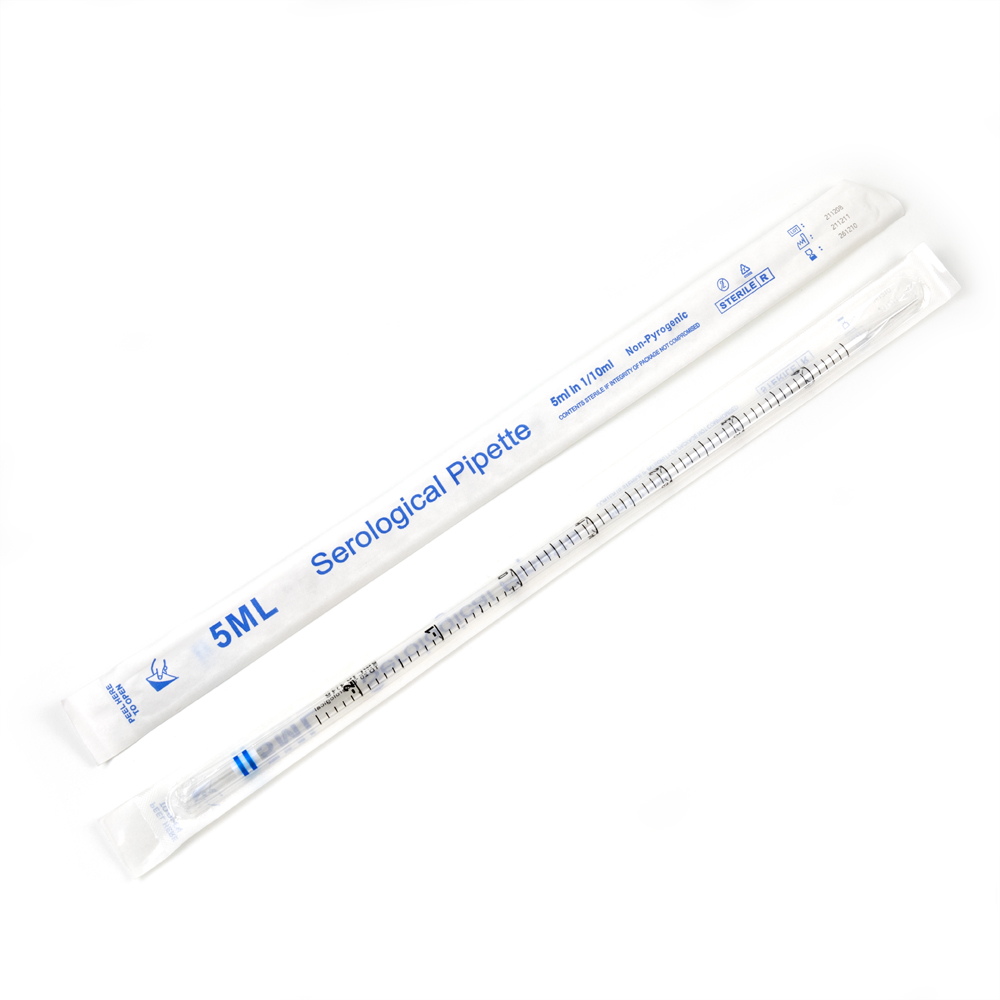
A graduated serological pipette is designed to accurately measure and transfer small volumes of liquids, typically for serological or immunological testing procedures. Some key features and uses: – Graduations: Have numeric graduations etched on the pipette, usually from 0.1 mL up to 1 mL in 0.01 mL increments. Allows accurate reading of the liquid volume. […]
Is the serological pipette graduated?
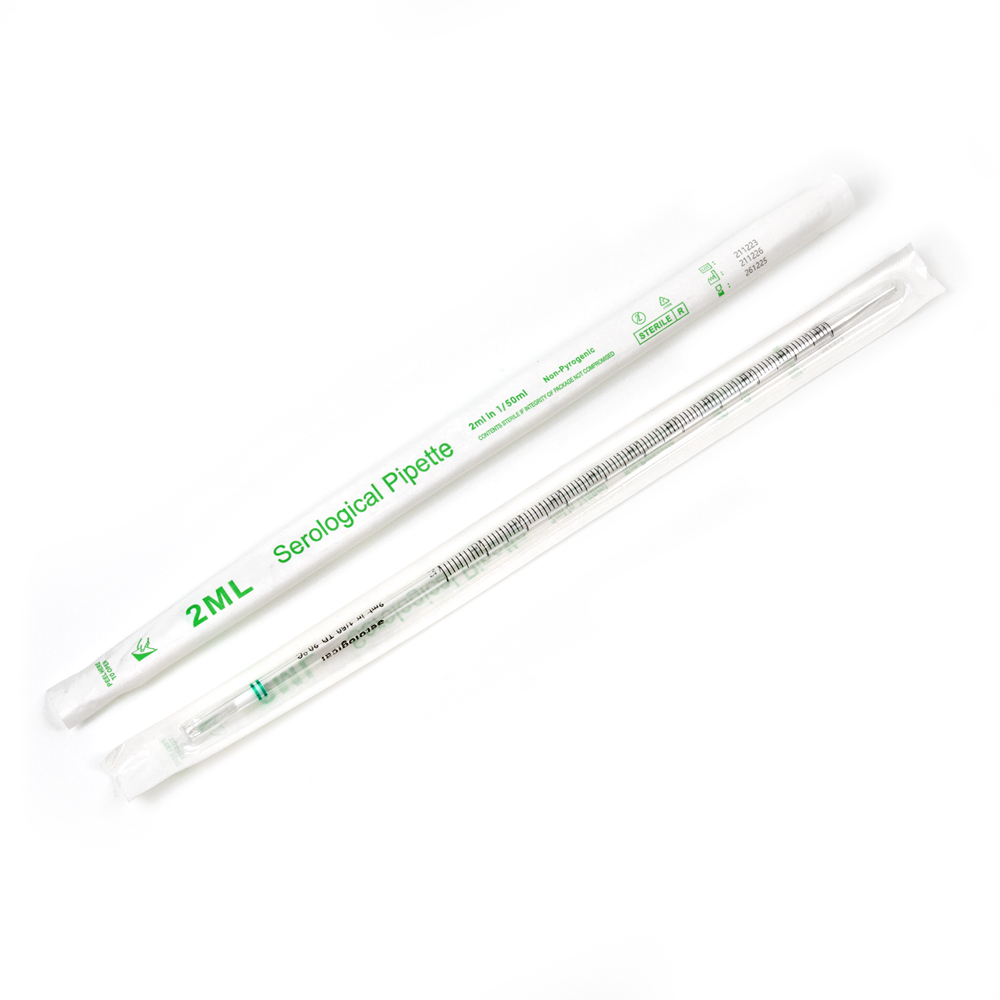
Yes, serological pipettes are graduated. The key differences are: – Graduation range: Serological pipettes typically have graduations from 0.1 mL up to 1 mL, designed for measuring small volumes. Graduated pipettes may have larger graduation ranges.- Graduation scale: The graduations on serological pipettes are more finely scaled, usually in increments of 0.01 mL. Graduated pipettes […]
What is the difference between a serological pipette and a graduated pipette?
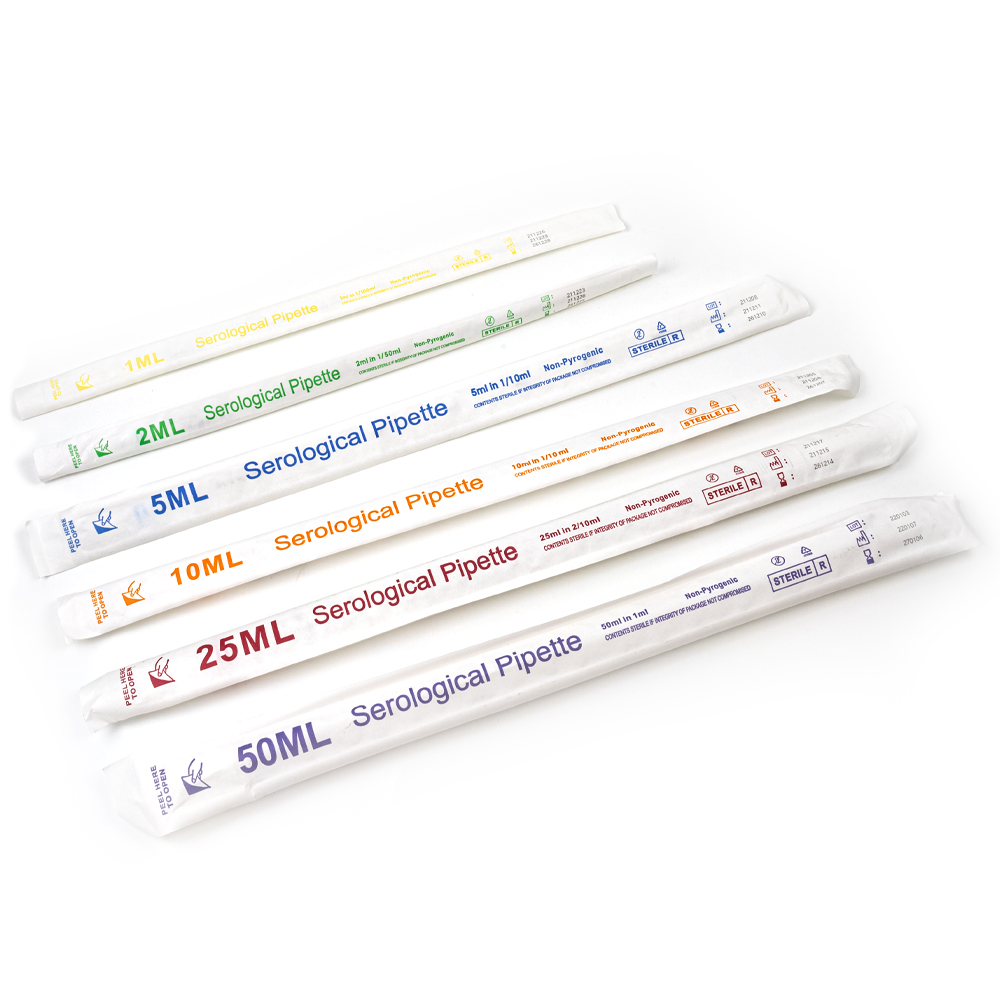
The main differences between serological pipettes and graduated pipettes are: – Use: Serological pipettes are used to transfer and measure small volumes of liquids, typically for immunological or serological testing. Graduated pipettes can transfer and measure a wider range of liquid volumes. – Graduations: Serological pipettes usually have graduations from 0.1 mL to 1 mL. […]
Can you reuse HPLC vials?
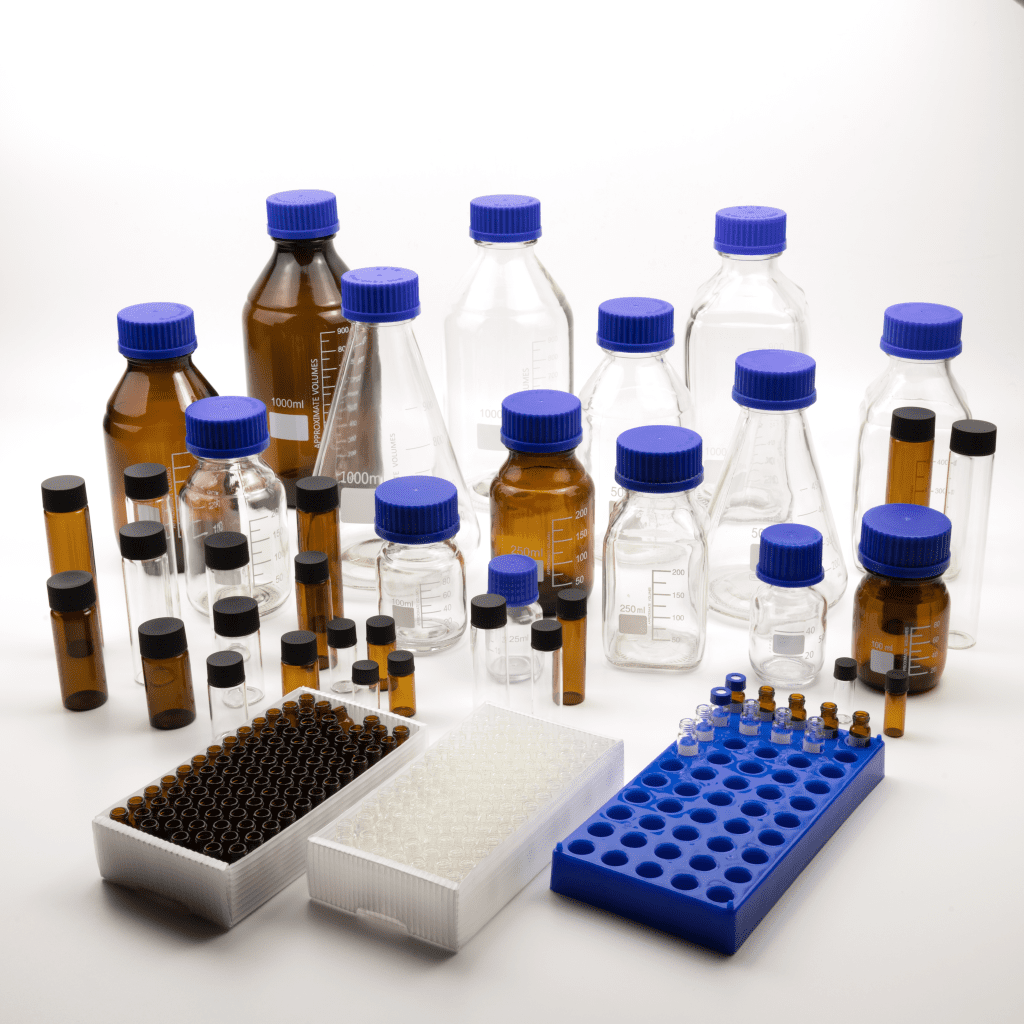
Yes, HPLC vials can be reused, but there are some important considerations: – Clean thoroughly – Used vials should be washed with solvent (often methanol) to completely remove any residue of the previous sample/mobile phase. This prevents cross-contamination. – Inspect for damage – Check vial and cap for cracks, scratches, or defects that could compromise […]
What is the standard HPLC vial size?
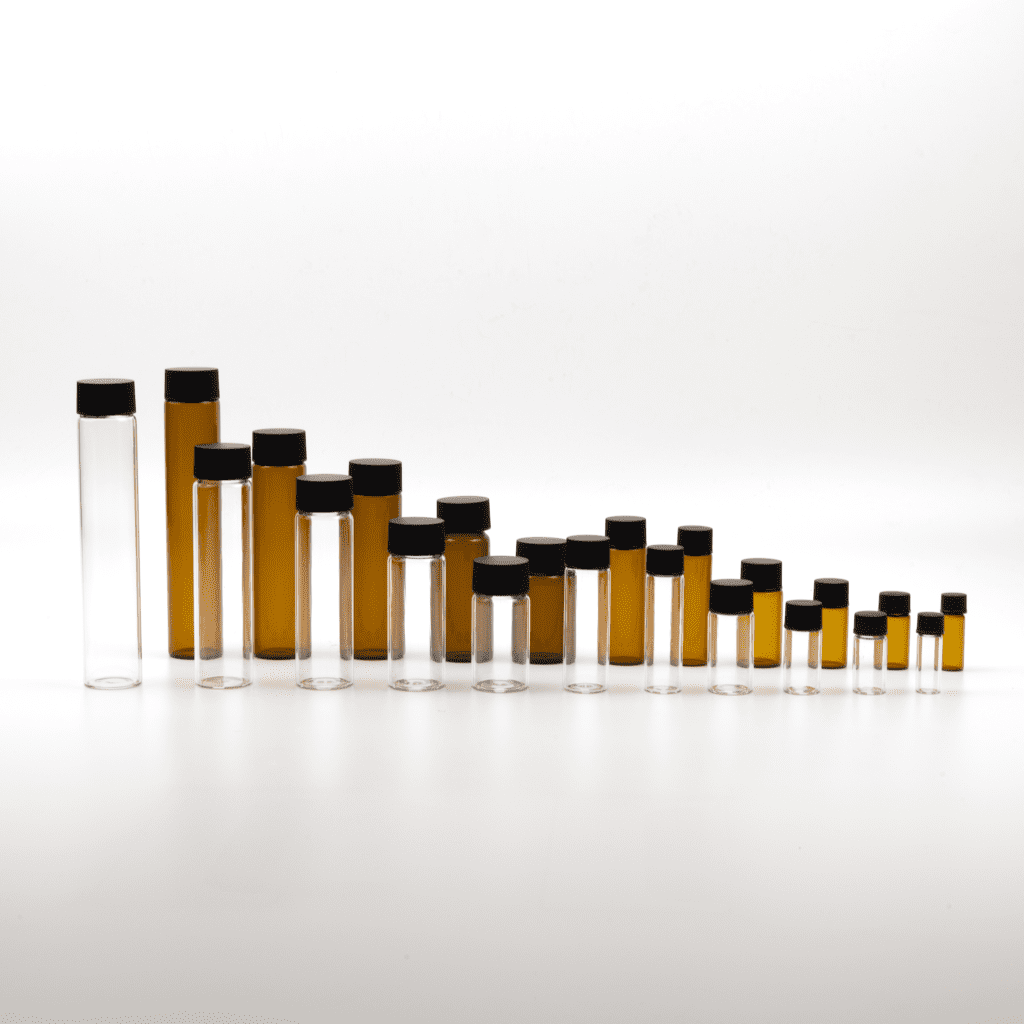
The most common and standard vial size used in HPLC is: – 2 mL The 2 mL vial size is a typical default for: – Autosampler vials – These small vials hold sample injections. A size of 2 mL is large enough for most injection volumes. – Standard vials – Reference standards are usually prepared […]
What color are HPLC vials?
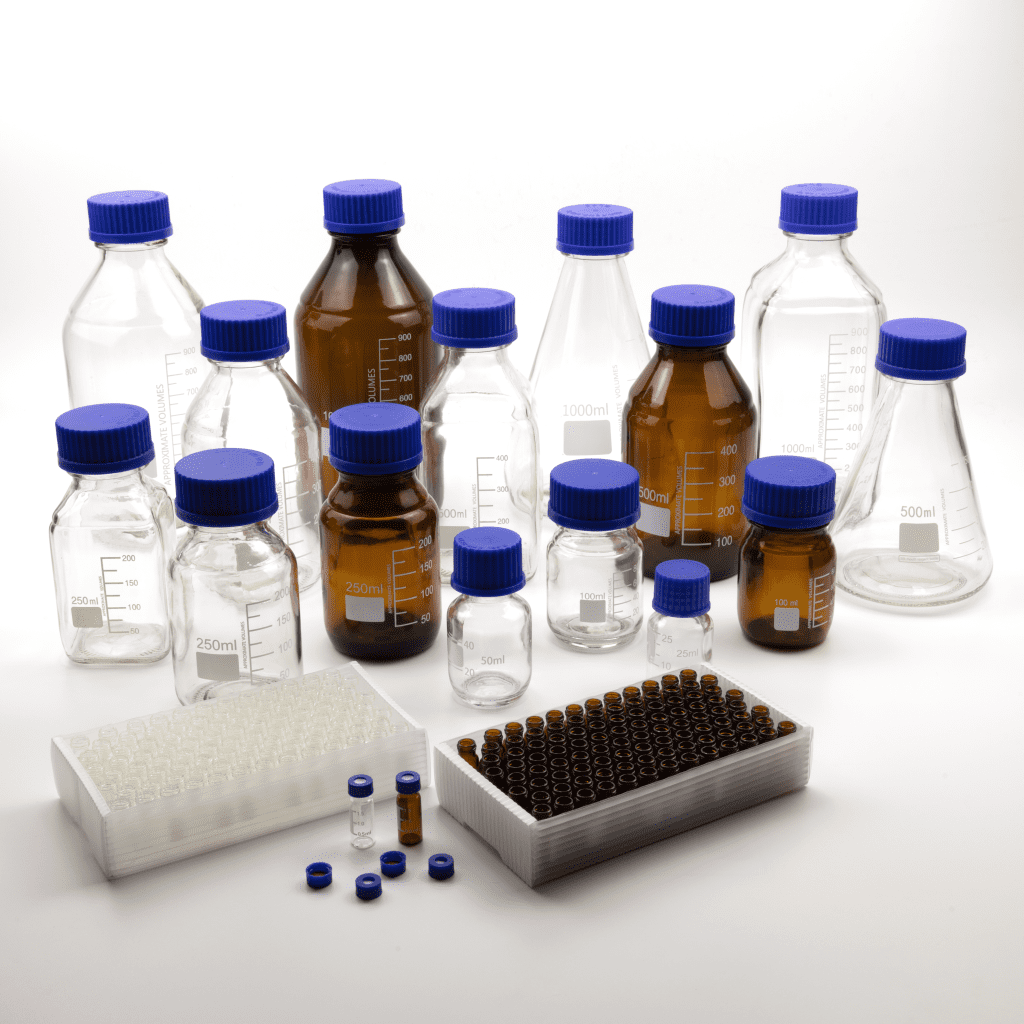
HPLC vials come in a variety of colors, including: – Clear/Colorless – The most common type. Allows visual inspection of contents. Made from glass or plastic. – Amber – Protects contents from light to prevent sample degradation. Often used for light-sensitive compounds. Glass or plastic. – Black – Completely opaque to protect from light. Used […]
What vials are used for HPLC?

HPLC or high-performance liquid chromatography is a chromatography technique that utilizes different vials and containers, including: – Autosampler vials – Small vials made of glass or plastic that hold samples for automatic injection into the HPLC system. They come in various volumes like 1.5 mL, 2 mL, etc. – Mobile phase reservoirs – Larger containers […]
What is the OpentronS pipette tip
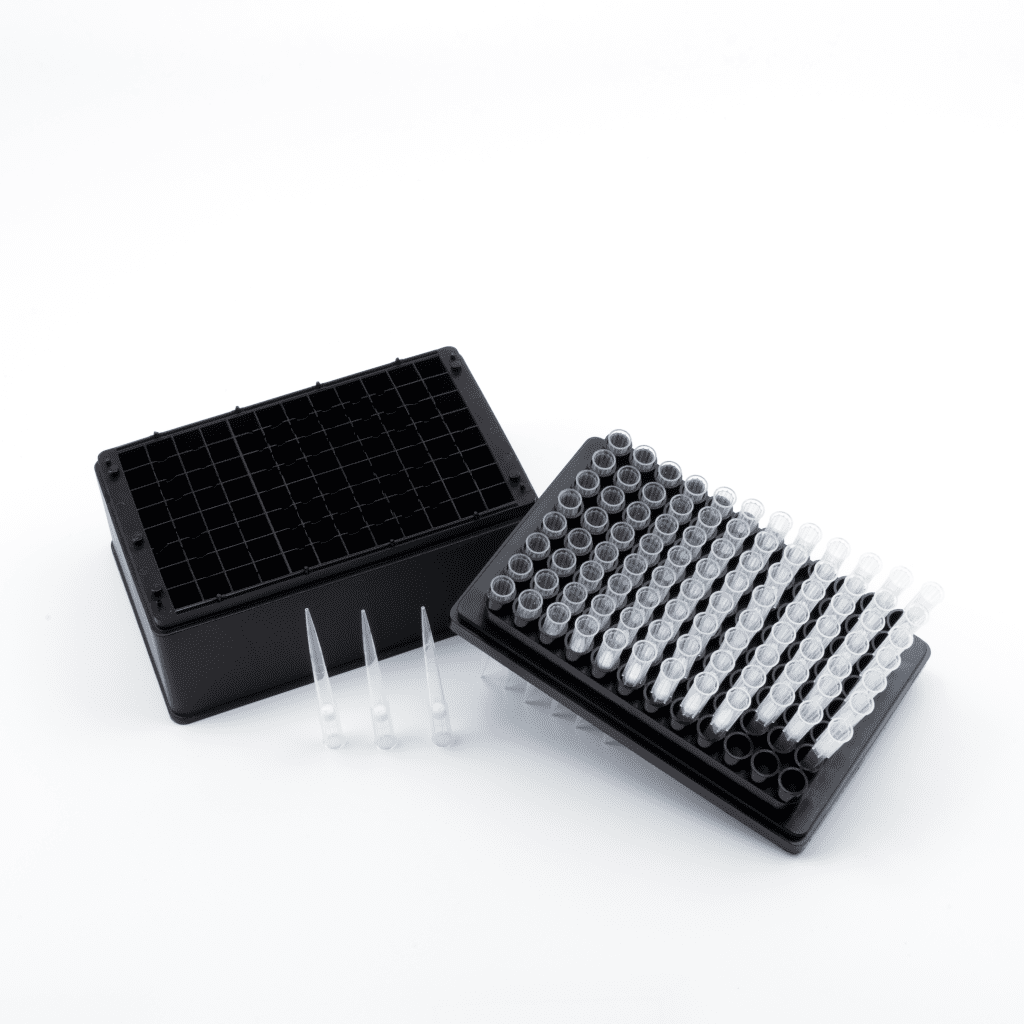
Here are a few key things to know about Opentrons pipette tips: – Opentrons make two main types of pipette tips – standard and PCR strip tips. Standard tips are used for most liquid handling protocols while PCR strip tips allow accessing wells in PCR strips and plates. – Tips come in different sizes like […]
What is the use of serological pipettes in hematology?
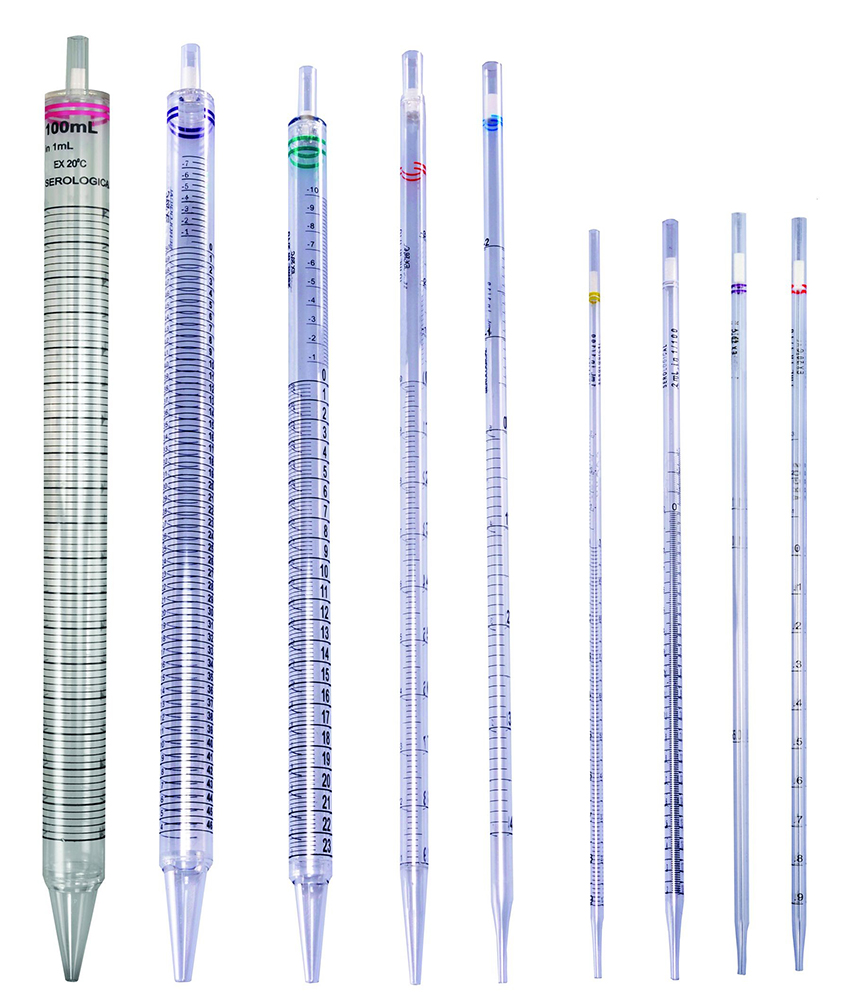
Serological pipettes have some important uses in hematology laboratories: – Diluting samples – They are commonly used to dilute blood samples and reagents for hematology testing. For example, diluting anticoagulated blood with a lysing solution when analyzing white blood cell differentials. – Mixing reagents – Serological pipettes are useful for measuring and mixing reagents for […]
What is the difference between a serological pipette and a micropipette?
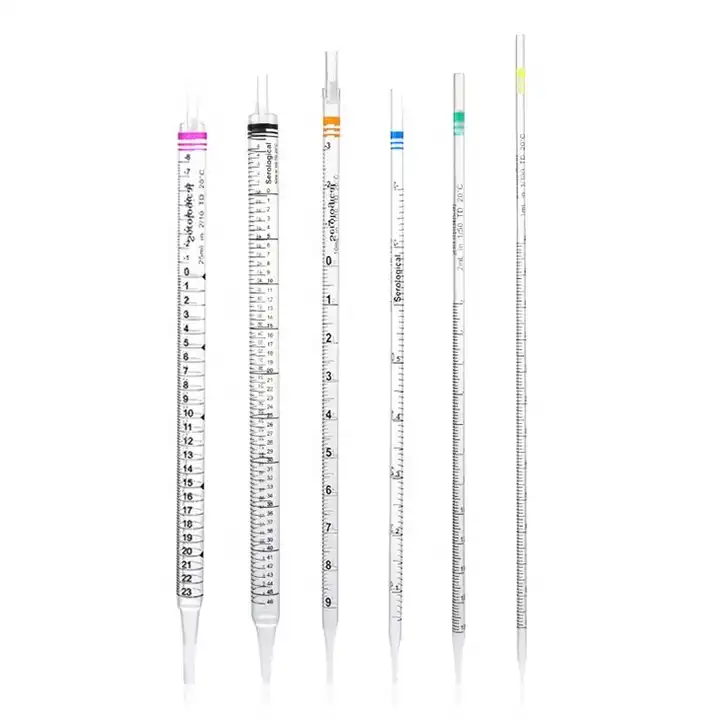
The main differences between serological pipettes and micropipettes are: – Volume range – Micropipettes are designed to measure and transfer very small volumes, from 0.1 μl up to 1000 μl. Serological pipettes measure larger volumes from 1-100 ml. – Accuracy and precision – Micropipettes are highly accurate and precise, with less than 1% error. Serological […]