
What tubes are used for PCR?

The most common tubes used for PCR (polymerase chain reaction) are: – Thin-walled PCR tubes made of polypropylene plastic – These are designed specifically for PCR as they have very thin walls to allow for efficient heat transfer during thermal cycling. They are available individually or in strips/plates. – 0.2 ml PCR tubes – One […]
What is the size of PCR tube?

PCR (polymerase chain reaction) tubes come in a variety of sizes, but some common sizes are: – 0.2 ml tubes – These are small thin-walled tubes that typically hold 20-50 μl reaction volumes. They are one of the most commonly used PCR tube sizes. – 0.5 ml tubes – Slightly larger tubes that hold 50-100 […]
What type of glass is used for microscope slides?
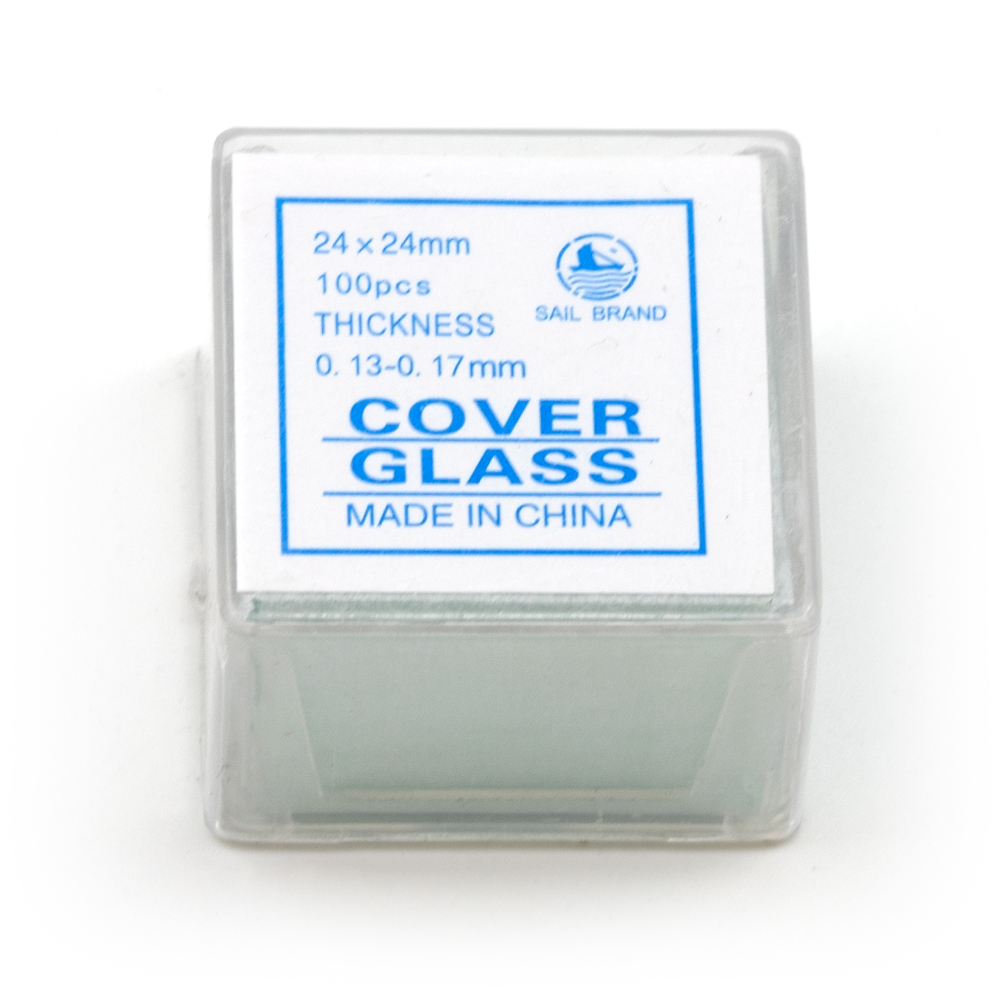
The glass used for microscope slides is specialized optical glass that provides certain important properties: – Optical clarity and low inclusion – The glass needs to be extremely clear and free of particles/inclusions that can interfere with the passage of light. High optical transmission is required. – Flatness – Microscope slide glass is made to […]
What is the cover glass used for?
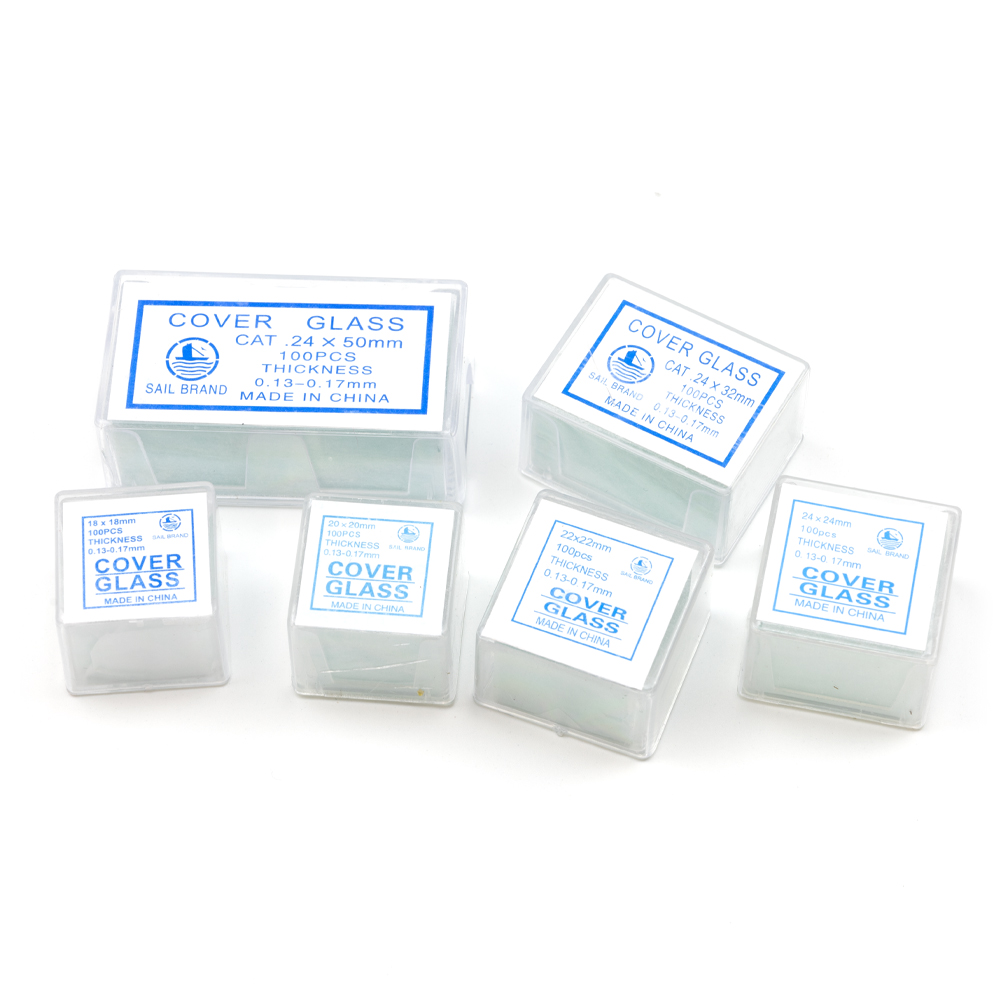
Micro cover glass has a few key uses in microscopy: – Protects the specimen on the slide from contamination, drying out, and physical damage during handling and observation. The cover glass sits directly on top of the sample. – Flattens the specimen and holds it firmly to the slide. This removes unevenness and makes the […]
What is micro cover glass?
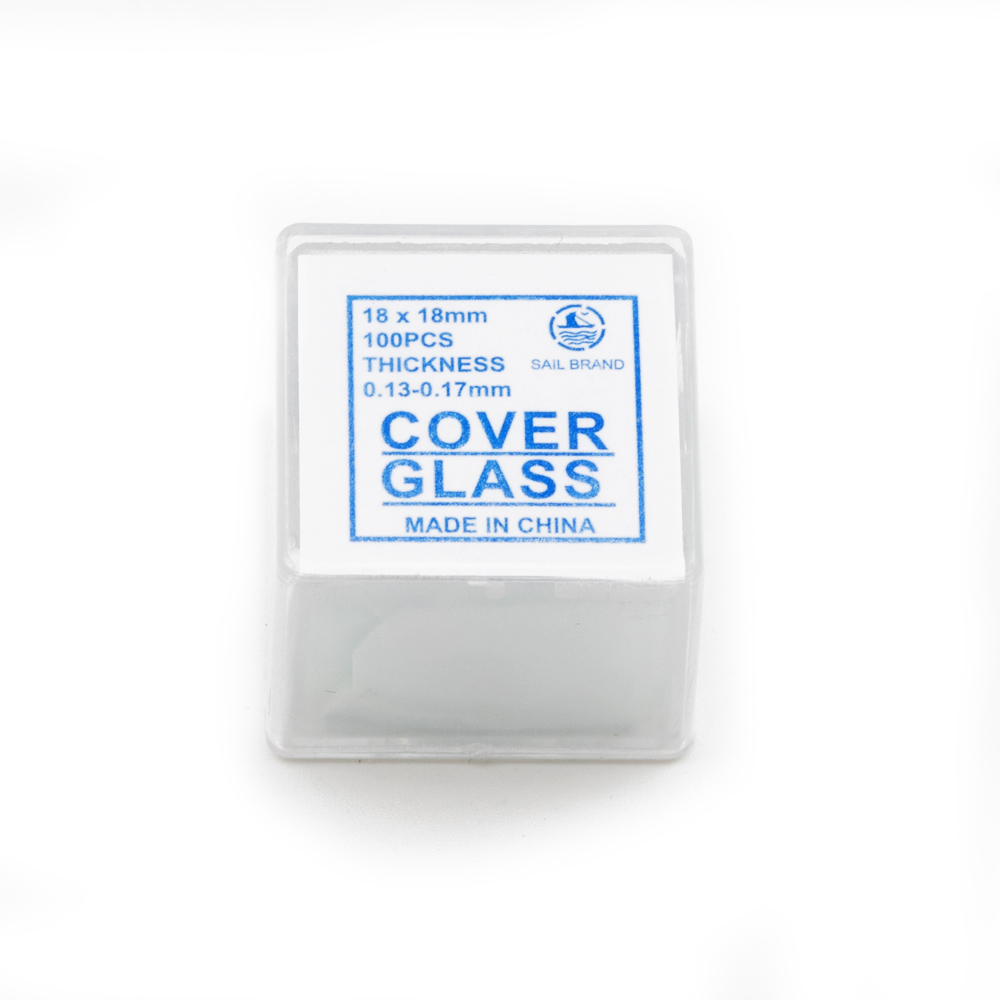
Micro cover glass, also known as microscope cover glass or microscope slides, are thin glass squares or rectangles used to cover specimen slides when viewing under a microscope. Some key features of micro cover glass: – Very thin, typically 0.13-0.17 mm thick. Allows light to pass through for microscopy. – Made of optical quality glass […]
What is the purpose of a deep well?
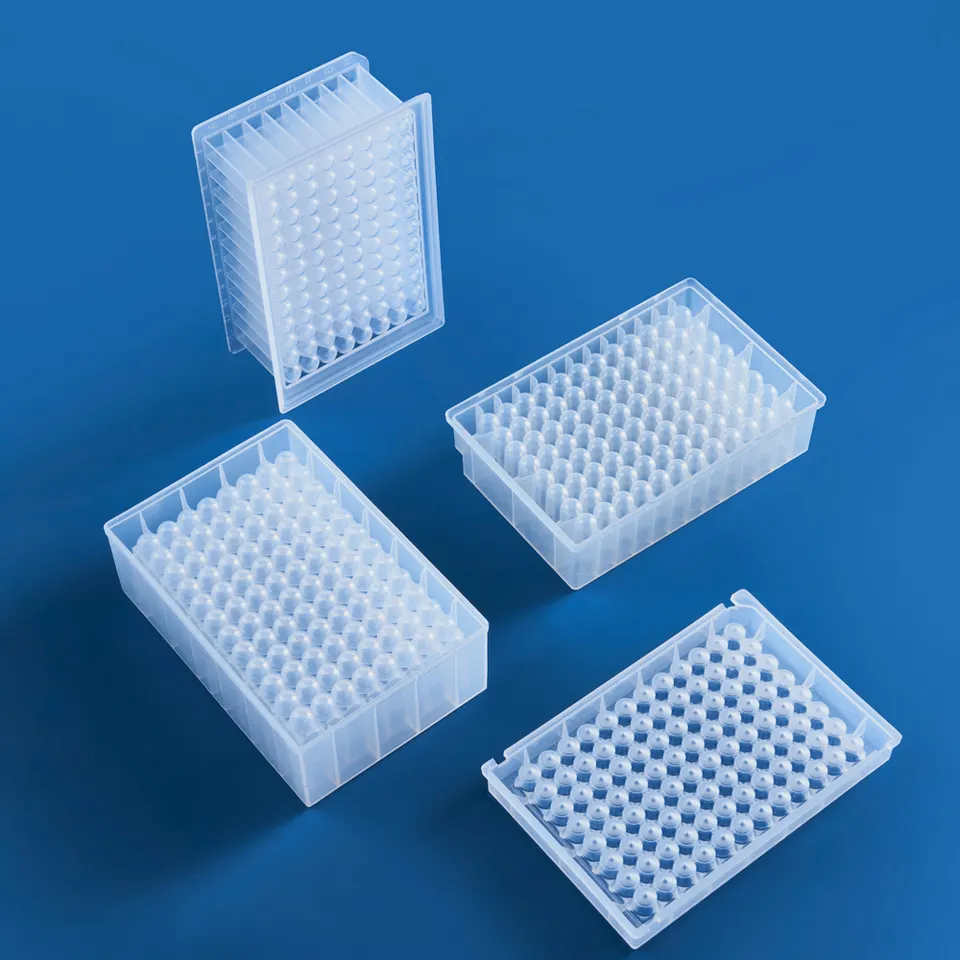
Deep wells in plates serve a few key purposes: – Allow for larger reaction volumes – The deeper wells enable volumes up to 2-5 mL to be used, compared to 0.2-0.5 mL in standard 96-well plates. This is useful for assays and reactions requiring more reagents. – Enable compound storage and screening – Deep wells […]
What are the different types of well plates?
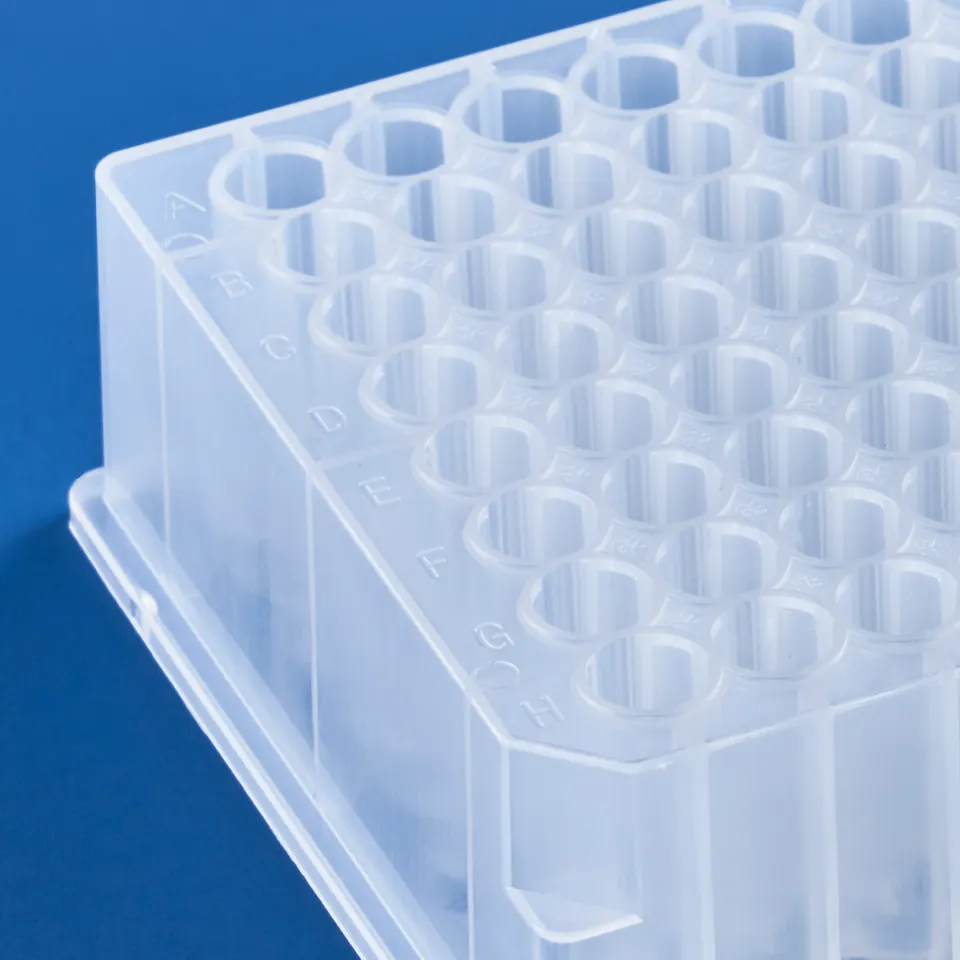
Here are some of the main types of well plates used in laboratory research: – 96-well plates – The standard plate with 96 wells arranged in 8 rows by 12 columns. Well, the depth is typically 0.5ml. Used for high-throughput applications like ELISA, PCR, and cell-based assays. – 384-well plates – Higher density plate with […]
How deep is a 24 well plate?
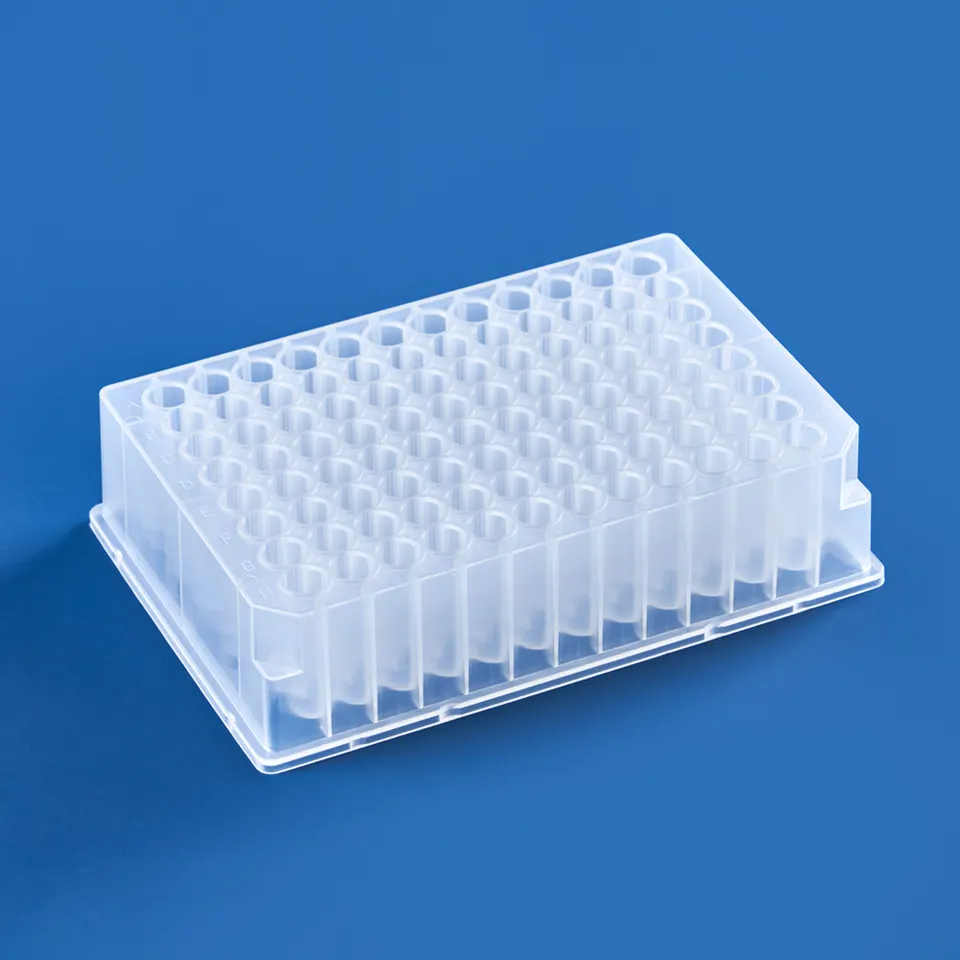
The depth of wells in a 24-well plate can vary between manufacturers and plate types, but typically: – Standard 24-well cell culture plates have well depths between 15-18 mm.- Deep well 24-well plates, designed for larger volumes, have well depths between 20-40 mm. – Shallow well 24-well plates may have depths around 10-15 mm. So […]
What is a deep well plate?
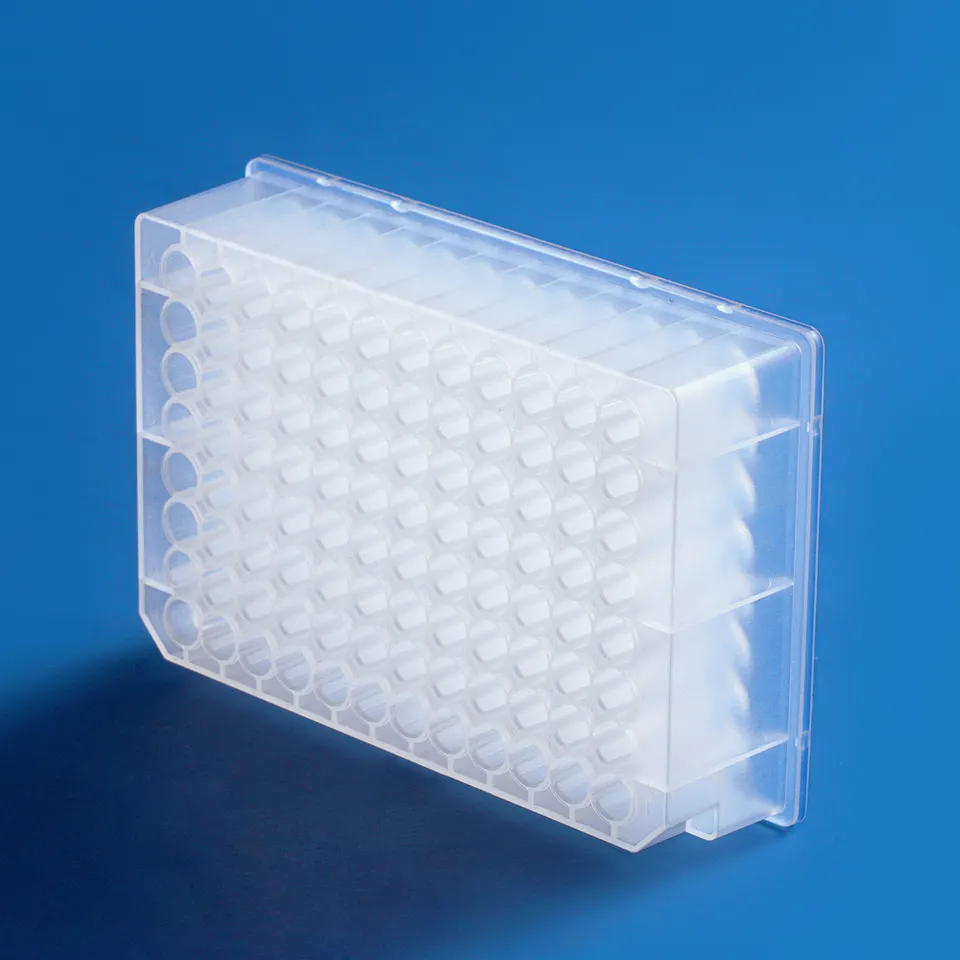
A deep well plate is a type of laboratory equipment used for various biochemical assays and procedures. Some key features of deep well plates: – They are plastic plates that contain multiple small wells, similar to a standard 96-well plate used for PCR or ELISA assays. However, the wells in deep well plates are much […]
Are cryovials polypropylene?
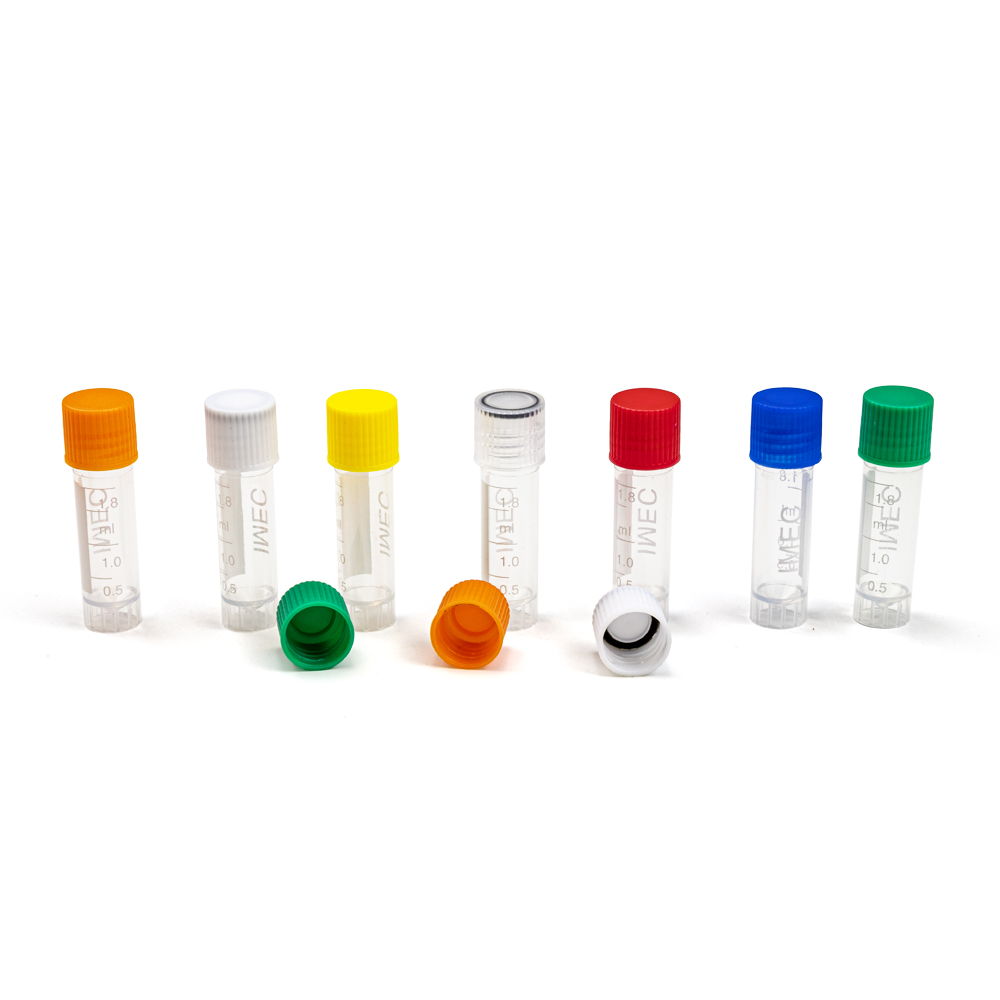
Yes, polypropylene is one of the most common plastic materials used to make cryovials. Some key reasons why polypropylene is well-suited for cryovials are: – Temperature resistance – Polypropylene has excellent low-temperature resilience and does not become brittle even at temperatures as low as -196°C (liquid nitrogen temperature). This makes it ideal for ultra-low temperature […]