Understanding surface chemistry is essential for optimizing cellular attachment, proliferation, and experimental reproducibility in life science research. Choosing the correct vessel surface directly determines whether cells establish healthy morphology or experience unexpected detachment. As a premier cell culture vessel manufacturer, Puretest delivers specialized laboratory consumables designed to maintain rigorous standards across adherent cell culture applications.
Introduction to Cell Culture Surface Chemistry
Advanced cell culture surface treatment transforms standard hydrophobic polymers into optimized microenvironments for biological research. The chemical characteristics of the vessel surface govern the immediate interaction between cell membrane receptors and the underlying substrate, making effective cell attachment possible.
The Role of Hydrophilic Surface Modification in Cell Adhesion
Plasma surface treatment adds oxygen groups to polystyrene. This raises surface free energy and turns hydrophobic polystyrene into hydrophilic polystyrene. The tissue culture-treated surface then supports firm binding along with steady cell adhesion.
- Chemical Grafting: Vacuum plasma surface treatment places negatively charged carboxyl and hydroxyl groups onto the polystyrene matrix.
- Wettability Enhancement: Untreated polystyrene shows a water contact angle near 90°. A tissue culture-treated surface lowers the angle to 10°–30°. This helps liquids spread and improves early cell attachment.
- Biomolecular Anchoring: Higher surface energy lets key extracellular matrix proteins such as fibronectin and vitronectin settle in shapes that suit adherent cell culture.
Technical Differences Between TC-Treated and Non-Treated Surfaces
To see how surface changes affect cells, it helps to check details at the microscopic level. These details shape cell behavior in practice. A side-by-side look at TC-treated vs non-treated cell culture reveals how small molecular shifts influence culture results over time.
Surface Charge Density and Functional Group Density
The number of functional groups on a surface sets the strength of charge interactions at the contact point with cells. Lab tests pick up clear chemical contrasts between treated and untreated vessels in routine checks.
- Negative Charge Concentration: TC-treated vessels carry a high density of net negative charges from cell culture surface treatment. These charges link with divalent cations (Ca2+, Mg2+) in the medium and support cell adhesion.
- Non-Treated Neutrality: Non-treated vessels keep a neutral, non-polar surface. This limits ionic links with serum proteins.
Protein Binding Capacity and ECM Adsorption
Proteins from the extracellular matrix connect cells to the surface through integrins. Surface chemistry controls the amount of protein that binds to the material. In lab settings, this binding step often decides how well cells settle and spread.
- High-Affinity Adsorption: TC-treated surfaces hold 3 to 4 times more serum proteins per square centimeter than non-treated surfaces.
- Conformational Retention: Hydrophilic surfaces keep proteins from unfolding. This maintains the sites that integrins need for recognition in adherent cell culture.
Cell Attachment Efficiency and Growth Kinetics
How fast cells stick and then multiply depends on the first contact with the surface. Tests show clear differences in final cell numbers across vessel types. These patterns appear consistently in standard culture work.
- Rapid Initial Attachment: Primary adherent cells plated on a TC-treated cell culture dish achieve over 90% attachment within 2 to 4 hours post-seeding.
- Proliferation Rates: Adherent cells cultured on TC-treated substrates show shorter doubling times than those on untreated surfaces, leading to higher cell counts at confluence.
Selection Guide for Cell Culture Vessels
Selecting between TC-treated vs non-treated cell culture vessels requires matching vessel surface characteristics with specific cell line properties and experimental objectives.
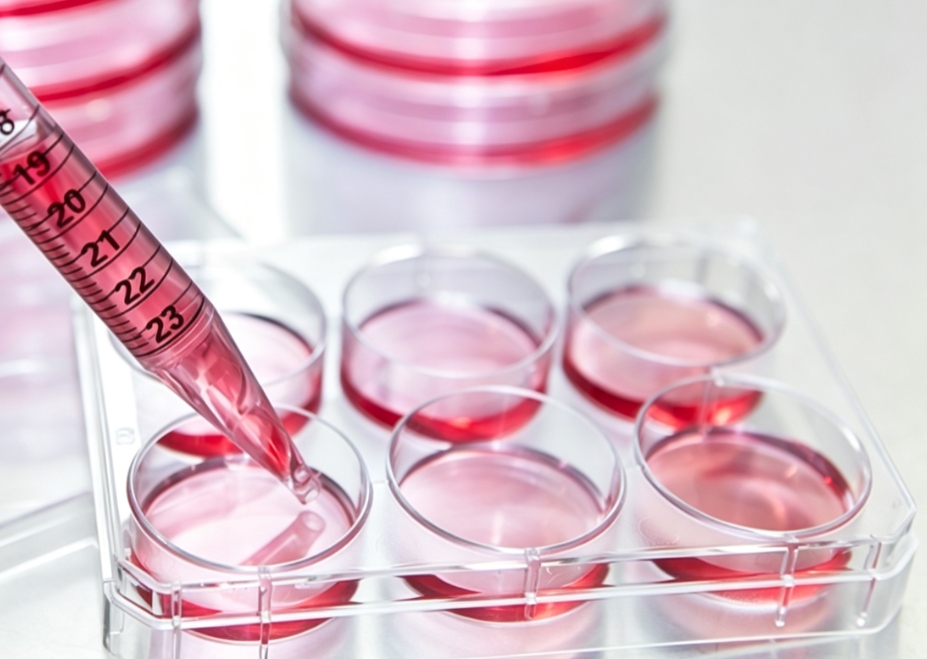
Optimal Applications for TC-Treated Vessels
TC-treated labware is required for anchorage-dependent cell lines that depend on solid substrate attachment for survival and signaling. Applying the correct vessel format solves specific workflow challenges in adherent cell culture:
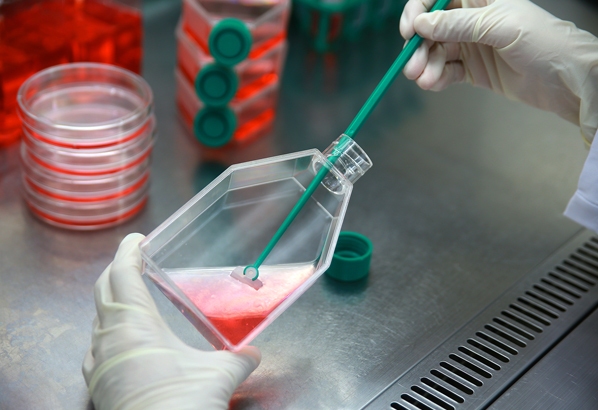
- TC-Treated Cell Culture Flask: Solves the challenge of accidental cell detachment during long-term passage and expansion of sensitive cells like HEK293, HeLa, or primary human fibroblasts.
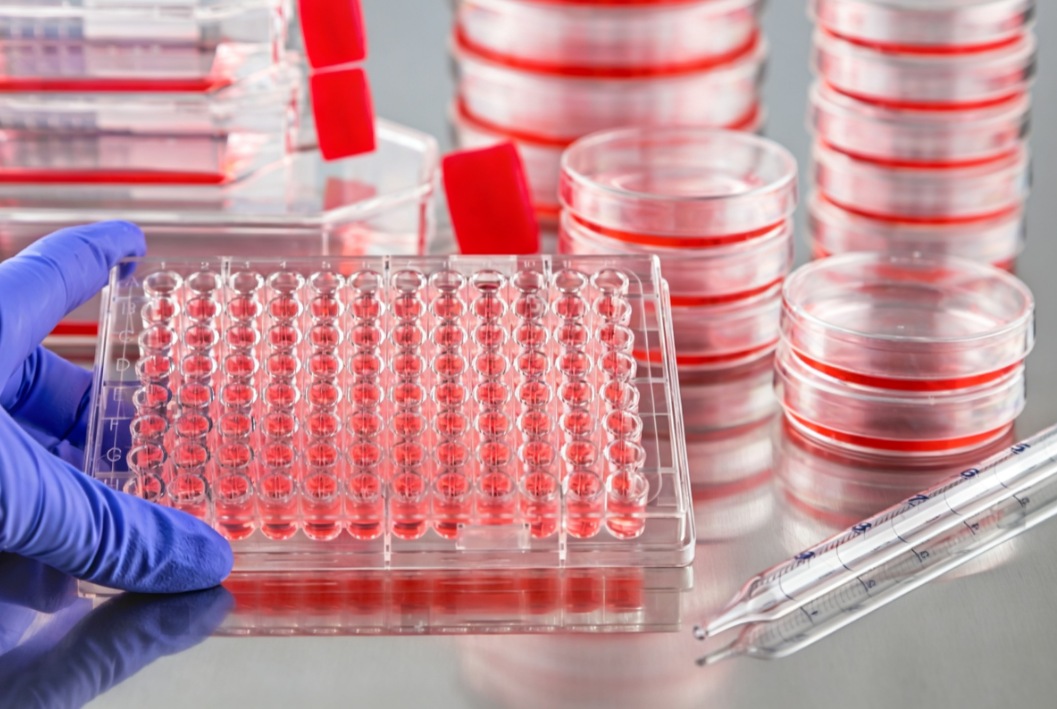
- TC-Treated Cell Culture Plate: Ideal for high-throughput screening, fluorescence assays, and drug toxicity assays where consistent monolayer uniformity across all wells is mandatory.
- TC-treated Cell Culture Dish: Solves the problem of difficult cell harvest and observation during short-term microscopic monitoring or stem cell colony isolation.
Practical Scenarios for Non-Treated Vessels
Non-treated hydrophobic vessels—such as a non-treated cell culture flask, non-treated cell culture plate, or non-treated cell culture dish—are engineered to prevent cell adhesion and keep cells suspended in medium:
- Suspension Cultures: A non-treated cell culture flask or non-treated cell culture dish is perfect for non-adherent cell lines such as hybridomas, lymphocytes, and suspension-adapted CHO cells.
- 3D Spheroids and Embryoid Bodies: Utilizing a non-treated cell culture plate prevents stem cells from adhering to vessel walls, forcing cells to aggregate into uniform three-dimensional embryoid bodies.
- Serum-Free Applications: A non-treated cell culture flask or non-treated cell culture plate is ideal when culturing cells in serum-free conditions where sticky hydrophobic attachment must be avoided completely.
The Puretest Advantage in Vacuum-Plasma Surface Treatment
As a leading cell culture vessels manufacturer, Puretest utilizes state-of-the-art vacuum-plasma surface treatment technology to deliver exceptional batch-to-batch consistency for global biomedical research.
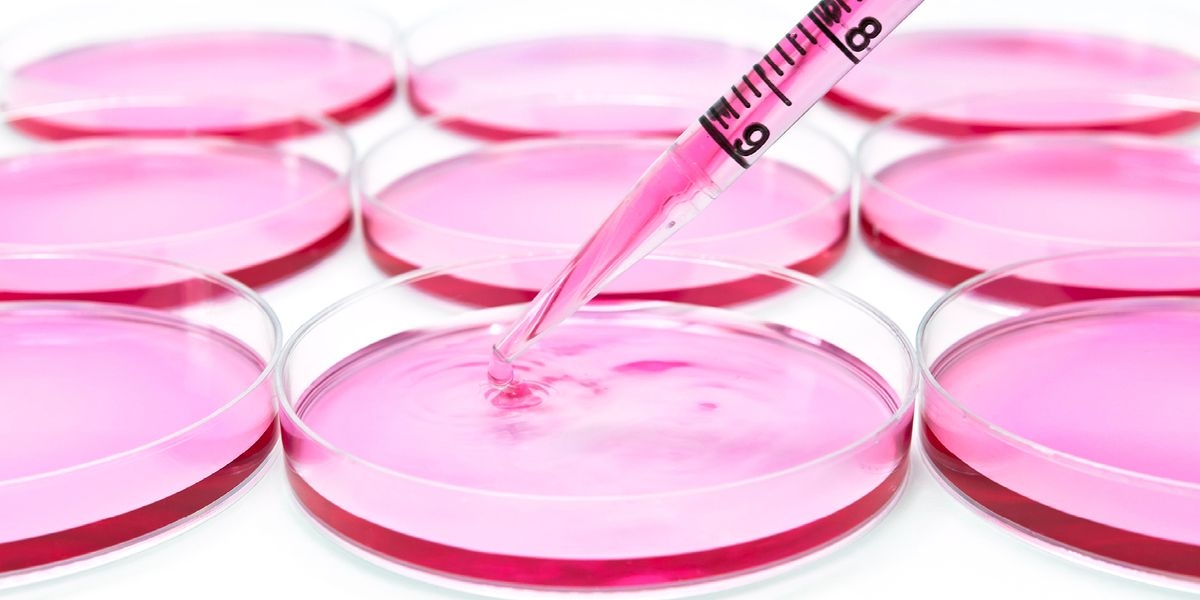
High-Uniformity Surface Treatment Technology
Puretest eliminates variability in surface modification through automated manufacturing controls. Every production lot undergoes strict quality verification to guarantee dependable results:
- Uniform Gas Ionization: Our proprietary vacuum-plasma chamber ensures 360-degree equal exposure across every square millimeter of internal vessel surface.
- Zero Edge-Effect Variation: Well-to-well consistency in cell attachment efficiency avoids performance drop-offs near plate borders.
- Sterile & Contaminant-Free: Manufactured in Class 100K cleanrooms, certified free of Pyrogens, DNase, RNase, and Human DNA.
Precision-Engineered Puretest Cell Culture Products
Puretest offers a comprehensive portfolio of high-performance labware built to solve daily cell culture bottlenecks:
- Puretest TC Treated Cell Culture Flask: Features 0.2-micron hydrophobic vent caps for continuous gas exchange without contamination risks, alongside clear graduation marks for precise volume tracking. (Also available as a standard cell culture flask option for specific laboratory requirements).
- Puretest TC Treated Cell Culture Plate: Designed with anti-evaporation lid rings and ultra-clear optical flat bottoms to eliminate edge effects and maximize clarity under high-magnification microscopy. (Available across our full line of cell culture plate formats).
- Puretest TC Treated Cell Culture Dish: Built with an ergonomic wave-ring outer rim for secure gripping during transport, solving accidental spill risks in humidified incubators. (Explore our complete cell culture dish catalog for various surface treatment specifications).
Ready to Upgrade Your Cell Culture Consistency?
Optimize your adherent cell culture yields and eliminate batch variation with medical-grade cell culture vessels from Puretest.
[Contact Puretest Today for Samples & Custom Bulk Quotes]
FAQ
Q: What is the main difference between TC-treated and non-treated cell culture surfaces?
A: TC-treated surfaces receive plasma surface treatment that turns polystyrene hydrophilic. Cells then attach and adhere more readily. Non-treated surfaces stay hydrophobic. They suit suspension cell culture without extra sticking.
Q: Can non-adherent cells grow in a TC-treated cell culture flask?
A: Suspension cells can grow in a TC-treated cell culture flask. Weak attachment to the tissue culture-treated surface often occurs, though. This makes harvesting harder and lowers recovery yield. A non-treated cell culture flask works better in these cases.
Q: How does cell culture surface treatment impact protein binding and cell adhesion kinetics?
A: Plasma surface treatment raises surface free energy on hydrophilic polystyrene. ECM proteins adsorb more easily as a result. Initial cell attachment speeds up, and proliferation rates rise in adherent cell culture.
Q: Do TC-treated surfaces degrade or expire over time?
A: Puretest produces high-quality vacuum-plasma-treated vessels. Stored in cool, dry conditions away from direct light, these keep stable surface energy and cell adhesion efficiency for up to five years.