The Invisible Saboteurs in Cell Culture
While routine contamination screening focuses primarily on bacteria, fungi, and mycoplasma, many experimental failures also arise from overlooked non-biological cell culture contamination sources associated with laboratory consumables. Poor-quality cell culture plasticware can introduce chemical, physical, or surface-related variables that alter cell behavior even when no visible microbial contamination is present.
Unmasking Non-Biological & Sub-Lethal Contamination
To ensure strict experimental reproducibility, biomedical researchers must audit the hidden physical and chemical properties of their daily cell culture vessels and consider potential cell culture contamination from plasticware.
- Unexplained morphology changes and reduced cell proliferation rates without visible cloudiness.
- Erratic baseline noise and high signal variation in fluorometric high-throughput screening.
- Premature stem cell differentiation triggered by trace chemical contaminants.
- Wasted high-value media, growth factors, and expensive assay reagents caused by undetected cell culture contamination.
Puretest: Precision Engineering for Contamination-Free Cell Culture
To reduce hidden micro-environmental variables, research laboratories require standardized consumables engineered specifically for critical biomedical workflows.
- Brand leadership: Puretest is a professional cell culture plasticware manufacturer providing integrated biological consumable solutions.
- Manufacturing excellence: Operating ISO 13485-compliant facilities with controlled cleanroom production, Puretest manufactures sterile cell culture plasticware designed to support experimental consistency and sample integrity.
The 7 Hidden Plasticware Factors Driving Cell Culture Contamination
Understanding the physical and chemical mechanisms behind cell culture contamination from plasticware enables laboratories to identify less obvious cell culture contamination sources and establish more effective quality standards.

1. Endotoxin Leaching & Pyrogen Burden
Bacterial lipopolysaccharides (LPS) can stick to surfaces. This happens even when products pass basic bacterial checks.
- Biological impact:Endotoxin contamination in cell culture can set off unneeded inflammatory signals. It shifts cell behavior and disrupts work with primary cells or stem cells.
- Quality solution: Certified pyrogen-free cell culture plasticware with listed endotoxin limits cuts this source of cell culture contamination.
2. Non-Uniform Tissue Culture (TC) Surface Treatment
Uneven surface changes may result in varying energy levels and water-repelling patches on the culture vessels.
- Biological impact: Poor TC treatment consistency can cause uneven cell attachment. It may also lead to localized detachment, variable proliferation, and apparent cell culture plate contamination artifacts.
- Quality solution: Controlled surface-treatment processes help maintain consistent hydrophilicity across cell culture plasticware. This supports more homogeneous cell monolayer growth.
3. Plastic Extractables & Leachables (E&L)
Some leftover monomers, processing aids, mold-release agents, and similar substances can move from the plastic into the culture media over time.
- Biological impact: Cell culture plastic extractables can interfere with enzyme activity. They may also disrupt cell proliferation, receptor signaling, gene expression, or analytical readouts.
- Quality solution: Controlled raw materials and validated cell culture plasticware reduce extra chemical contact during extended cell culture periods.
4. Defective Hydrophobic Vent Cap Membranes
Substandard vent filters with inconsistent pore structure may suffer from moisture wetting, reduced gas exchange, or liquid bridging.
- Biological impact: Poor gas permeability can alter culture conditions, while compromised vent performance may increase the risk of cell culture flask contamination during handling or incubation.
- Quality solution: A properly designed filtered vent cap cell culture flask uses a hydrophobic membrane to support gas exchange while providing an additional physical barrier against contaminants.
5. Well-to-Well Cross-Contamination & Edge Effects
Microplate well rims and lid shapes that are not well designed can let aerosols move between wells. They may also cause condensation to shift or lead to too much evaporation.
- Biological impact: Media loss and liquid transfer between neighboring wells can contribute to cell culture plate cross-contamination. Edge effects can alter osmolarity and introduce assay variability at the same time.
- Quality solution: Multi-well cell culture plasticware with raised rims and fitting lids helps reduce evaporation. It also lowers the risk of cell culture plate contamination.
6. Degradation of DNase/RNase Integrity
Small traces of nuclease on plastic surfaces can harm later molecular tests. This occurs even when cell cultures still look healthy under the microscope.
- Biological impact: Nuclease residues break down RNA or DNA during sample collection and handling. The outcome appears as uneven results in qPCR, sequencing, or other molecular assays.
- Quality solution: Certified DNase- and RNase-free plasticware supports nucleic acid integrity in steps that combine cell culture with molecular analysis.
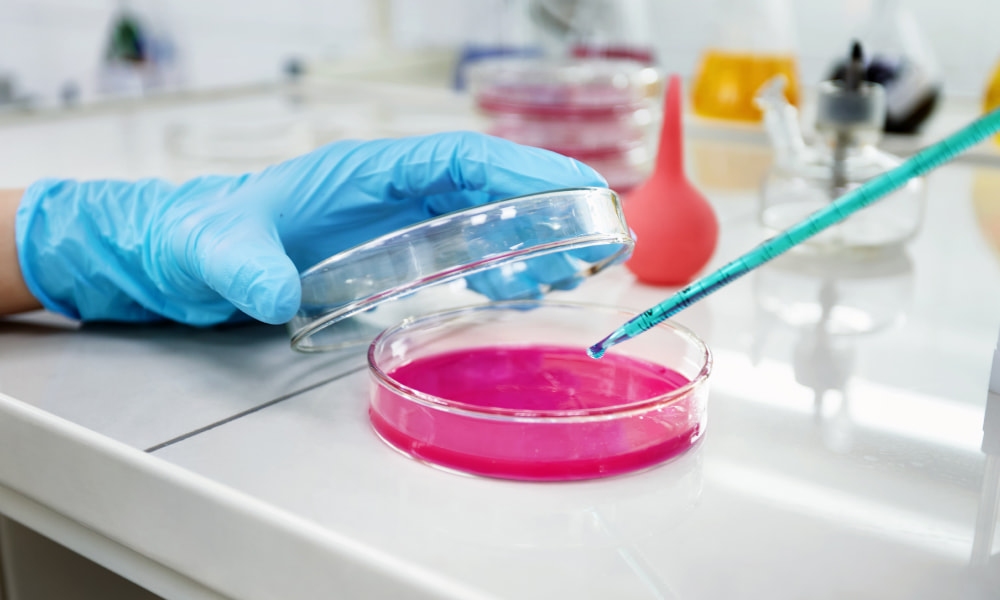
7. Static Charge & Particulate Accumulation
Electrostatic charges build up on plastic surfaces. They draw in fibers, dust, and tiny particles during manufacturing, packaging, or handling.
- Biological impact: These particles can disrupt automated imaging, cell counting, microscopy, or delicate analytical steps. They may become overlooked cell culture contamination sources.
- Quality solution: Controlled manufacturing and clean packaging help keep sterile cell culture plasticware free from unnecessary particulate contamination.
How Precision Plasticware Solves Lab Failures
Deploying well-controlled sterile cell culture plasticware can reduce persistent assay anomalies associated with chemical residues, inconsistent surfaces, particulate contamination, and poor vessel design.
Solving Workflow Challenges in Stem Cell, Immunotherapy, and Screening Assays
Matching specialized consumable specifications to specific protocols helps reduce preventable experimental failures.
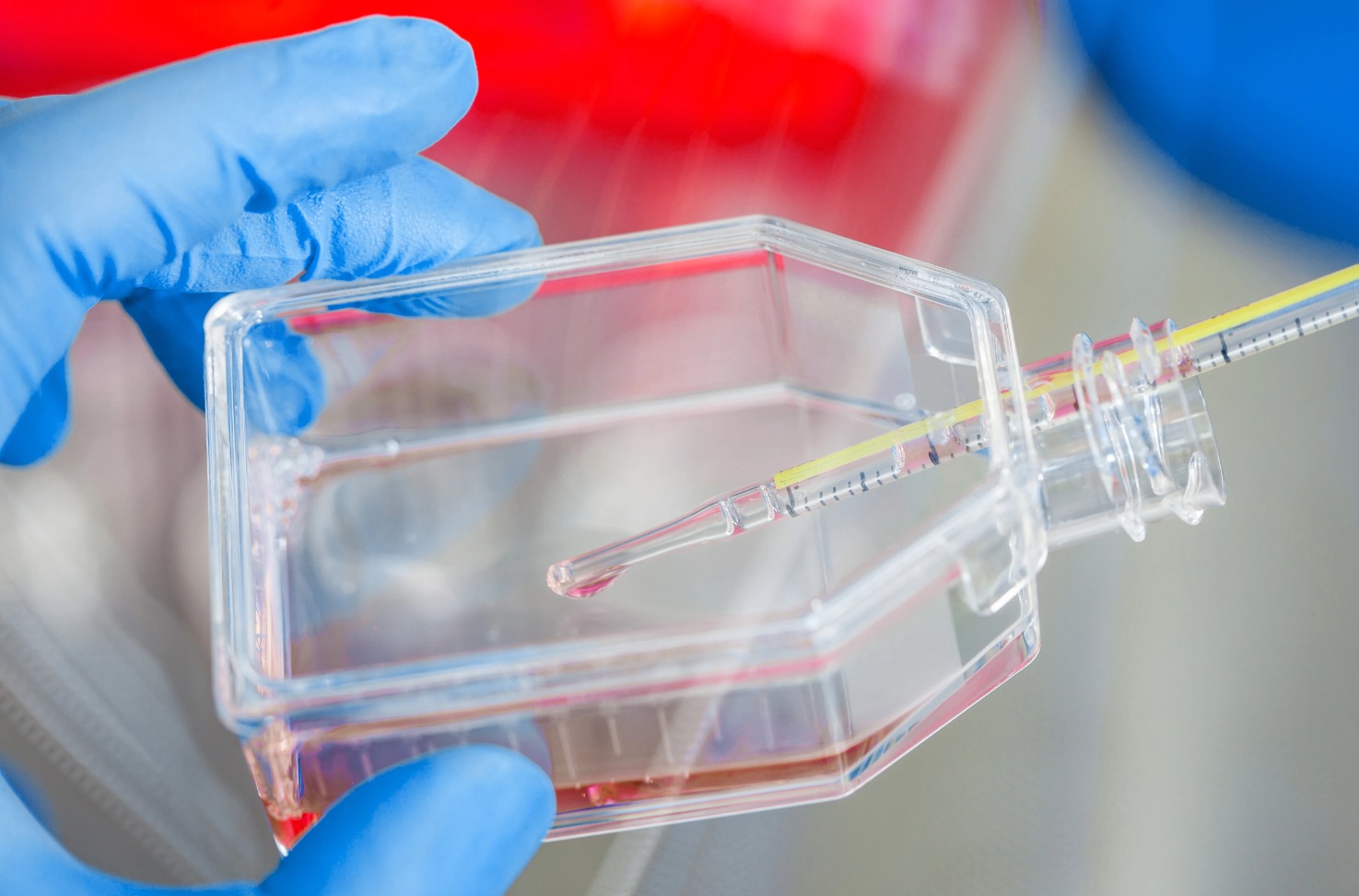
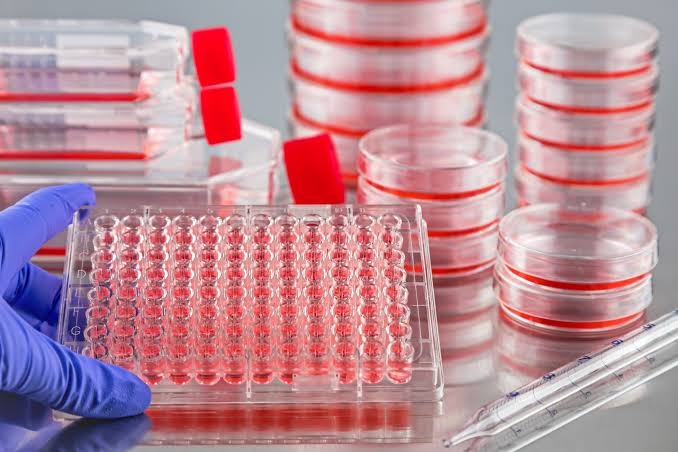
- Primary Stem Cell Expansion: Puretest T25, T75, and T175 filtered vent cap cell culture flask options support controlled gas exchange and help reduce risks associated with cell culture flask contamination.
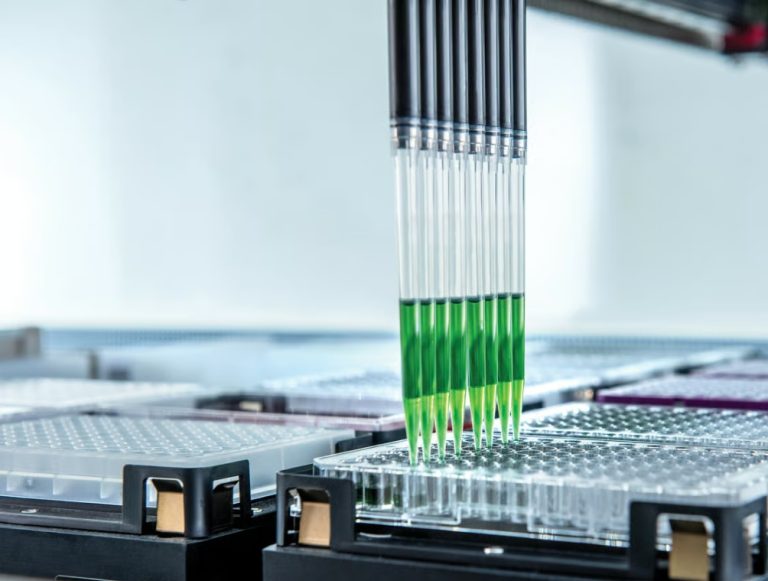
- High-Throughput Fluorometric Screening: Puretest TC-treated multi-well cell culture plates support consistent attachment and help reduce cell culture plate cross-contamination and edge-related variability.
- Cryopreservation & Biobanking: Puretest cryovials and cryogenic tubes support secure cell storage and help reduce contamination risks during low-temperature workflows.
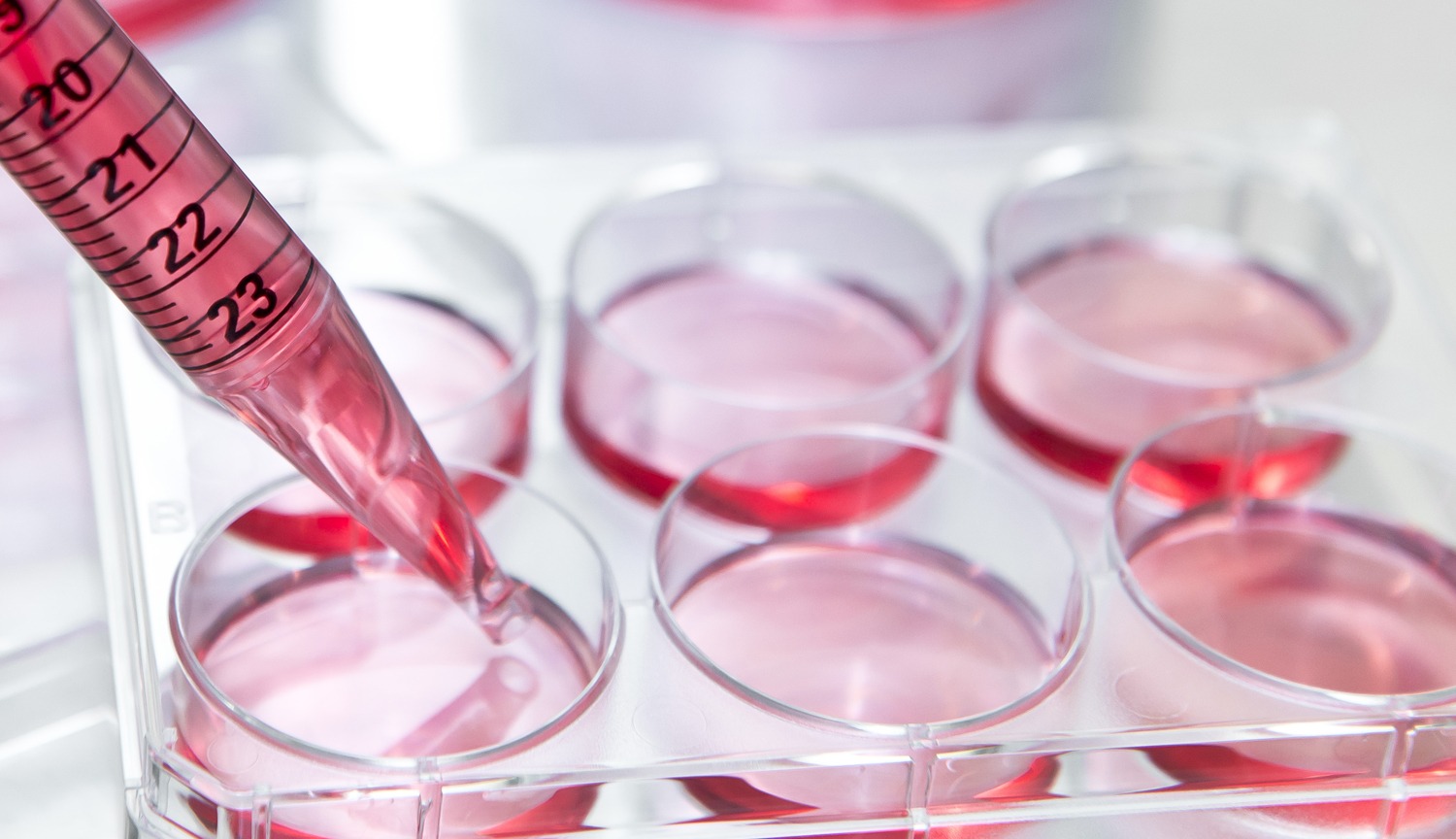
- Liquid Handling Integrity: Puretest pipette tips and serological pipettes support controlled liquid transfer during media changes and sub-culturing, helping limit avoidable cell culture contamination.
Elevate Your Cell Culture Standards
Eliminating hidden cell culture contamination requires looking beyond microbial screening and evaluating the chemical cleanliness, surface treatment, particulate control, and design quality of laboratory consumables.
Partnering with Puretest for Contamination-Free Research
Upgrading laboratory consumables helps protect valuable samples and improve workflow consistency.
- As a specialized cell culture plasticware manufacturer, Puretest applies controlled manufacturing processes to support batch-to-batch consistency across sterile cell culture plasticware.
- Puretest provides a comprehensive portfolio of cell culture plasticware, including cell culture flasks, culture plates, dishes, cryovials, pipette tips, PCR products, reagent bottles, and swabs.
- Take the Next Step: Request a Puretest Cell Culture Sample Kit or contact us at sales@biopuretest.com to discuss consumables for your laboratory workflow.
FAQ
Q: How do non-biological cell culture plastic extractables impact live-cell assays?
A: Cell culture plastic extractables can move into the media over time. They might affect cell growth, signaling pathways, enzyme activity, or even analytical readings. This process takes place without any visible signs that usually come with microbial cell culture contamination.
Q: Why is TC treatment consistency critical for preventing cell culture plate contamination artifacts?
A: Poor TC treatment consistency often leads to uneven cell attachment. It can also cause localized detachment in spots. These problems create variations that may look like cell culture plate contamination or signs of experimental instability.
Q: What is the main difference between sterile cell culture plasticware and pyrogen-free cell culture plasticware?
A: Sterile cell culture plasticware goes through processing to control viable microorganisms. In contrast, pyrogen-free cell culture plasticware receives additional controls for endotoxin or pyrogen contamination. Each specification handles different cell culture contamination sources.
Q: How do filtered vent cap cell culture flasks help prevent flask contamination?
A: A filtered vent cap cell culture flask includes a hydrophobic membrane. The membrane allows gas exchange to occur. At the same time, it limits the entry of airborne particles and microorganisms. This setup helps reduce cell culture flask contamination risk effectively.