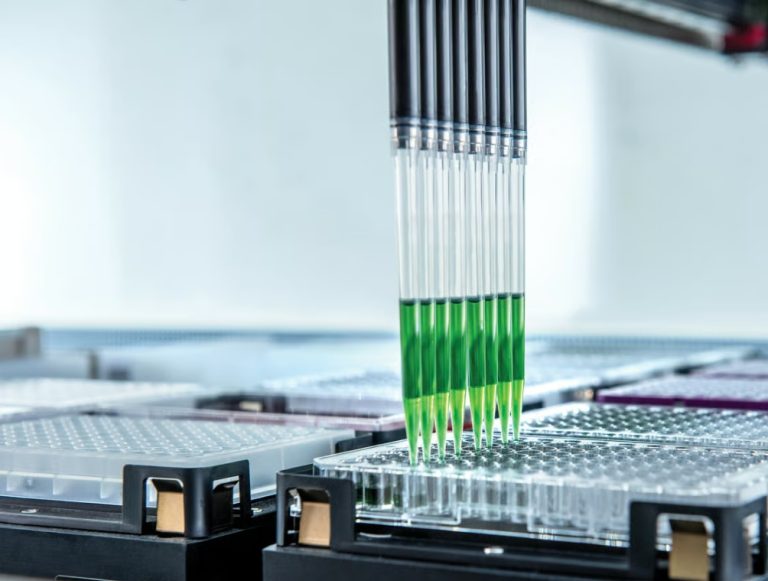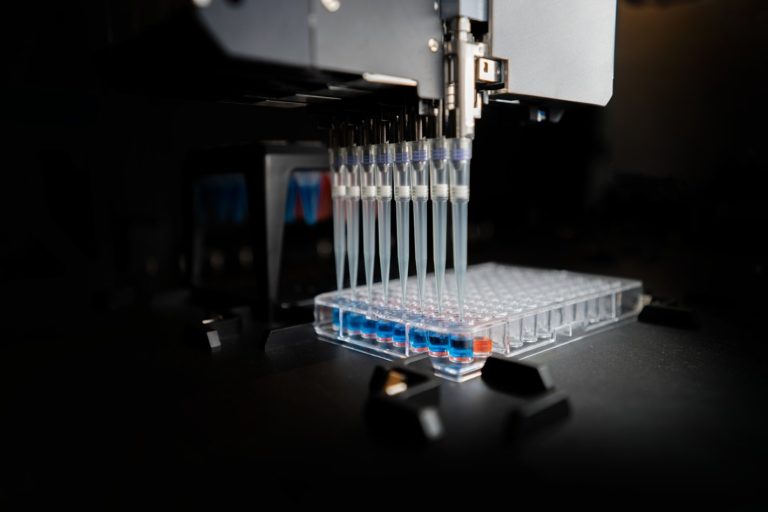
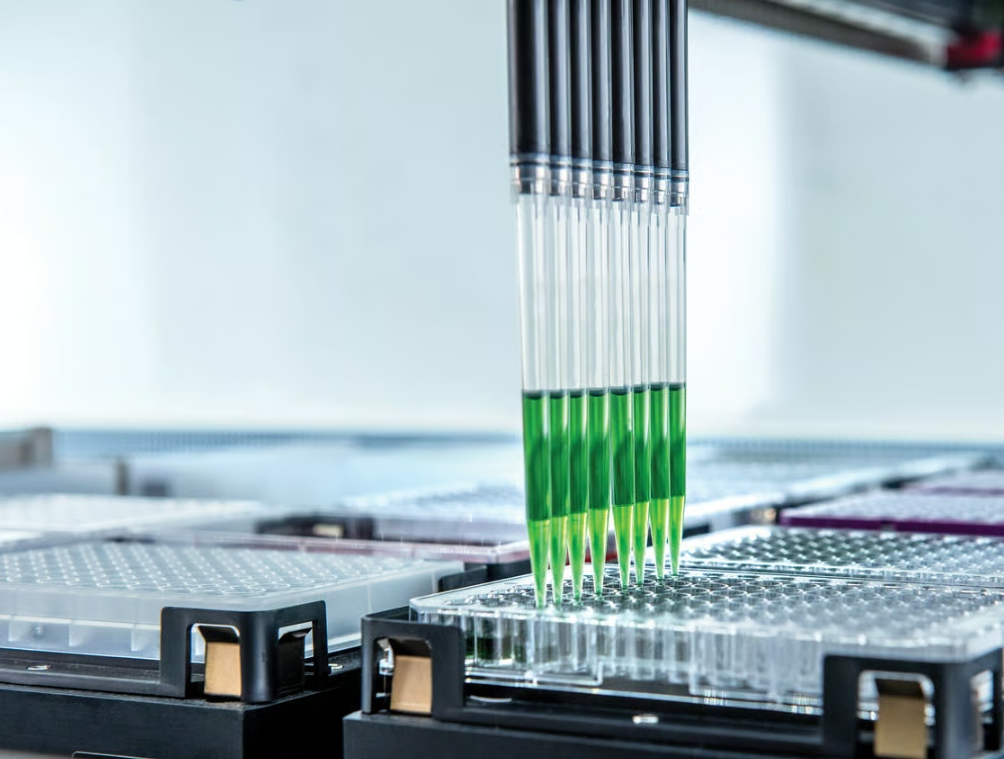
Automated liquid handling systems have become the backbone of modern high-throughput screening, genomics, and clinical diagnostics. However, lab managers frequently face operational bottlenecks that compromise data integrity and raise running costs:
- Unplanned Workstation Downtime: Caused by tip pickup failures, improper sealing, or robotic arm jams.
- Sample Cross-Contamination: Droplet hang-up and liquid retention leading to volumetric inaccuracies.
- Escalating Consumable Costs: High distributor markups on original equipment manufacturer (OEM) robotic tips.
- Lot-to-Lot Inconsistency: Variations in plastic molding tolerances that disrupt sensitive capacitive liquid level sensing (cLLD).
To eliminate these operational risks, high-throughput laboratories require a deeper understanding of robotic tip mechanics and injection molding technology. Puretest is a premier, one-stop biomedical consumables solution and laboratory consumables manufacturer specializing in high-precision laboratory solutions—including blood collection tubes, cell culture flasks and plates, cryovials, PCR consumables, reagent bottles, swabs, urine/feces containers, and premium automated liquid handling tips.
Understanding the Hamilton CO-RE Mechanism and Mold Precision Engineering
The proprietary Hamilton Compressed O-Ring Expansion (CO-RE) mechanism relies on exact mechanical dimensions to secure tips safely without applying destructive vertical forces. Understanding how mold precision directly impacts this mechanism is essential when selecting high-performance Hamilton CO-RE robotic tips and precision pipette tips.
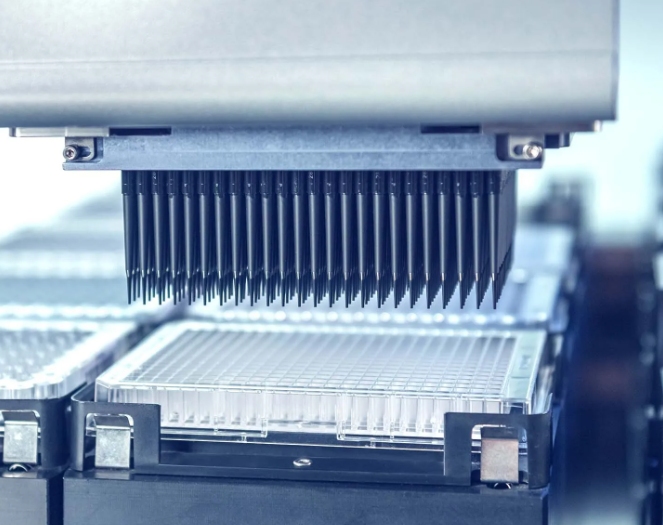
How the Compressed O-Ring Expansion (CO-RE) System Works
The CO-RE system utilizes an expandable elastomer ring that locks into an internal groove inside the tip collar to establish a leak-tight seal.
- Horizontal Mechanical Locking: The robotic mandrel expands outward into the tip’s internal collar groove, securing the tip without requiring high axial loading force.
- Controlled Tip Ejection: Precision inner groove geometry allows smooth release during disposal, minimizing vibration and aerosol spatter.
- Concentricity Alignment: Perfectly centered tip collars ensure axial alignment across 8-channel, 96-channel, and 384-channel pipetting heads.
Micro-Molding Tolerances for Zero-Retention and Precise Locking
Delivering seamless Hamilton CO-RE compatible tips requires ultra-precise mold manufacturing that matches original equipment specifications down to the micrometer.
- Micron-Level Tooling Tolerances: Maintaining collar dimensions within ±0.005 mm eliminates tip jams and misalignments on Hamilton STAR-compatible tips and Hamilton NIMBUS pipette tips.
- SPI A1 Mirror-Polished Cavities: High-polish mold surfaces eliminate micro-roughness, achieving true zero-retention dispensing without hydrophobic chemical coatings.
- Virgin Medical-Grade Polypropylene: High-purity polypropylene resin prevents polymer leaching and maintains the structural flexibility required for repeated O-ring compression.
Evaluating OEM Distributors vs. Direct Manufacturer Sourcing
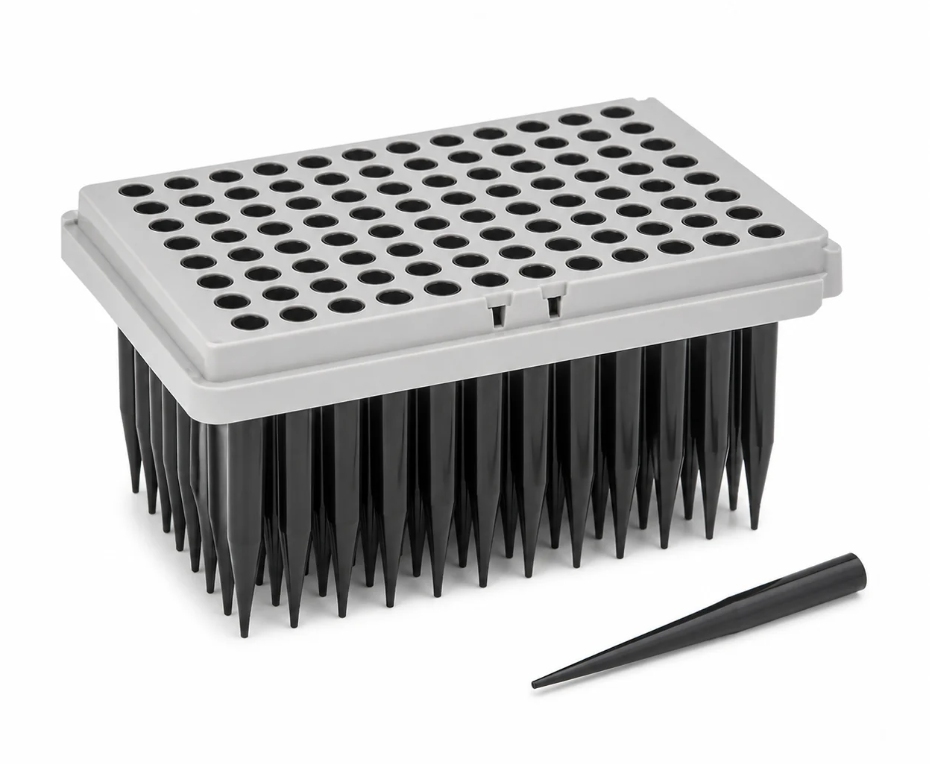
High-throughput laboratories often face a choice between purchasing costly OEM consumables or partnering directly with a liquid handling consumables supplier. Direct sourcing provides significant strategic and operational advantages without compromising assay integrity.
Key Benefits of Sourcing Directly from a Custom Pipette Tips Manufacturer
Sourcing directly from an established custom pipette tips manufacturer and OEM pipette tips manufacturer provides full visibility over quality control and cost structures.
- Substantial Cost Optimization: Eliminating third-party distributor margins reduces per-run consumable expenses for high-volume automated liquid handling tips by up to 40%.
- Strict Lot-to-Lot Consistency: Direct manufacturer batch management guarantees uniform wall thickness, resin density, and dimensional stability across production runs.
- Tailored Manufacturing Capabilities: Partnering with a custom pipette tips manufacturer allows access to specialized filter pore sizes, custom packaging, and bulk robotic pipette tips supplier options.
Puretest Hamilton Compatible Tips: Engineered for Precision Automated Liquid Handling
Puretest produces an extensive range of Hamilton compatible tips engineered specifically for complex automated platforms. Each product undergoes rigorous testing to guarantee flawless pickup, liquid level detection, and zero-retention dispensing.
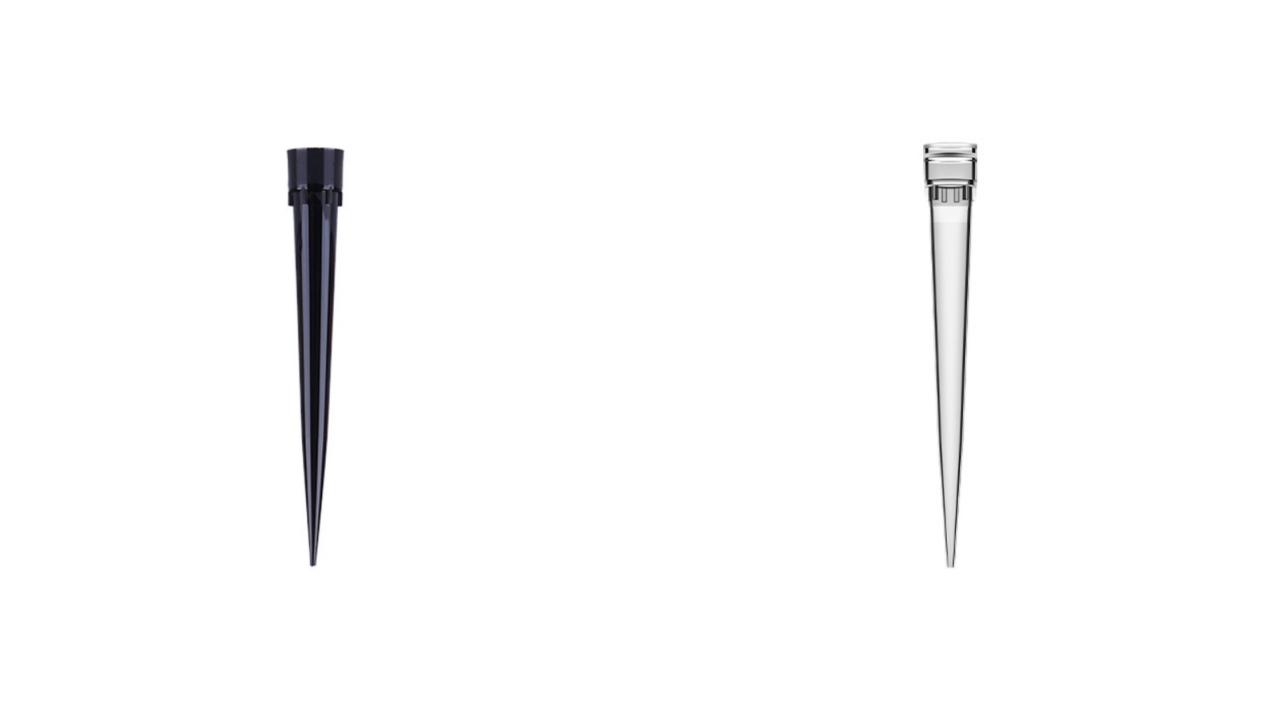
Puretest 50 µL Conductive Filter Tips for High-Throughput Genomics
Designed for low-volume liquid transfer, the Puretest 50 µL conductive tip ensures exceptional accuracy in micro-volume assays.
- Conductive Carbon Formulation: Premium conductive material allows rapid capacitive liquid level sensing (cLLD), preventing tip over-immersion and exterior liquid drag.
- Hydrophobic Polyethylene Filter: Forms an absolute barrier against aerosols, protecting pipetting channels from nucleic acid cross-contamination.
- Target Application: Used extensively in Next-Generation Sequencing (NGS) library preparation and micro-volume PCR master mix distribution to eliminate sample loss.
Puretest 300 µL Conductive Extra-Long Filter Tips for Deep-Well Sampling
The extended length profile of our 300 µL extra-long tip solves common accessibility challenges in deep-well plates and tall sample vessels.
- Extended Reach Geometry: Allows deep penetration into 2.0 mL deep-well blocks and narrow tubes without risking contact between the robotic mandrel and vessel walls.
- Low-Retention Inner Surface: Ultra-smooth interior walls prevent sticky biological liquids from hanging up, ensuring full volumetric recovery.
- Target Application: Solves cross-contamination issues during automated RNA/DNA extraction, biobank sample aliquoting, and high-throughput drug screening.
Puretest 300 µL Clear Filter Tips for Bioanalytical and Immunoassay Workflows
For applications requiring direct visual confirmation, Puretest 300 µL clear tips provide crystal-clear transparency paired with robust liquid handling accuracy.
- High Optical Clarity: Enables automated vision systems and lab operators to visually verify sample aspiration, liquid levels, and absence of air bubbles.
- Certified Purity: Manufactured in Class 100,000 cleanrooms, guaranteed DNase/RNase-free pipette tips, pyrogen-free, and sterile robotic pipette tips.
- Target Application: Ideal for automated ELISA platforms, cell culture media changes, and automated clinical chemistry analyzers.
Practical Applications and Empirical Performance Data
Automated liquid handling performance is measured by reproducibility, positional accuracy, and liquid recovery rates. Empirical research data demonstrates how high-precision tips safeguard assay stability.
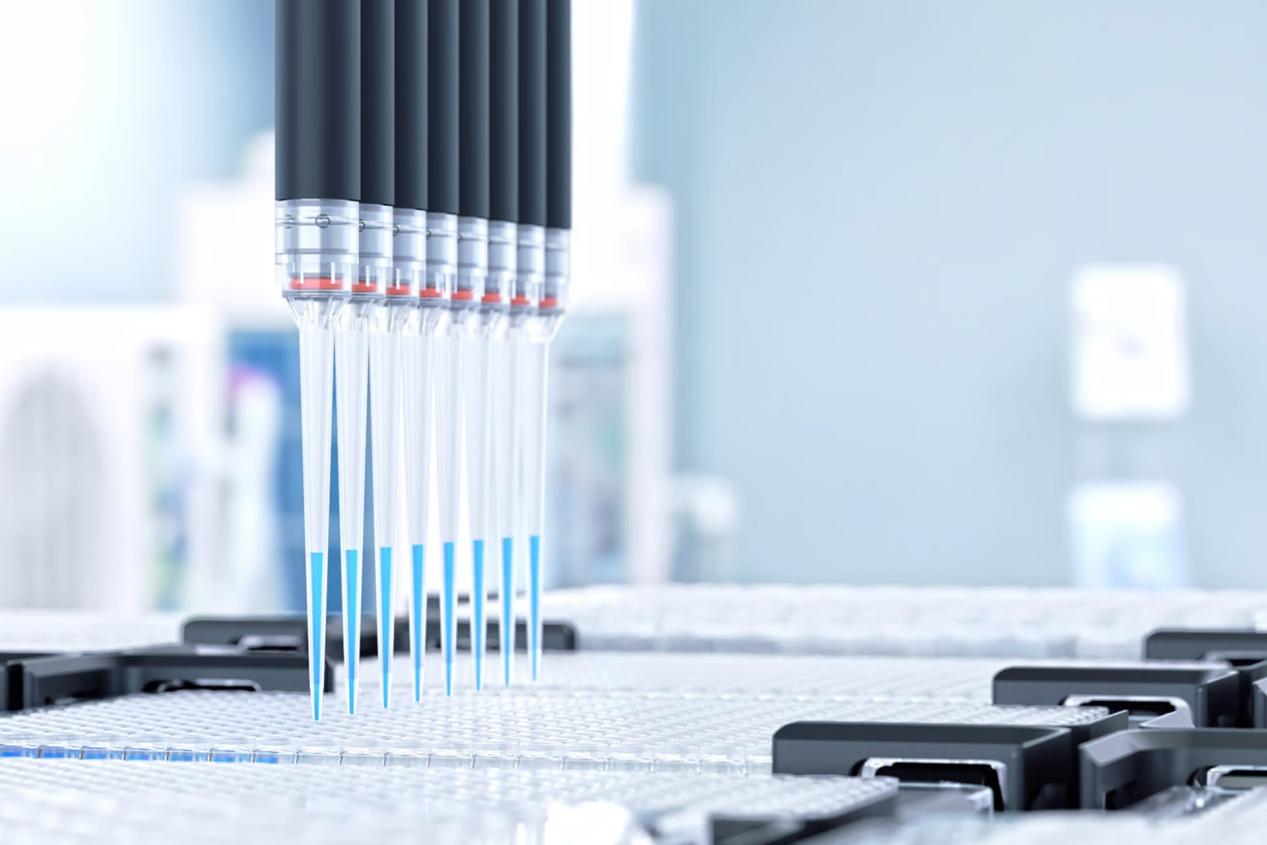
Solving Pipetting Errors in Automated Workstations
Implementing precision-engineered tips directly impacts experimental repeatability and reduces reagent loss in automated screening protocols.
- Volumetric Precision (CV < 1.2%): Studies show that tip collar concentricity tolerances under 5 micrometers yield a coefficient of variation (CV) below 1.2% during sub-microliter dispensing.
- Reagent Loss Reduction: SPI A1 polished mold cavities reduce residual liquid volume from 0.8 µL per drop down to less than 0.05 µL, saving thousands of dollars annually in expensive enzymes.
- Pickup Reliability (99.99% Seal Rate): Exact CO-RE groove dimensions prevent vacuum loss and dropouts across 10,000 continuous automated pick-and-place cycles.
Elevate Your Automated Workflow with Puretest
Choosing the right robotic pipette tips supplier ensures maximum instrument uptime, lower operational expenses, and uncompromised scientific results. Puretest combines advanced micro-injection molding technology with strict quality control to deliver world-class Hamilton CO-RE compatible tips directly to your laboratory.
Upgrade your automated liquid handling workflows today. Contact Puretest to request free sample evaluation kits or discuss bulk OEM supply partnerships tailored to your laboratory’s needs.
FAQ
Q: Why is dimensional tolerance critical for Hamilton CO-RE robotic tips?
A: Hamilton CO-RE systems rely on horizontal expansion rings that require micron-level internal collar dimensions. Dimensional deviations exceeding ±0.01 mm can cause improper seating, air leakage, or tip dropouts during high-speed robotic transfers.
Q: How does conductive carbon material enhance liquid level detection in automated tips?
A: Carbon-conductive material embedded in polypropylene enables the robotic workstation’s capacitive sensors (cLLD) to detect liquid surfaces instantly upon contact, minimizing tip immersion depth and preventing exterior liquid drag.
Q: What causes liquid droplets to hang on robotic pipette tips, and how is it prevented?
A: Hanging droplets are caused by surface micro-roughness and polymer friction. High-polish mold cavities (SPI A1 grade) and virgin medical-grade polypropylene create an ultra-smooth interior that guarantees zero liquid retention without chemical coatings.
Q: Are aftermarket Hamilton compatible tips safe to use without risking equipment damage?
A: Yes, provided they adhere strictly to OEM structural specifications. High-quality tips engineered to match original CO-RE dimensions deliver identical sealing mechanics and positional accuracy without placing mechanical strain on robotic channels.