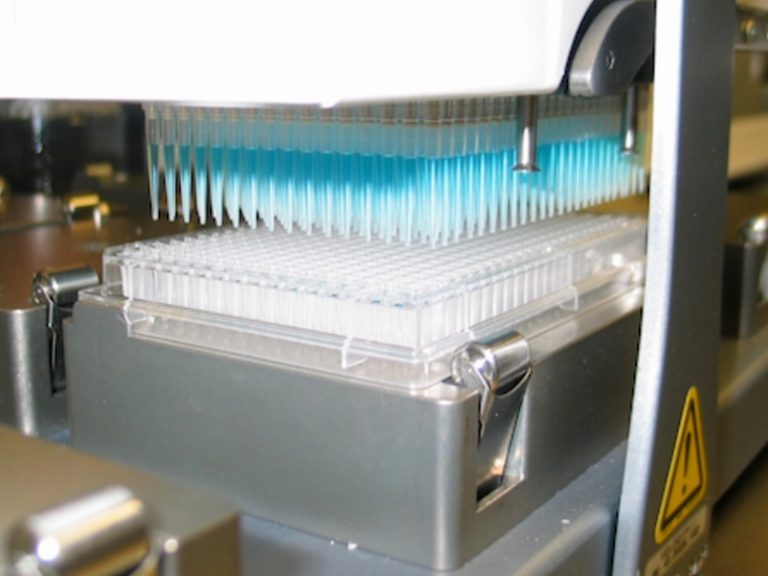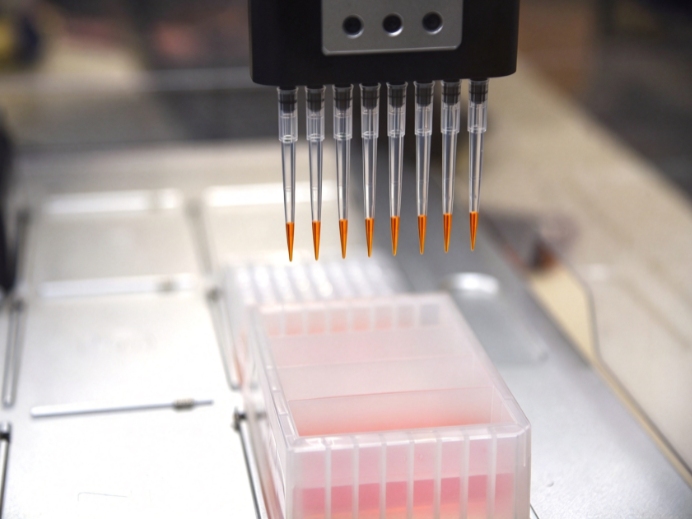
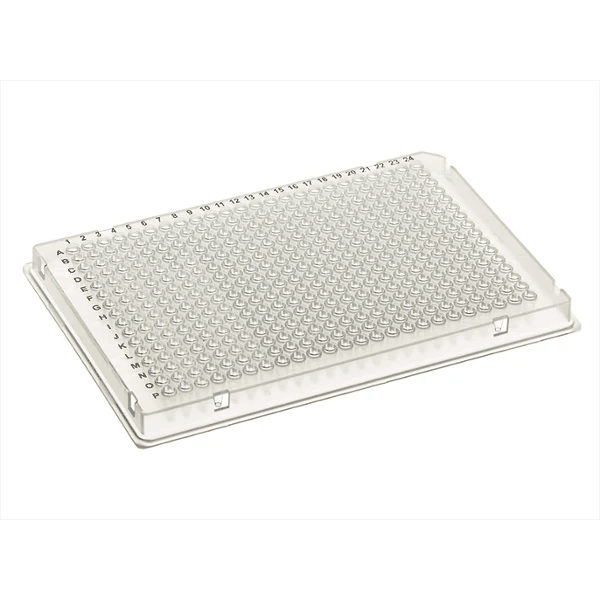
A qPCR workflow is made easier by using the right PCR plates. Typically, first one considers the number of wells and the volume to be used, then the skirt diameter, the format to fit the instruments, the orientation of the notch, and the way the plate is to be sealed. We offer our Puretest qPCR plates in 96-well and 384-well formats in several types, depending on the qPCR assay, the thermal cycler, and the daily laboratory work.
Why PCR Plate Selection Matters
PCR plates are part of the reaction. They have to fit into the thermal cycler or the real-time PCR instrument. The height of the wells has to match the volume of the reaction. The plate has to be easy to recognize when it is being set up. Mismatches can lead to superfluous handling of tubes, problematic loading of plates, and misunderstandings as to which plate is actually being used.
For practical comparison of PCR plates, it is best to split the issues into 4 different questions: How many reactions do you need to do? What volume per well do you need? How will you be placing the plate in the block? And how will you be sealing the plate?
Start with Throughput
The 96-well PCR plate is a standard plate size for many routine assays and allows for an optimal well-to-sample ratio for a medium number of samples. The 384-well PCR plate allows for a denser setup, but requires a dedicated instrument, suitable loading method, and process discipline for the smaller well format. The choice should be based on the real number of reactions and the team’s ability to handle them in a consistent and proper manner.
Match the Reaction Volume
The possible formats for the selected 96-well PCR plates are listed for Puretest in 0.1 mL and 0.2 mL versions. For the selected 384-well plates, a 40 µL format is listed. The values given here are good starting points. The final selection for use will depend on the individual assay and the corresponding instrument method. The reaction volume determines the working space in the well and the degree of sealing necessary for the plate.
96-Well vs 384-Well PCR Plates
When a 96-Well PCR Plate Fits
A 96-well PCR plate is typically chosen by laboratories that require a conventional plate layout for easy pipetting of samples and controls, in addition to sufficient capacity for a range of samples and for standard samples. Such plates are easy to inspect before setting up a test. For laboratories changing from tests with samples in tubes to tests using plate-based technology, the 96-well plate is often the first plate format with which they can work.
Puretest offers different volumes of 96-well plates, with different skirt types, such as full-skirted or semi-skirted plates. The appropriate plate has to be chosen based on the instrument interface and on how the plate is going to be set up, sealed, and moved from the setup to the amplification.
When a 384-Well PCR Plate Is More Practical
A 384-well PCR plate may become more relevant to you when the highest possible throughput is your limit, and you are already using compatible equipment and a dispensing protocol within your lab. While higher well densities in PCR plates allow for fewer plates to be processed in large batches, such plates also need to be perfectly mapped, closed perfectly, and handled carefully. A denser format only has value when all aspects of your workflow can be accommodated.
Puretest lists 40 µL 384-well PCR plates in ABI-type and Roche-type formats, with one-notch and two-notch options shown on the product page. These format identifiers should be checked against the instrument manual and the laboratory’s established loading orientation before a new plate is introduced.
Skirt Design and Instrument Compatibility
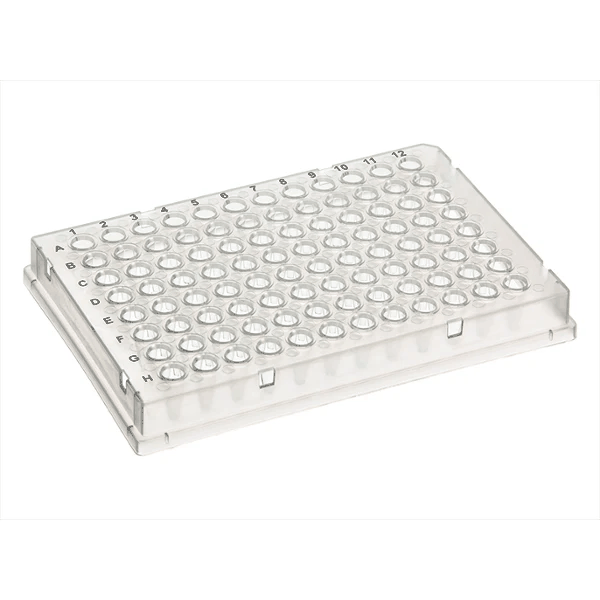
One of the more visible differences between PCR plates is their skirts. In addition to a cosmetic difference, full-skirted PCR plates create a defined outer border which can be read by a robot to locate samples in a plate. Semi-skirted and non-skirted PCR plates are designed to be used with specific instruments and workflow methodologies that do not use a support in their handling of the plates. Choose the skirted PCR plate that is best for your specific needs.
Full-Skirted PCR Plates
The outer frame of full-skirted PCR plates can be useful to include in a laboratory’s positioning, labeling, or even automation procedures. In situations with many plates moving through a high-throughput lab, full-skirted plates are also easier to recognize and to orient correctly. We offer a 0.1 mL 96-well full-skirted PCR plate in a Bio-Rad-type layout as an alternative to the standard version.
Semi-Skirted and Non-Skirted Formats
There are also Semi-skirted and Non-skirted versions of plates. This is because many thermal cyclers and plate carriers use different support profiles. All Puretest Semi-Rigid plates are available in 0.1 mL and 0.2 mL Semi-skirted formats as well as in a 0.2 mL Non-skirted format. Always check frame dimensions, how plates seat, and the required orientation rather than believing “universal” exists.
Sealing, Orientation, and Workflow Control
Notch Orientation
The orientation of the Notch is important for setting up plates correctly and to keep track of the intended well map. Puretest 384-well plates are available with one-notch or two-notch configuration in selected formats. A simple check on the orientation of the first few rows at the beginning of the setup can save a lot of time by preventing plates from being turned around, wrong positions being read, and samples being added to wrong wells.
Sealing Requirements
The sealing method should be selected with the reaction volume, instrument, and handling routine in mind. The seal must cover the wells evenly and remain compatible with the planned run, while the operator should still be able to remove it without disturbing the plate map. When comparing PCR plates, confirm whether the planned seal, lid, or film is suitable for the selected plate and instrument.
For routine qPCR assays, it is important to set up the qPCR plates in a consistent manner and to record the plate orientation. Furthermore, it is important to use the same type of sealing for all assays that permit sealing of the plates. In this way, new plates can be evaluated more easily, and any changes in results can be determined if they are not due to unnecessary variations in handling the assay.
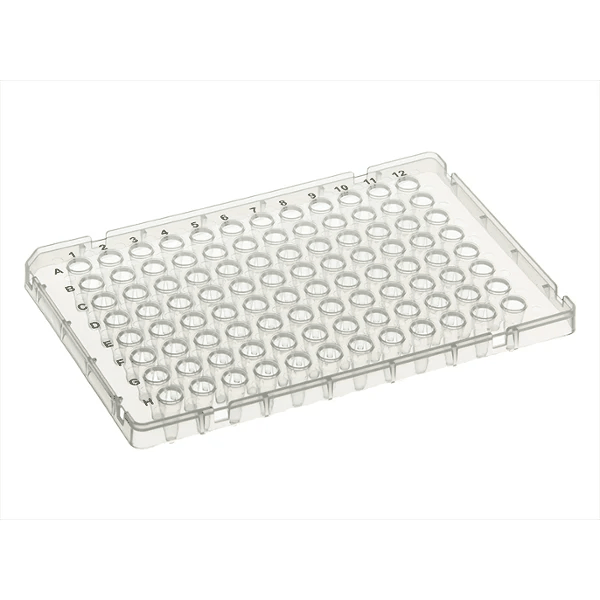
Choosing PCR Plates from Puretest
For a laboratory requiring several PCR plate types within one family of products, the Puretest range offers a very practical solution. The current range includes 96-well and 384-well formats, a variety of well volumes, and skirted designs including full skirt, half skirt, and skirtless. First select the required instrument format and then check volume, skirt type, notch orientation and sealing requirements to finalize your choice.
One of the most useful product comparisons is on the Puretest PCR plates page and the wider PCR and molecular biology products page. This allows for comparison of the key setup details for products of different formats, without comparing like with like within a single brand.
Conclusion
The best PCR plates are the ones that fit the full qPCR workflow: reaction volume, well count, plate support, instrument format, orientation, and sealing method. A 96-well plate may suit routine and moderate-throughput work, while a 384-well plate can be useful for a denser workflow when the instrument and handling process are ready.
For a format-based solution that keeps these decisions visible, explore Puretest before standardizing your next PCR plate workflow.
FAQ
Q: What is the difference between 96-well and 384-well PCR plates?
A: 96-well PCR plate is generally suitable for routine use as well as for moderate-throughput experiments. A 384-well PCR plate contains more reactions in a smaller space. It allows for higher numbers of reactions to be processed in batches, if the instrument, the method of dispensing, and the processing of the plates allow this. Ultimately, the choice will depend on several criteria including throughput, reaction volume, plate mapping and instrument compatibility.
Q: Are full-skirted PCR plates compatible with every thermal cycler?
A: No. The different designs of full-skirted, semi-skirted, and non-skirted plates require different frame types. Therefore, compatibility depends on the thermal cycler, real-time PCR instrument, carrier, or even automation deck on which the plate is to be used. Check the instrument format and the support offered by the plate in Puretest. There are several formats available which are compatible with your equipment; however, this must also be checked against the actual equipment setup.
Q: Why does PCR plate volume matter?
A: Well volume defines the size of the reaction space, the type of sealing used, and the appropriate assay. Well volume for Puretest assays is given for selected 96-well and 384-well plates in 0.1 mL, 0.2 mL, and 40 µL versions. When choosing an assay, select the volume that is validated for the respective method and for the intended format on the instrument.