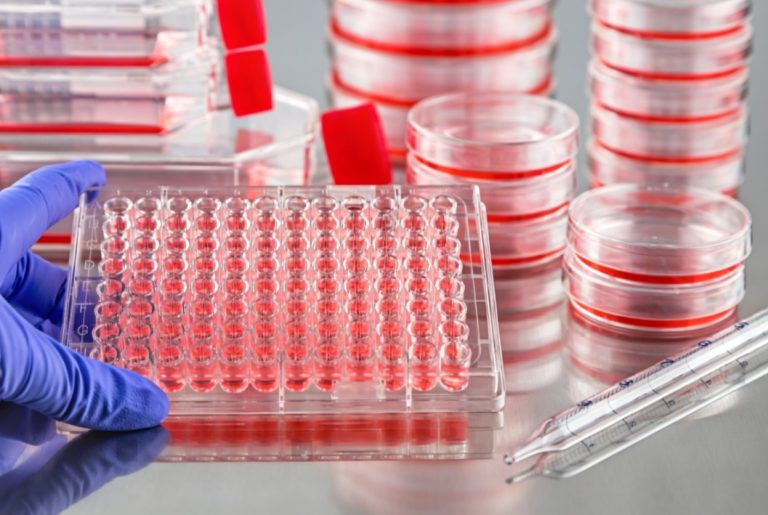

In biomedical research, one microliter can mark the line between a successful experiment and days of lost effort. Air-displacement pipettes handle most daily tasks well in the lab, but they often struggle with tricky liquids such as glycerol, ethanol, or thick syrups. Puretest, a leading manufacturer of high-quality lab consumables, knows that true accuracy comes from combining solid technique with suitable tools. By using our specialized tips like the 200 uL Large Orifice Pipette Tips and Macro Tips, researchers can reach the consistent results needed for today’s demanding clinical and diagnostic work.
Understanding the Science of Positive-Displacement Pipetting
To use any lab tool well, start by learning how it works and how it affects your samples.
The Mechanics of the Piston-Liquid Interface
Positive-displacement systems work differently from ordinary pipettes. They use a piston that touches the liquid directly instead of depending on an air cushion.
- Elimination of the Air Cushion: This direct contact gets rid of the springy nature of air, which expands or shrinks with changes in temperature and pressure.
- Accuracy with Volatile Samples: With no air space, liquids like hexane or chloroform stay contained and do not evaporate inside the pipette, avoiding leaks or incorrect volumes.
- Total Sample Recovery: The piston wipes the inside completely, so even thick samples come out fully. This becomes important when you handle costly reagents.
Step-by-Step: Mastering the Technique in the Lab
Reaching sub-microliter accuracy takes careful attention to every step, from choosing the tip to completing the dispense. Small mistakes add up quickly in sensitive protocols.

Preparation and Proper Tip Selection
Create a steady workspace and pick the right Puretest consumable before you begin any protocol. Taking a few moments here prevents many common problems later.
- Check Compatibility: Always confirm the tips match your pipette brand. Puretest provides specialized fits, including 10 mL Macro Gilson/Eppendorf-Fitand 20 uL Racked LTS-Compatible Tips.
- Visual Inspection: Examine the tip for defects before drawing liquid. Puretest makes tips in Class 100K-level GMP clean rooms to keep them free from DNase, RNase, and pyrogens.
- Airtight Seal: Push the pipette firmly onto the tip. A weak connection causes most failures when aspirating in positive-displacement systems.
Aspiration and Dispensing Best Practices
The way you move the pipette in the liquid affects the exact volume that ends up in your plate or tube. Good habits here make the difference between reliable data and repeated runs.
- Immersion Depth: Place the tip just below the surface, around 2–3 mm for small volumes. Going deeper lets liquid stick to the outside and adds extra volume.
- Vertical Alignment: Keep the pipette straight, within 20 degrees of vertical. Tilting changes the pressure and affects how much liquid you pull in.
- Steady Rhythm: Press and release the plunger in a smooth, even way. Fast actions create bubbles or cavitation, especially with thick liquids like 100% glycerol.
Application Scenarios: Where Puretest Products Shine
Ideas matter, but practical lab challenges show why quality consumables make a difference. Years of supporting researchers have shown us where these tools prove most valuable.

Handling High-Viscosity and Volatile Liquids
Many protocols involve concentrated oils, detergents, or solvents that leave residue in regular tips. These situations test both the equipment and the operator.
- The Problem: Thick liquids cling to the walls of standard tips, while volatile ones drip because of vapor pressure.
- The Puretest Solution: Our 200 uL and 1000 uL Large Orifice (Wide Bore) Pipette Tipshandle these situations well. The wider opening lowers shear force on the liquid, so thick samples move quicker and delicate genomic DNA stays undamaged.
- Application: These tips suit preparing master mixes for PCR Series or working with serum and blood samples in Blood Collection Tubes.
Preserving Sample Integrity in Genomic Research
Large genomic work often means transferring bigger volumes of buffer or lysate without causing contamination or damaging the material. Multiple small transfers increase risk.
- The Problem: Small tips force repeated steps, which raises the chance of mistakes and sample shearing.
- The Puretest Solution: Puretest Macro Tips(5 mL and 10 mL) let you move larger amounts in one careful action. They come in Eppendorf-Fit and Gilson-Fit versions for a secure fit with your equipment.
- Application: They become essential during cell culture media exchange in Cell Culture Flasks or Cell Culture Plates, where keeping a sterile and gentle setting matters most.
Quality Assurance: The Puretest Manufacturing Standard
Accuracy begins in manufacturing and continues with every tip you use. Every detail in production supports the precision you need at the bench.

Class 100K GMP Production and ISO Compliance
Solid outcomes start with a manufacturer that focuses on modern equipment and tight quality controls.
- Advanced Automation: Puretest operates over 100 high-speed, fully electric injection molding machines linked to an MES system. This approach removes human mistakes from production.
- International Certifications: Our products hold ISO13485 and CE standards, which give the compliance needed for IVD and pharmaceutical manufacturing.
- Rigorous Testing: Every batch passes dimension and function tests so the tip you use today works the same as the one you use later.
Elevate Your Lab’s Precision with Puretest
Stop letting difficult liquids affect your results. Whether you run high-throughput PCR or careful cell culture work, Puretest serves as a complete source for laboratory consumables. Our focus on practical solutions helps labs maintain high standards day after day.
Contact us today for a technical consultation or to request free samples for your next study.
FAQ
Q: Why should I choose positive-displacement tips over filtered air-displacement tips for volatile liquids?
A: Air-displacement tips leave an air gap where volatile liquids can evaporate and create pressure shifts that cause dripping. Positive-displacement tips have no gap, so the liquid stays where it belongs until you dispense it.
Q: Can I use Wide Bore tips with standard air-displacement pipettes?
A: Yes. Puretest Wide Bore (Large Orifice) Tips fit most standard pipettes. They reduce shear on cells and make it easier to handle thick liquids like viscous proteins or genomic DNA.
Q: How often should I calibrate my positive-displacement pipette compared to a standard one?
A: The moving piston experiences more wear over time. Check calibration every 3-6 months, or right away if you switch to a different tip brand.
Q: What is the benefit of using Macro Tips for large-volume cell culture work?
A: Puretest Macro Tips (5mL/10mL) allow quick transfer of media and buffers with fewer steps. This shortens the time a Cell Culture Plate stays open to the air and lowers contamination risk.