In the demanding field of molecular diagnostics and genomic research, the outcome of a Polymerase Chain Reaction (PCR) is often decided well before any heating cycle starts. Laboratories and brand distributors frequently struggle with lower-grade PCR plates. Problems like uneven wall thickness, weak heat transfer, and unwanted chemicals from basic plastics cause evaporation, reduced enzyme performance, and results that cannot be repeated. These issues affect more than one test. They create expensive repeat runs, waste valuable reagents, and sometimes produce questionable clinical findings.
At Puretest, we recognize that solid lab supplies form the base for trustworthy science. As a dedicated maker of medical-grade consumables, we connect precise engineering with everyday lab needs. We pay close attention to how the thermal cycler works with the plate itself. This approach removes the unseen problems that come with cheap plastic options.
The Hidden Cost of Low-Quality PCR Consumables
Many labs try to cut spending by buying standard plates. They later discover that these items create weak points in their daily processes. Plates that warp during high heat fail to form tight seals. Samples then lose volume through evaporation, which often ruins the entire PCR run. In addition, tiny amounts of DNase, RNase, or endotoxins from uncertified materials can break down delicate DNA samples right at the start.
For B2B partners and brand owners, supplying a sub-standard 96-well PCR plate harms trust and increases returns. The answer comes from working with a supplier that puts material cleanliness and exact construction first.
Engineering Excellence: Defining the Best PCR Plate for PCR Applications
Finding the best PCR plate for PCR applications calls for solid knowledge of materials and how heat moves. At Puretest, our items are built to handle the tough requirements of current biotechnology work.
Material Integrity and Thermal Dynamics
The heart of a strong plate lies in its material. We choose USP Class-6 Polypropylene (PP), a medical-grade plastic valued for its resistance to chemicals and low tendency to bind biological material. Our production keeps walls thin and even across every well in the 96-well PCR plate. This evenness supports quick and consistent heat movement. Every well reaches the set denaturation and annealing temperatures at the same time. Such control matters a great deal for accurate quantitative PCR (qPCR) results.
Certified Purity Standards
Sensitive clinical and research work needs plates free of contaminants. Every Puretest PCR plate carries certification for being DNase-free, RNase-free, non-pyrogenic, and non-cytotoxic. Production takes place in Class 100K GMP clean rooms. More than 100 high-speed electric injection molding machines run with minimal human contact. This setup lowers the chance of introducing unwanted particles.
Maximizing Laboratory Throughput with the 96 Well PCR Plate
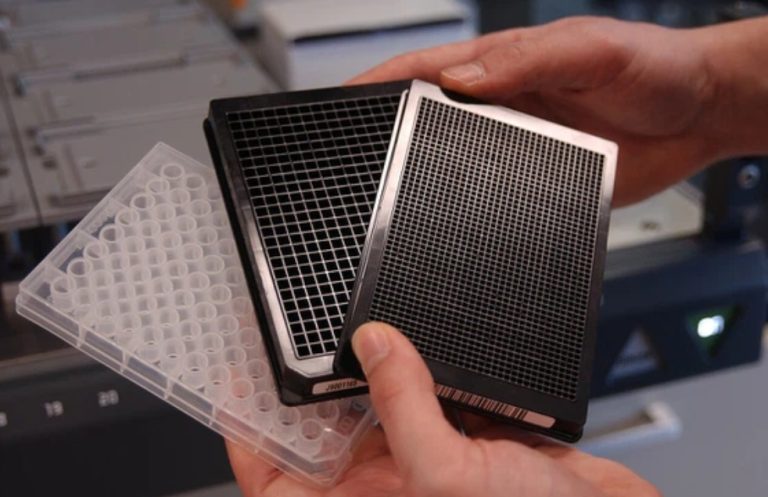
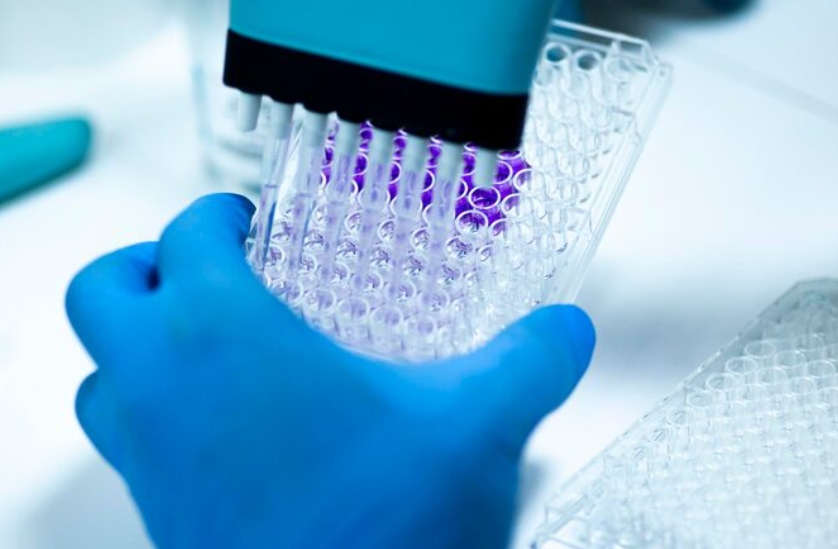
The standard 96-well PCR plate continues to serve as a main tool in labs everywhere. Differences exist between models. Busy high-throughput facilities need plates that deliver several practical benefits:
- Excellent Compatibility: Our plates work smoothly with major thermal cycler brands. Labs can add them to current equipment without extra adjustments.
- Clear Markings: Molded letters and numbers make it easy for staff to track samples and avoid pipetting mistakes during busy shifts.
- Leakproof Design: When used with our matching caps or sealing films, the plates hold samples securely through high-heat steps.
These features help labs process more samples in less time while keeping data reliable.
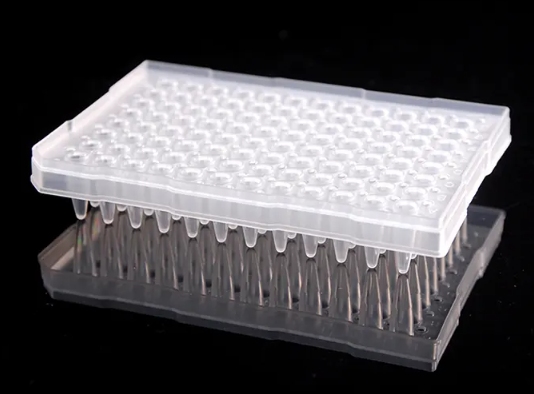
Specialized Solutions: Hard Shell PCR Plates for Clinical Research
Automated systems and precise diagnostic work sometimes require more stiffness than standard polypropylene plates can offer. This is where hard-shell PCR plates for clinical research prove valuable.
Clinical settings often rely on robotic handlers and fast plate shakers. Ordinary plates may bend or change shape under these conditions. The result can be missed picks by robots or failed seals. Puretest produces plates with added structural support. They keep the thin polypropylene wells needed for fast temperature changes. Hard shell PCR plates for clinical research maintain steady dimensions. This stability matters for the grippers and sensors found in modern diagnostic equipment.
Case Study: Optimizing Large-Scale Genomic Screening
A major molecular diagnostics company worked with Puretest to fix repeated issues in its automated screening line. Generic plates led to a 4% failure rate caused by warping and uneven readings across the 96-well layout.
After changing to the Puretest high-performance 96-well PCR plate, results improved right away. Precise molds and automated manufacturing delivered the flatness the robotic system required. Over three months, the company noted:
- Zero failure events tied to plate warping or handling problems.
- A 12% drop in reagent waste from better seals and less evaporation.
- Steady CT values in all wells confirmed that Puretest supplies the best PCR plate for PCR applications in demanding, high-volume settings.
This example shows that good labware represents a smart investment. It supports consistent data and smoother operations rather than adding to costs.
Puretest: A Legacy of Precision in Labware Manufacturing
Puretest began in 2017. The company has grown quickly into a respected name in biomedical supplies. Its 15,000 square meter facility meets ISO13485 and CE requirements. This setup allows the firm to handle tough B2B demands effectively.
The main advantage comes from ODM/OEM capabilities. Puretest goes beyond simply selling items. The team partners with brand owners on the design, development, and production of custom labware. More than 25% of staff focus on research and development. Senior engineers turn client ideas into finished products ready for the market. Whether the need involves a standard 96-well PCR plate or specialized hard-shell PCR plates for clinical research, Puretest delivers the accuracy brands require.
Elevate your project with Puretest
PCR results depend heavily on the plate that contains the sample. Working with Puretest means choosing a partner focused on technical quality, automated production, and careful testing. The company supplies reliable tools, so scientists and clinicians can concentrate on their findings instead of worrying about supplies.
Take steps now to improve your lab’s performance. Reach out to Puretest for samples or to explore a custom OEM arrangement.
Contact Us:
- Email: sales@biopuretest.com
- WhatsApp: +86 151 6712 9685
FAQ
Q: What materials are used in Puretest PCR plates?
A: We use medical-grade USP Class-6 Polypropylene (PP) to ensure high thermal conductivity and chemical purity.
Q: Are your PCR plates compatible with all thermal cyclers?
A: Yes, our plates are designed for excellent compatibility with most standard laboratory machines and robotic systems.
Q: Do you offer customization for brand owners?
A: Yes, Puretest provides comprehensive ODM/OEM services, including custom mold design and specialized packaging.
Q: Are the plates certified for clinical use?
A: Our plates are produced in a Class 100K clean room and are certified DNase/RNase-free and non-pyrogenic.