The most common tubes used for PCR (polymerase chain reaction) are:
– Thin-walled PCR tubes made of polypropylene plastic – These are designed specifically for PCR as they have very thin walls to allow for efficient heat transfer during thermal cycling. They are available individually or in strips/plates.
– 0.2 ml PCR tubes – One of the most popular PCR tube sizes. Holds 20-50 μl reaction volumes.
– 0.5 ml PCR tubes – Slightly larger, holds 50-100 μl reactions.
– 1.5 ml microcentrifuge tubes – Can be used for larger 100-200 μl PCR reactions or final storage.
– Capillary tubes – Specialized glass or silica tubes with very thin walls, used for rapid cycle PCR instruments.
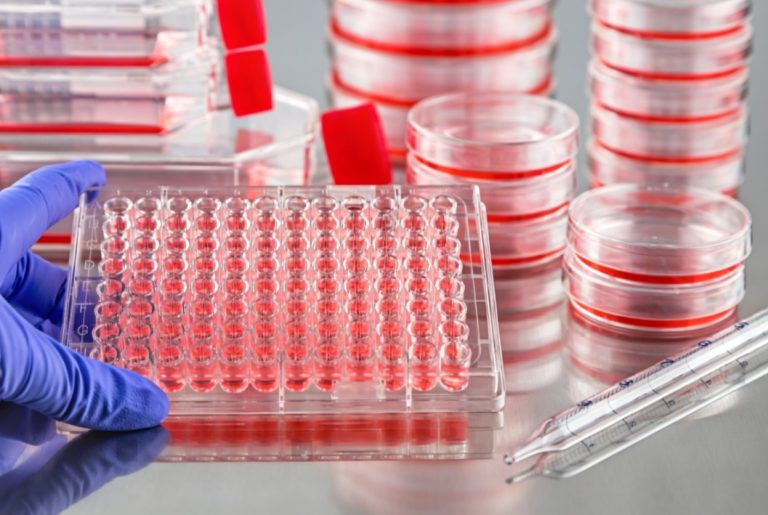
– Multi-well plates – Plates with 96 or 384 wells can be used for high-throughput PCR, with each well acting as a PCR tube.
– Eppendorf tubes – While not specifically designed for PCR, some 1.5 ml and 2.0 ml Eppendorf tubes can be used.
The tubes are designed for heat transfer efficiency and are made of inert plastics like polypropylene that will not inhibit the PCR reaction. Their thin walls and high surface-to-volume ratio allows for rapid thermal cycling. The type of tube depends on the reaction volume and throughput needs.