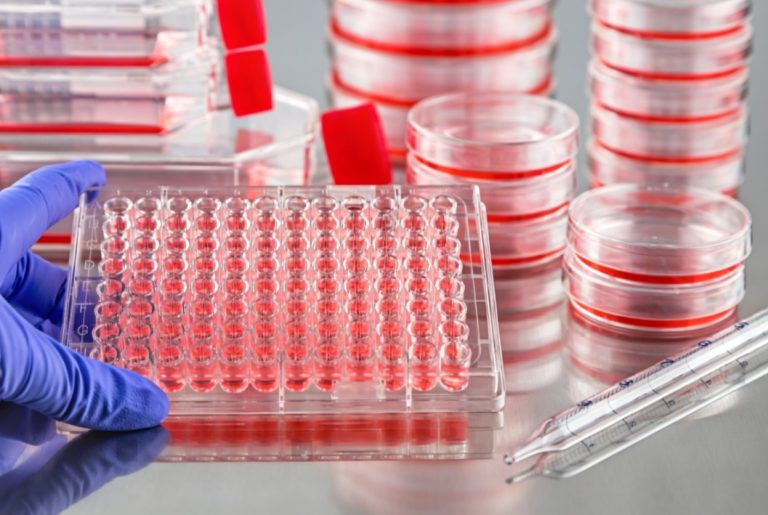
A PCR tube is a small, clear plastic tube used in the Polymerase Chain Reaction (PCR) process. It’s designed to hold the reaction mixture, which typically includes DNA samples, primers, nucleotides, a DNA polymerase enzyme, and a buffer solution. Here are some key features of PCR tubes:
1. **Material**: PCR tubes are usually made from polypropylene, which is resistant to high temperatures and chemicals used in the PCR process.
2. **Volume**: They come in various sizes, typically ranging from 0.2 mL to 1.5 mL, depending on the volume of the reaction mixture needed.
3. **Design**: PCR tubes are often designed with a conical bottom to ensure that the reaction components are easily collected at the bottom of the tube, improving efficiency.
4. **Cap**: PCR tubes can have snap-on caps or screw caps to prevent leakage and contamination. Some tubes come with attached caps that are designed to minimize evaporation.
5. **Compatibility**: They are compatible with PCR thermal cyclers, which provide the necessary temperature cycles for the amplification of DNA.
PCR tubes are used in laboratories for a variety of molecular biology applications, including DNA amplification, mutation detection, and gene expression analysis.