
What are filter tips low retention?
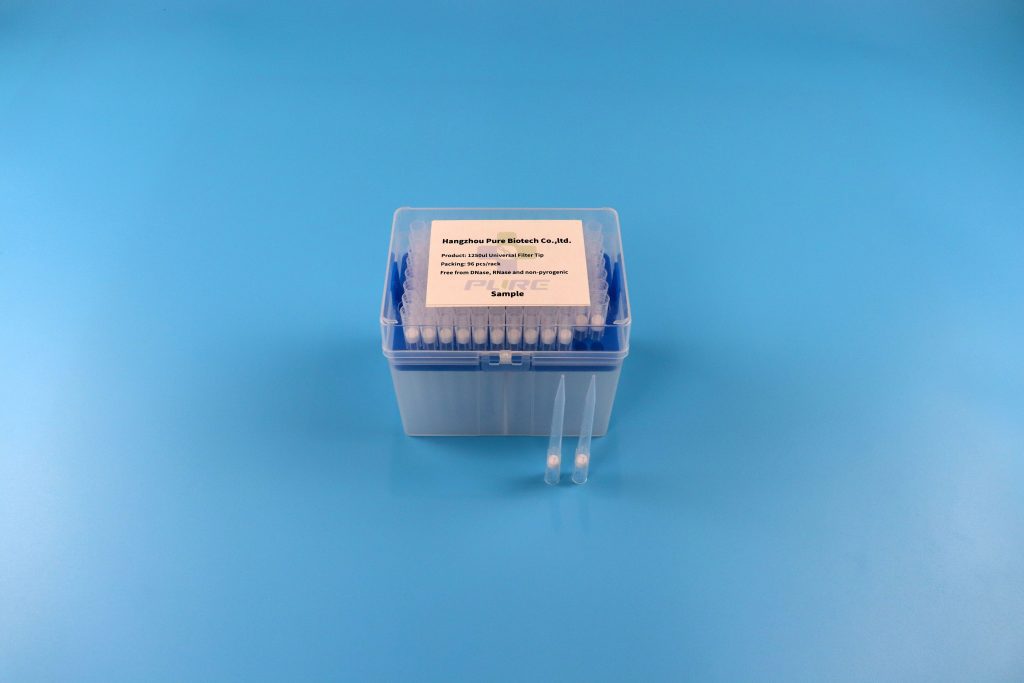
Filter tip’s low retention refers to pipette tips that are designed to minimize sample loss and contamination during pipetting. Here are some key things about low retention filter tips: – They contain an extra filter in the tip that captures liquid, preventing it from sticking to the inside walls of the tip. This reduces sample […]
What temperature should a PETG bottle be?

PETG plastic bottles can safely withstand relatively high temperatures compared to other plastic bottle materials. Some guidelines on temperature limits for PETG bottles: – Boiling water – PETG bottles can tolerate boiling water temperatures up to 212°F (100°C). This allows for pouring boiling water into PET bottles or using hot water to sanitize them. – […]
Is PETG safe for water bottles?
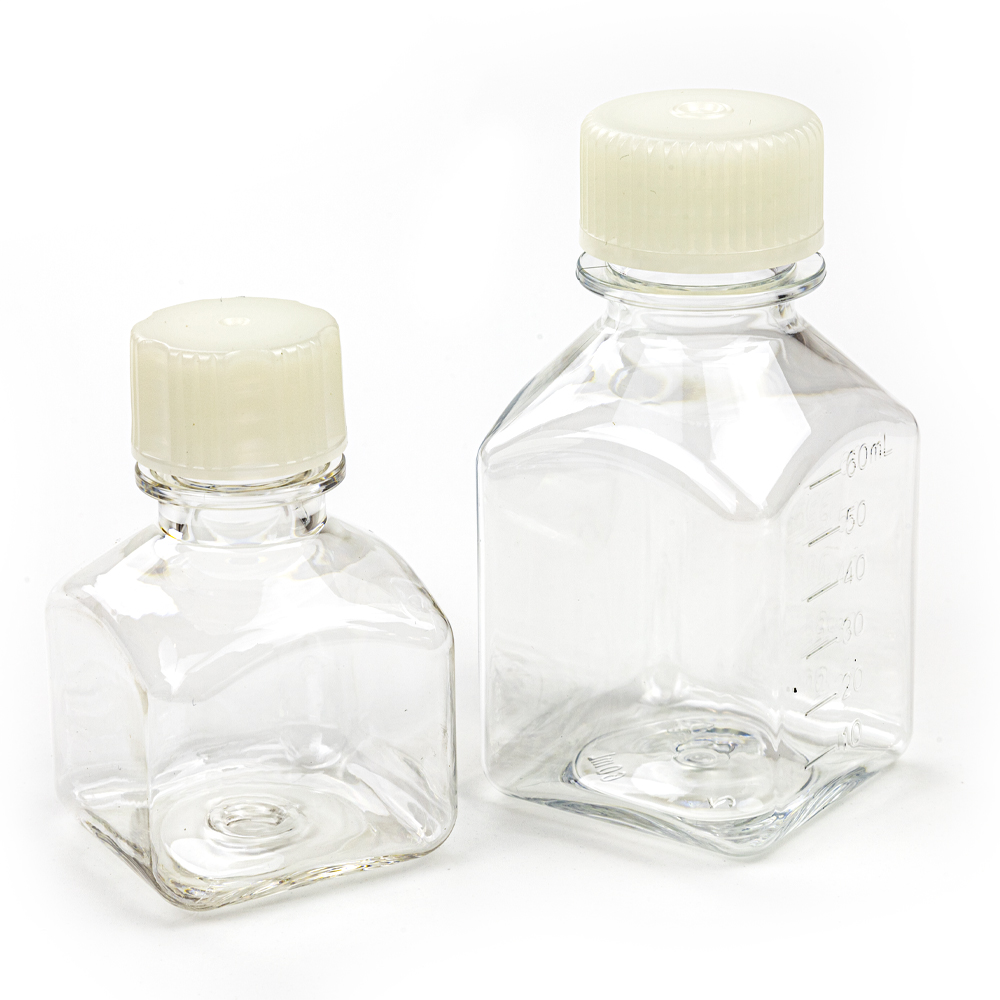
Yes, PETG is considered a safe plastic for water bottles. Here are some key points about the safety of PETG: – FDA Approved – PETG is FDA-approved for food contact and has GRAS (Generally Recognized As Safe) status. This means it is considered safe for use with food and beverages, including water. – Non-Toxic – […]
What material are cryovials?
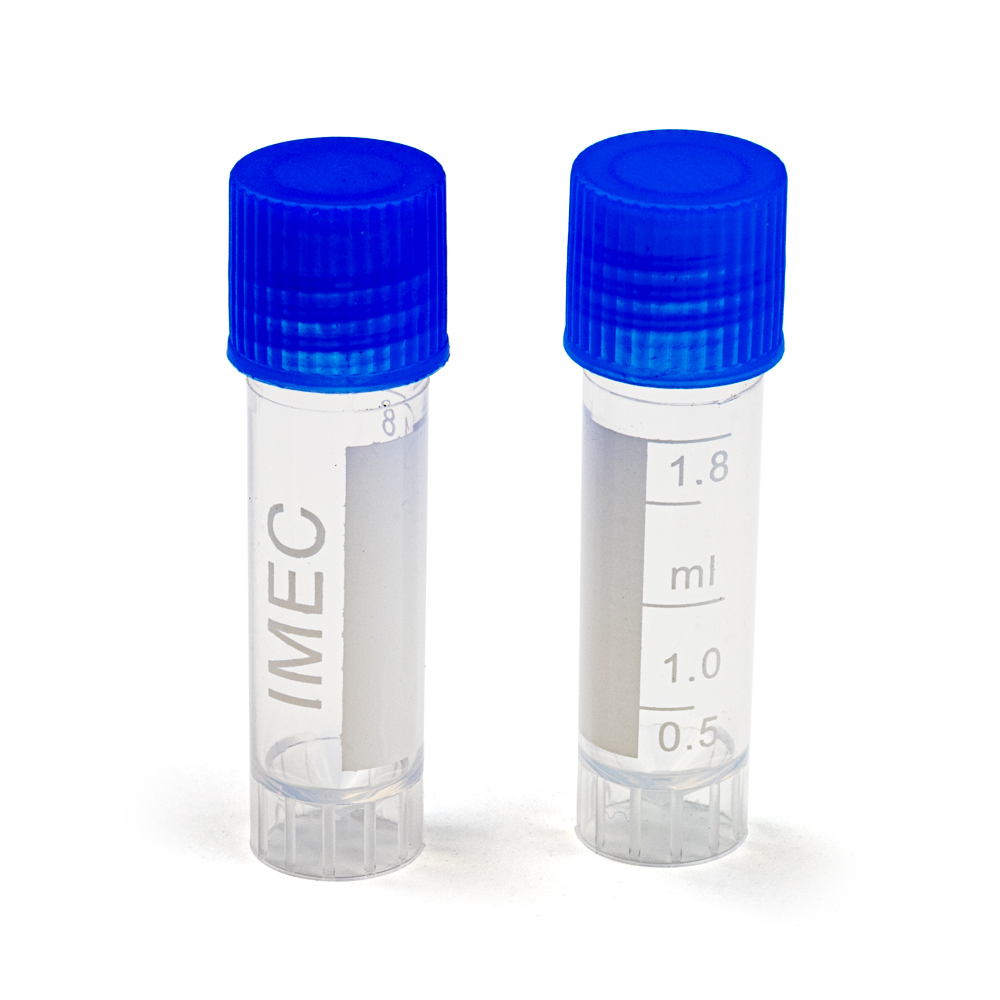
Cryovials are typically made from polypropylene plastic due to their desirable properties at ultra-low temperatures: – Thermal shock resistance – Polypropylene can withstand rapid temperature changes during freezing and thawing cycles without becoming brittle or cracking. This helps maintain sample integrity. – Low-temperature durability – The material remains flexible and durable even when frozen to […]
What is a cryogenic vial?
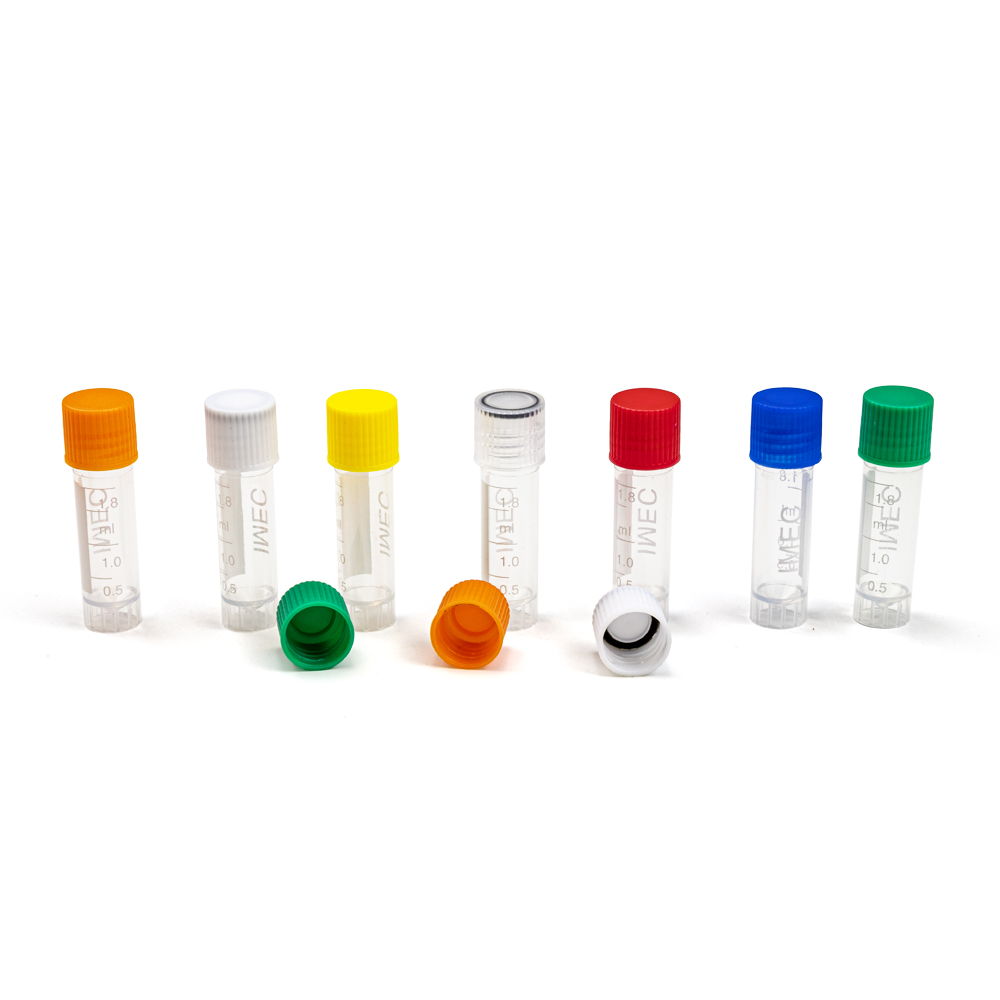
A cryogenic vial is a special type of vial designed for storing biological samples at extremely low cryogenic temperatures. Here are some key features of cryogenic vials: – Material – Usually made of polypropylene plastic that can withstand ultra-low temperatures between -80°C to -196°C without becoming brittle. – Screw cap – Has an inner silicon […]
What is the function of Cryovials?
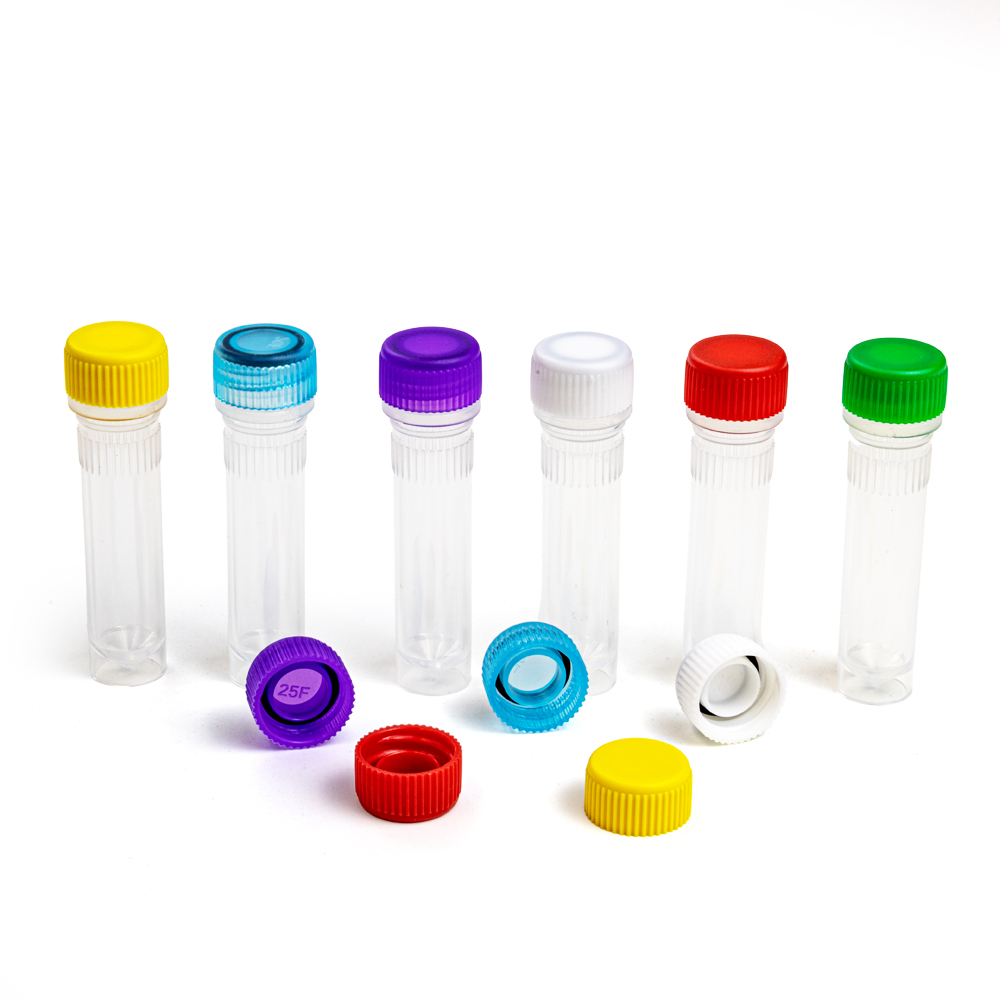
Cryovials are small plastic vials used for storing biological samples at ultra-low temperatures. They have several key functions: – Sample preservation – Cryovials allow long-term storage and preservation of biological samples like blood, tissues, cells, DNA/RNA, etc at temperatures typically between -80°C to -196°C. The ultra-low temperatures halt any biological activity and degradation. – Sample […]
What is a cryovial tube?
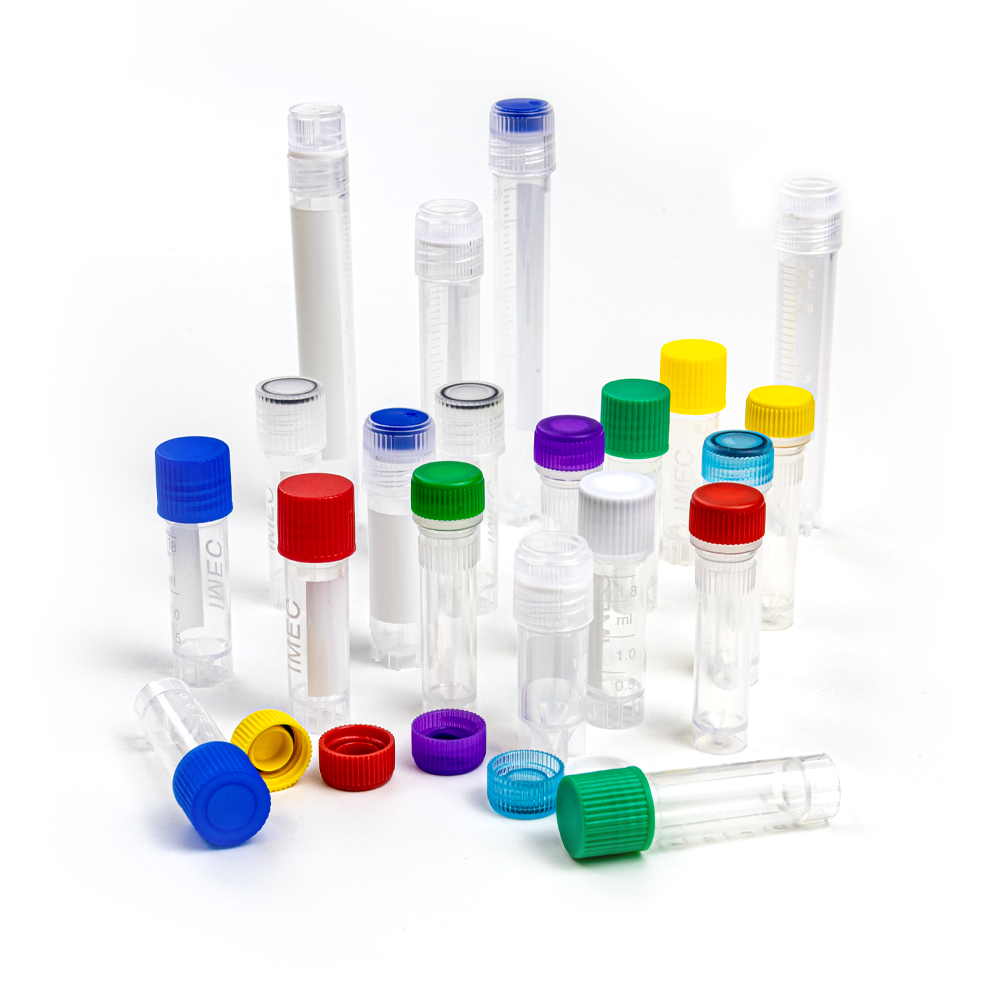
A cryovial tube is a special plastic tube designed for storing biological samples at ultra-low temperatures, usually in liquid nitrogen. Some key features of cryovial tubes include: – Material – Made from polypropylene plastic for durability at freezing temperatures as low as -196°C. Does not become brittle like glass. – Screw cap – Has an […]
Which is more accurate serological pipette or a graduated cylinder?
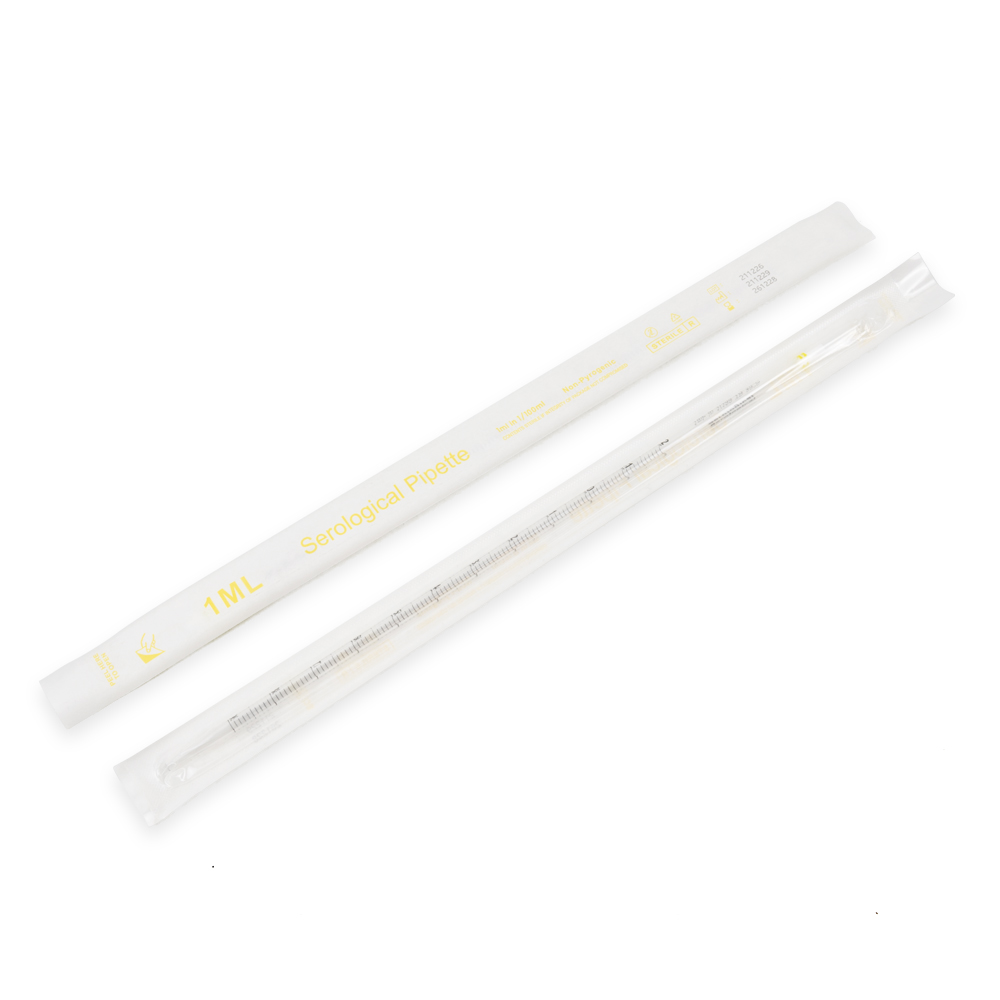
A serological pipette is more accurate than a graduated cylinder for measuring small volumes of liquid. There are a few reasons for this: – Graduations – Serological pipettes have finer gradations, usually in increments of 0.01 mL, compared to 0.1 mL graduations on most graduated cylinders. This allows for more precise volume measurements. – Measurement […]
Is a serological pipette more accurate than a graduated cylinder?
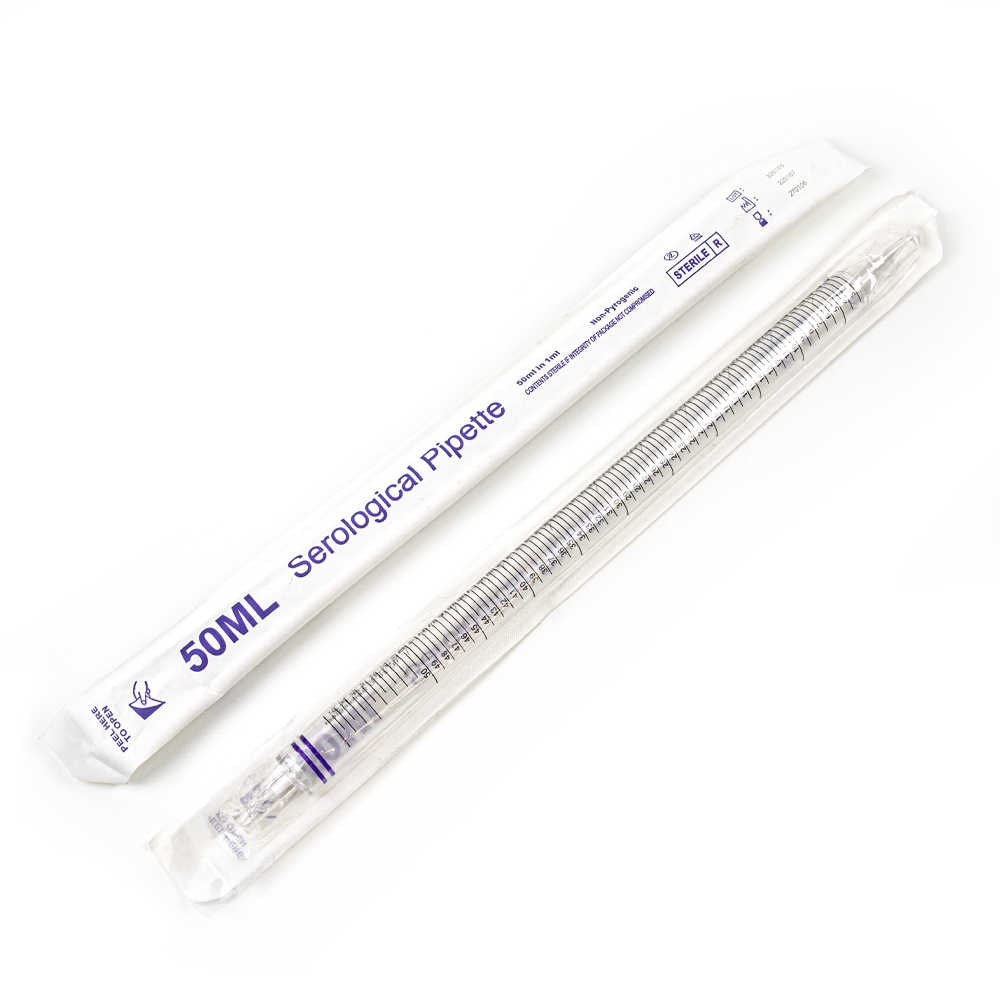
Yes, a serological pipette is designed to provide more accurate volume measurements compared to a graduated cylinder, for a few reasons: – Finer graduations – Serological pipettes usually have 0.01 mL increments, while graduated cylinders are often graded in 0.1 mL increments. The finer scale allows more precise readings. – Narrow bore – The long, […]
How do you measure a serological pipette?
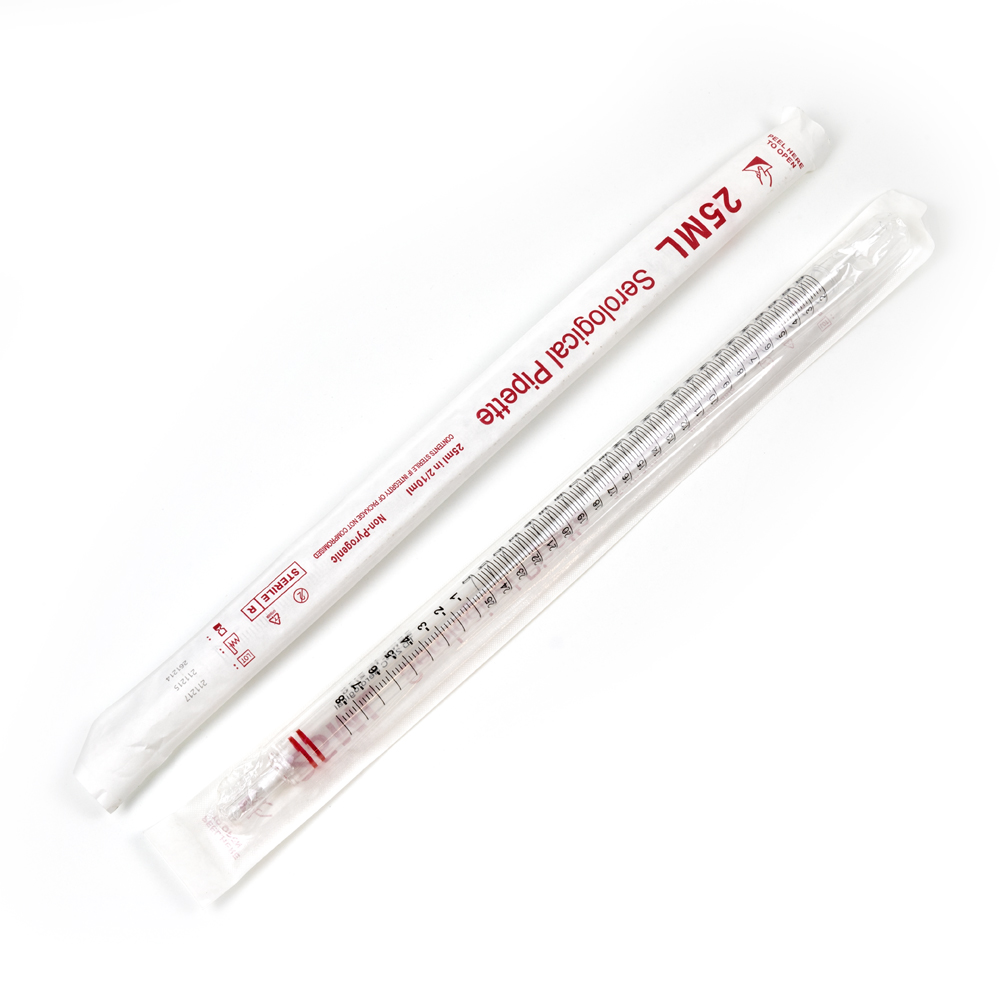
Here are the typical steps to measure liquid volume using a serological pipette: 1. Attach a rubber bulb or pipette pump to the top of the serological pipette. 2. Immerse the tip of the pipette into the liquid to be measured. 3. Gently squeeze and release the bulb to draw liquid up into the pipette. […]