Use Case of Beckman Biomek FX Pipette Tips
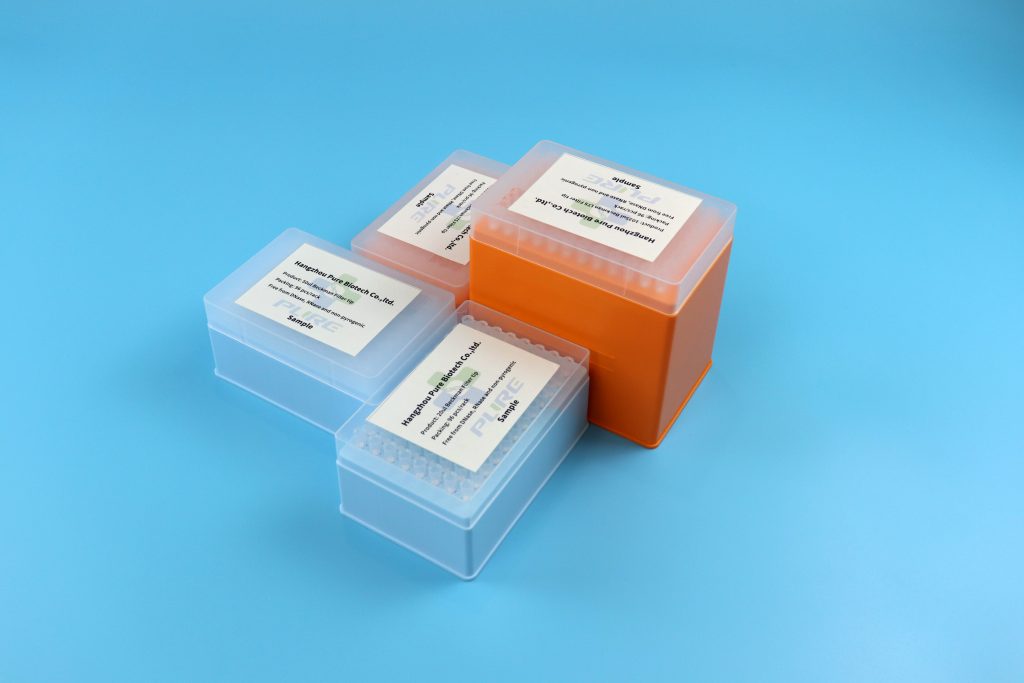
Here are some common use cases for Beckman Biomek FX pipette tips: – Automated PCR setup – The Biomek FX liquid handler can use the tips for fast, parallel distribution of master mixes and samples into 96-well PCR plates. – NGS library preparation – The tips allow efficient handling of small volumes of DNA during […]
Use Case of Agilent Pipette Tip
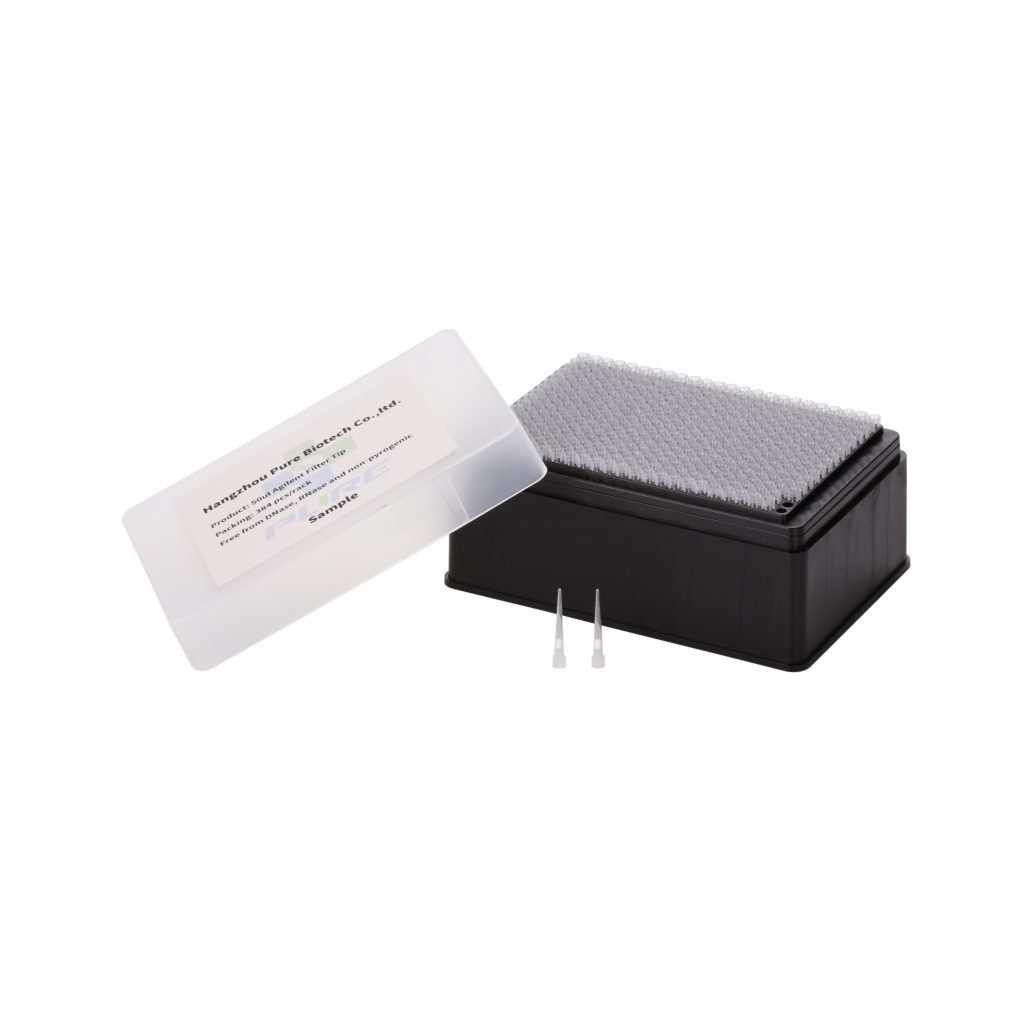
Here are some common use cases for Agilent pipette tips: – Genomic DNA pipetting – Agilent’s wide bore tips allow easy pipetting of viscous genomic DNA samples without shearing the DNA. – PCR setup – The tips provide accurate liquid handling for preparing PCR master mixes and transferring them to the reaction plate. – Next-generation […]
Use Case of 96 Well PCR Plate
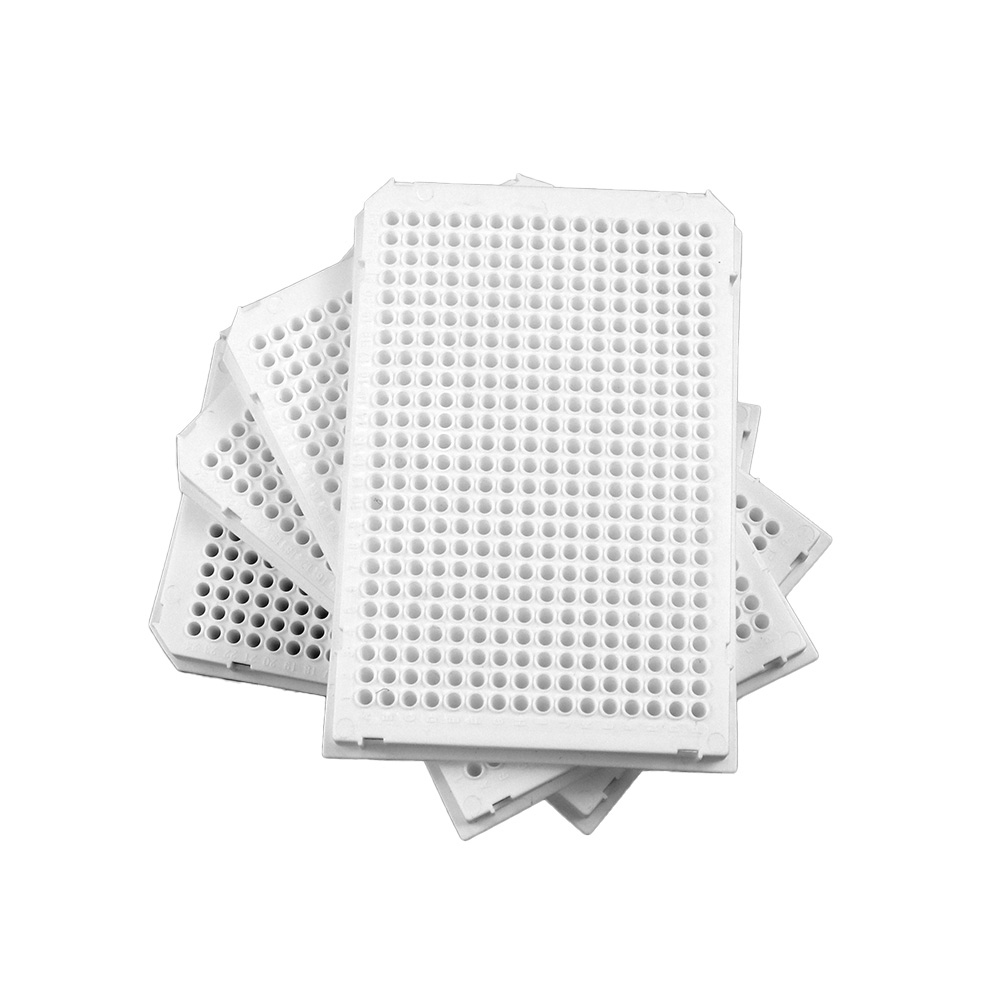
A 96-well PCR plate has many uses in PCR-based experiments and assays: – High-throughput PCR screening or genotyping. The plate allows you to run up to 96 separate PCR reactions for amplifying DNA/cDNA from many samples or conditions. – qPCR/Real-time PCR. The plate format is ideal for quantitative PCR experiments where fluorescence measurements are made […]
Use Case of 8 strip PCR tube
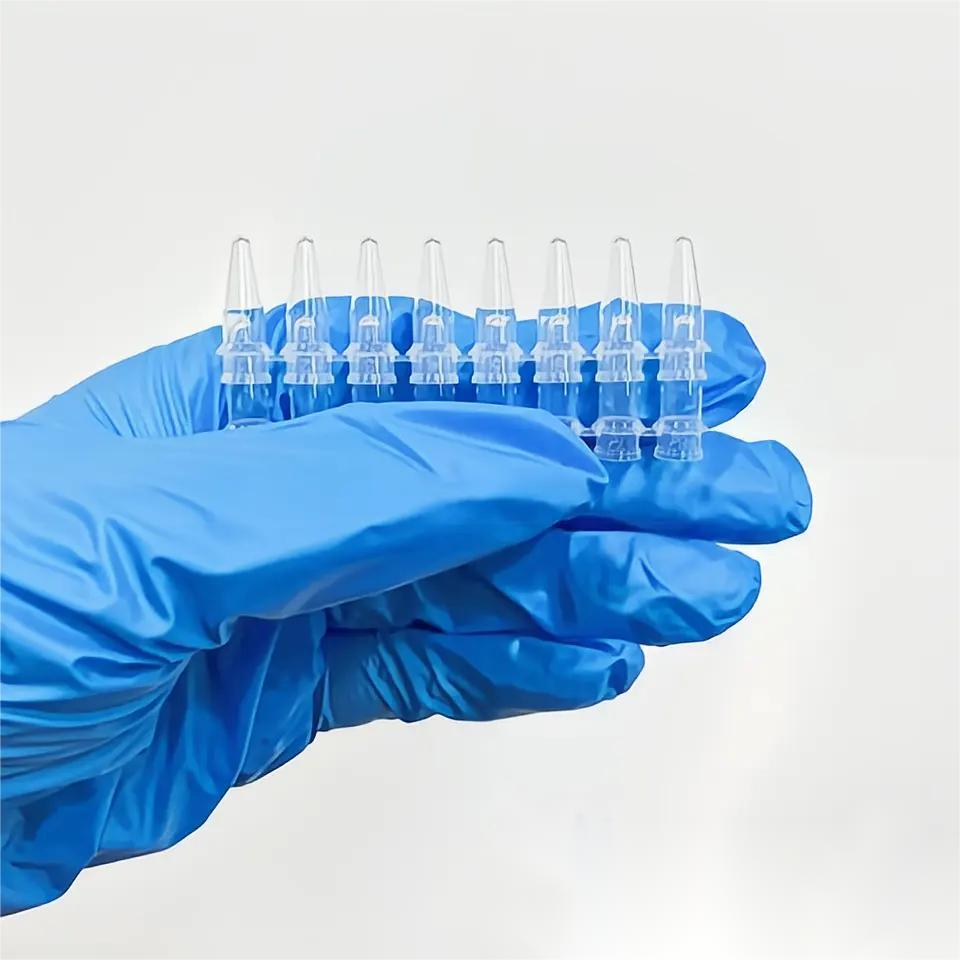
Here are some common use cases for 8-strip PCR tubes: – Running multiple PCR reactions in parallel. The 8 tubes allow you to run 8 separate PCR samples at the same time, which is faster and more efficient than running reactions singly in individual tubes. This is useful for high-throughput PCR applications like genotyping or […]
What is a PETG bottle used for?

PETG (polyethylene terephthalate glycol-modified) bottles are commonly used for a variety of applications: – Food and beverages – PETG is FDA-approved for food contact. Its high clarity makes it great for juices, water, salad dressings, and other items where you want to see the contents clearly. Its low oxygen permeability helps food and drinks stay […]
What is the difference between PET and PETG media bottles?
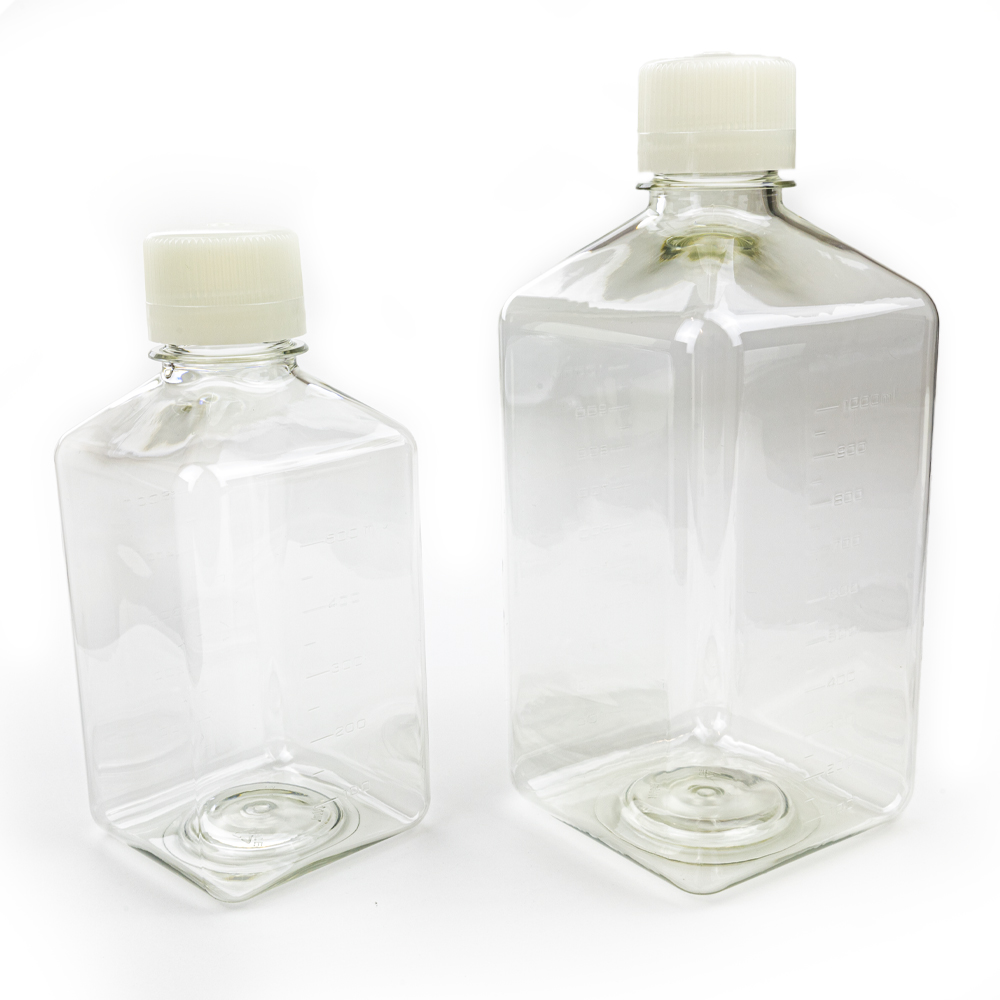
The main differences between PET (polyethylene terephthalate) and PETG (polyethylene terephthalate glycol-modified) plastic bottles are: – Composition – PETG contains glycol modifiers which make the plastic more impact-resistant and transparent compared to regular PET. – Strength – PETG is stronger and less brittle than PET due to the added glycol. It is less likely to […]
What is the difference between PET and glass bottles?
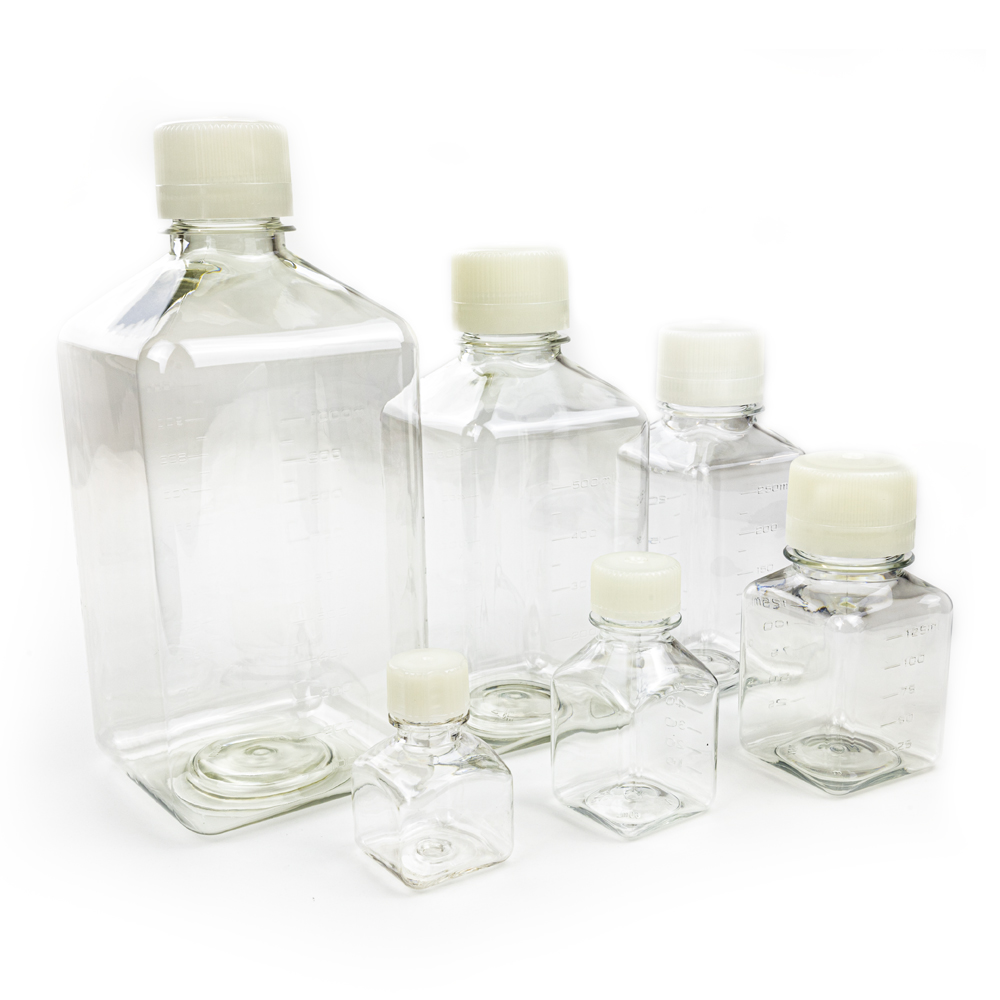
Here are some of the main differences between PET (polyethylene terephthalate) and glass bottles: – Material – PET is a plastic made from petroleum, while glass bottles are made from sand, soda ash, and limestone. – Weight – PET bottles are much lighter than glass bottles. This makes them easier to transport. – Breakage – […]
What is the difference between single-channel and multi-channel pipettes?

The main differences between single-channel and multi-channel pipettes are: – Number of channels – Single-channel pipettes have one nozzle to pipette samples one at a time. Multi-channel pipettes have 8 or 12 nozzles to pipette multiple samples simultaneously. – Volume flexibility – Single-channel pipettes allow aspirating different volumes for each sample. Multi-channel pipettes can only […]
What are the types of single-channel pipettes?
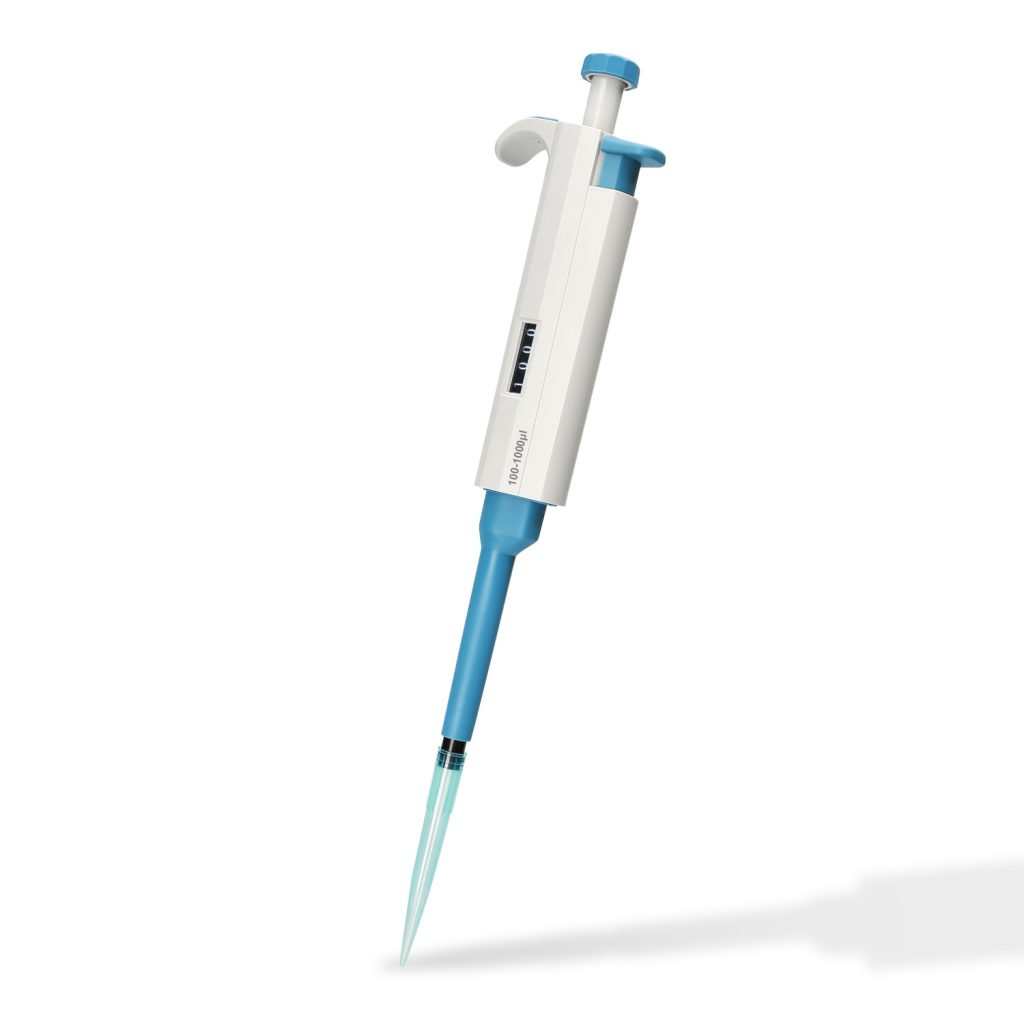
There are several types of single-channel pipettes used in the lab: – Manual pipettes – Require the user to manually aspirate and dispense the liquid using an analog or digital voltmeter and a lever or plunger. Good for general use. – Electronic pipettes – Use an electric motor to control aspiration, dispensing, and tip ejection. […]
How do you use a single-channel pipette?
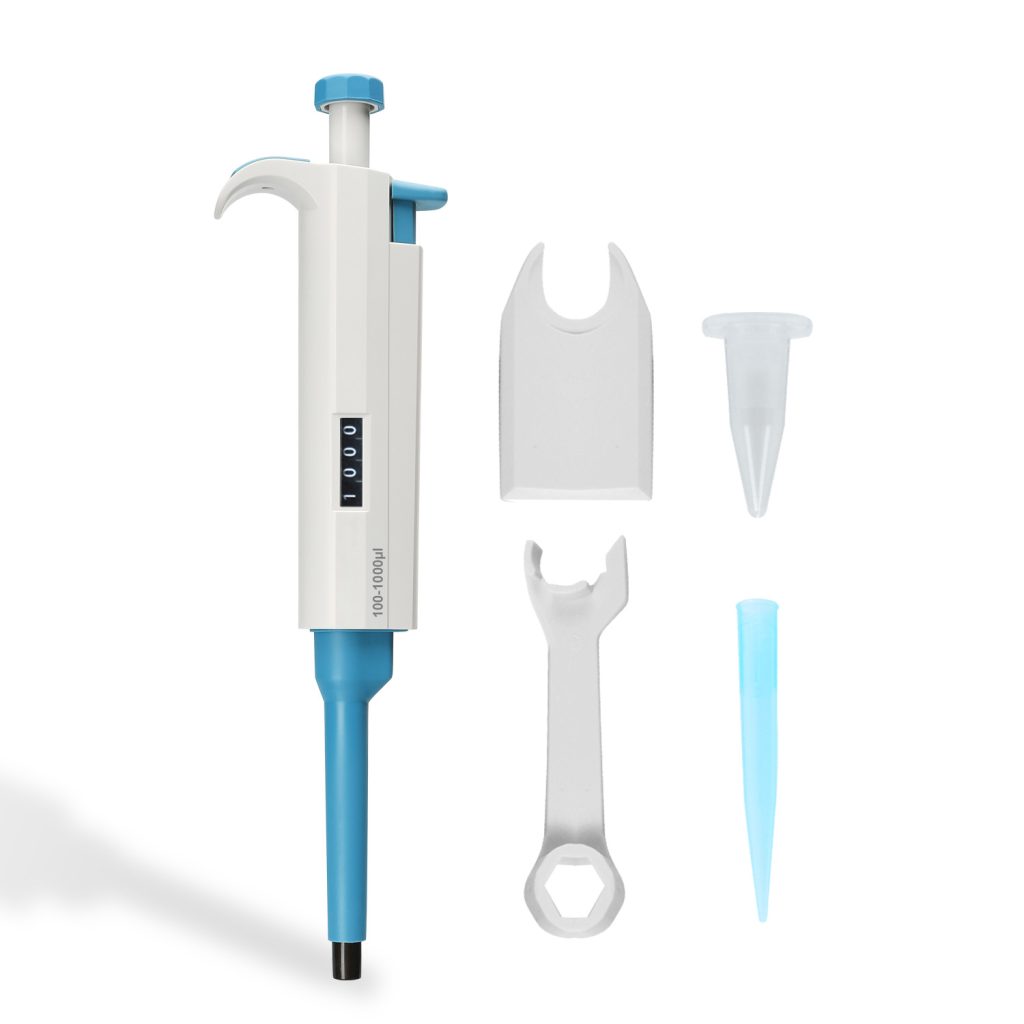
Here are the basic steps to use a single-channel pipette correctly. 1.Select the appropriate pipette tip and firmly attach it to the nozzle. Make sure the tip seals tightly. 2. Set the pipette to the desired volume by turning the dial or using the volume adjustment buttons 3. Firmly depress the plunger to the first […]