
What is universal pipette tips?
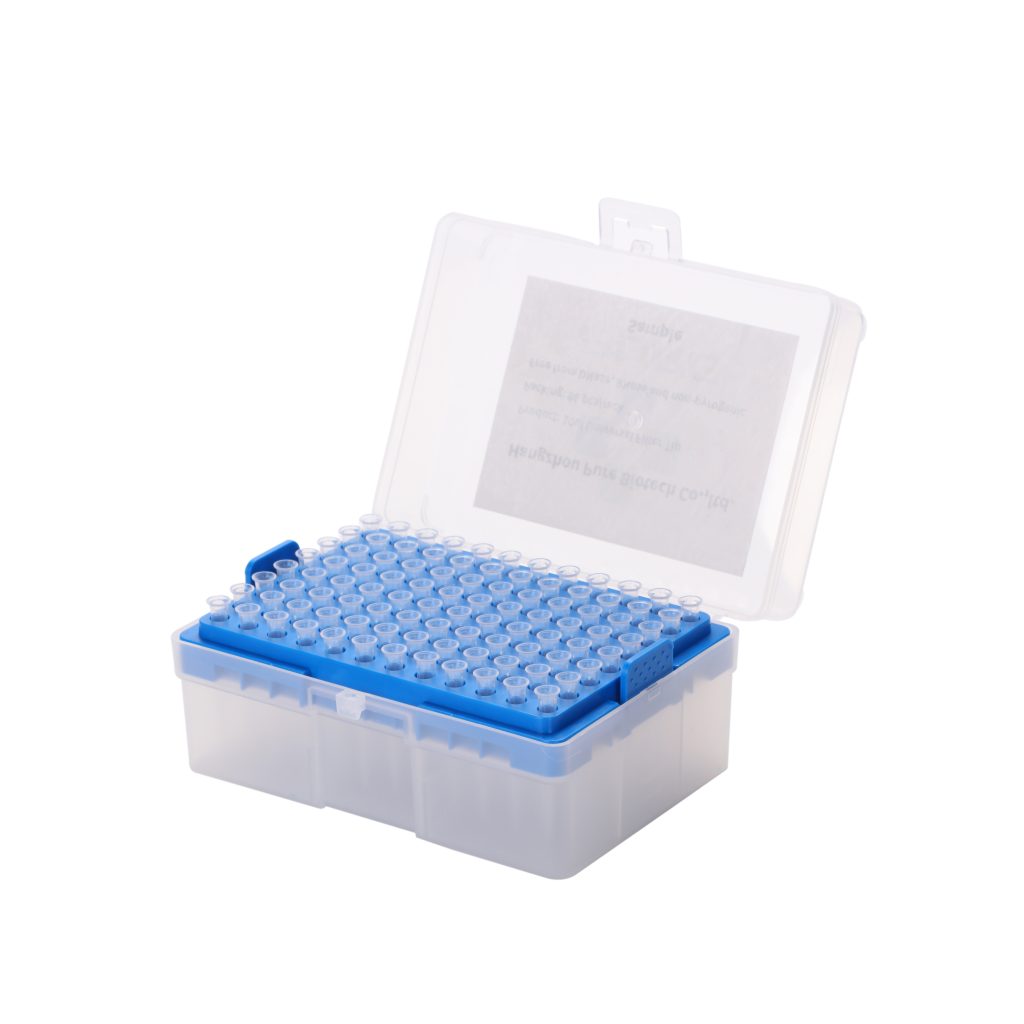
“Universal pipette tips” generally refer to pipette tips that are designed to be compatible with a variety of pipettes from different manufacturers. These tips are intended to fit a broad range of micropipettes, providing versatility and convenience in the laboratory setting. The term “universal” may imply that these tips can be used with pipettes from […]
Which pipette tips to use?
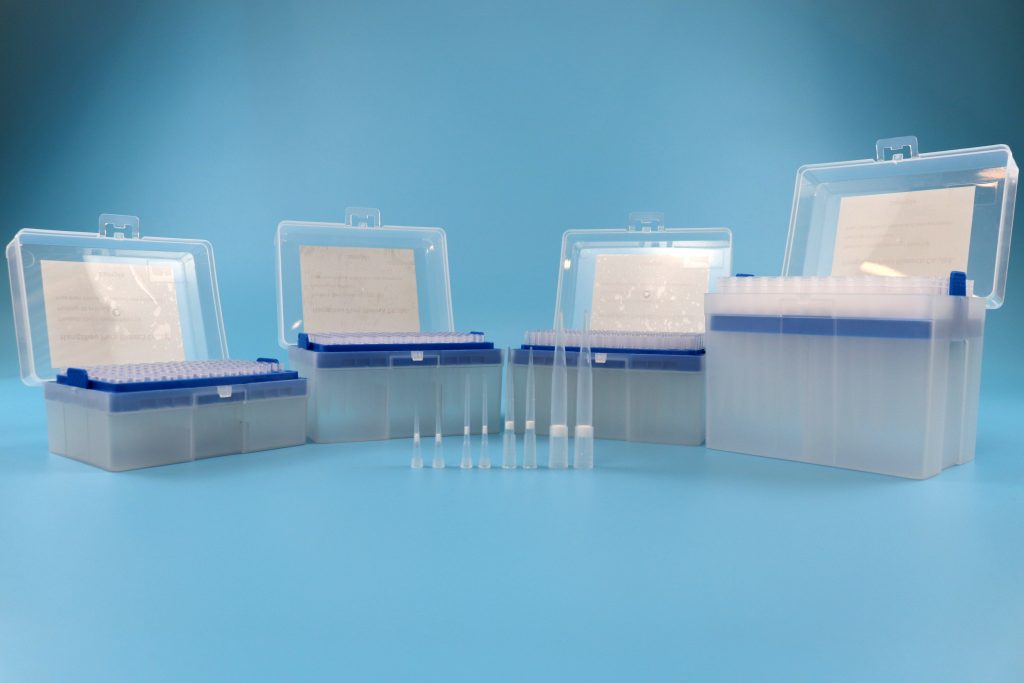
Choosing the right pipette tips is crucial for accurate and precise liquid handling in the laboratory. Here are some general guidelines to help you select the appropriate pipette tips: Match the Pipette Volume Range: Ensure that the pipette tips are suitable for the volume range of your pipette. Pipette tips are typically available in various […]
Do all pipettes use the same tips?
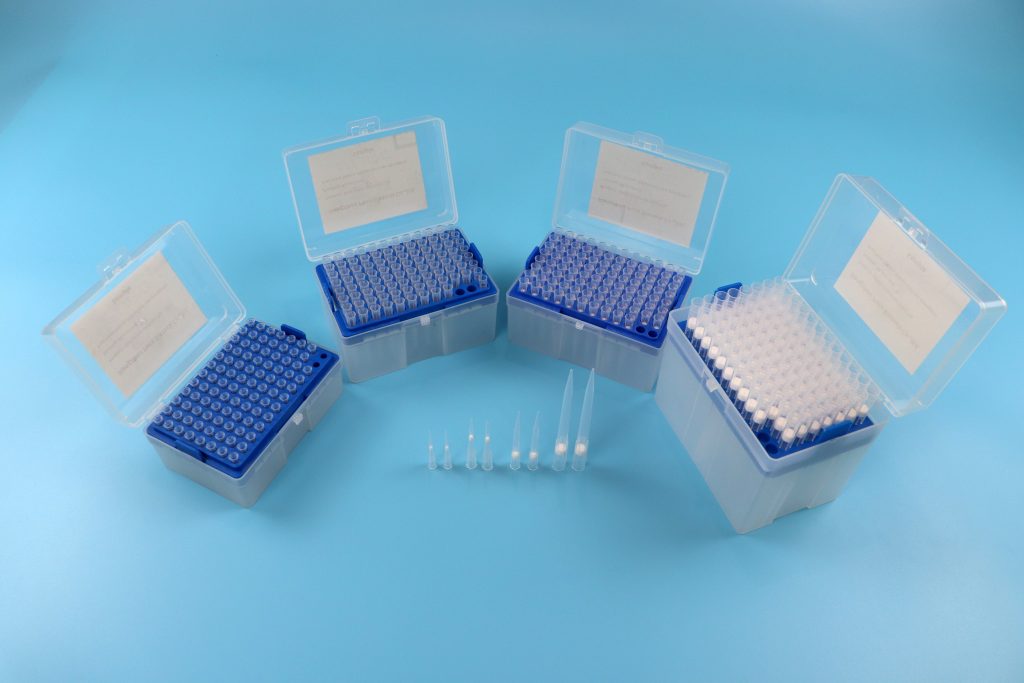
No, not all pipettes use the same tips. The compatibility of pipette tips depends on the design and specifications of the pipette. There are several types of pipettes, and each may require specific tips that match its design and volume range. Here are a few common types of pipettes and their corresponding tips: Micropipettes: These […]
What is the tip of a pipette?
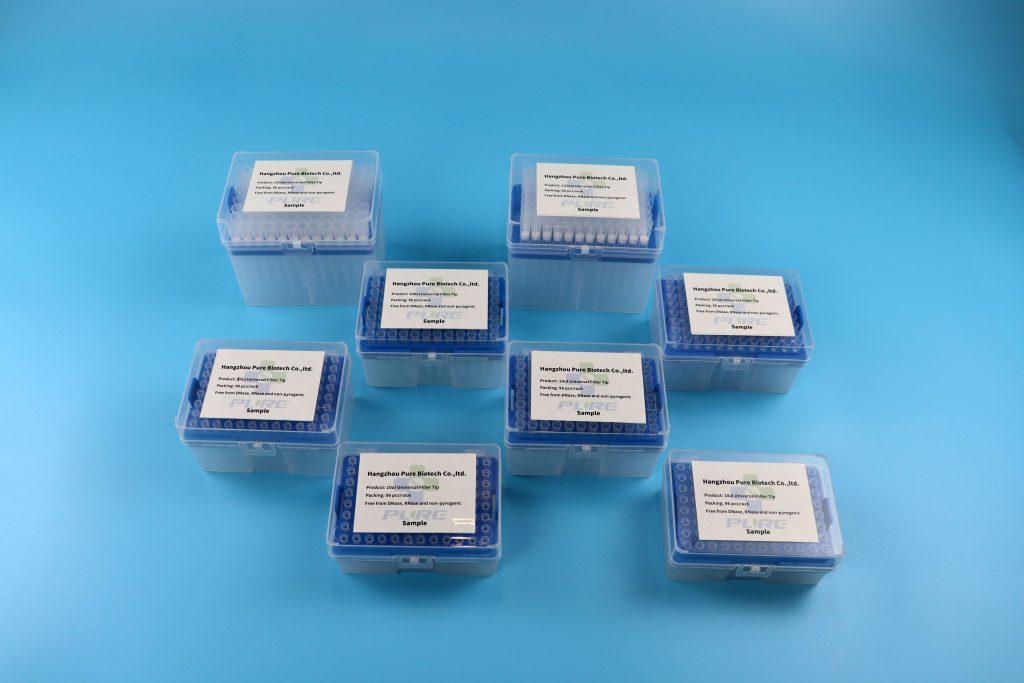
The tip of a pipette is the narrow, tapered end of the pipette used for dispensing or aspirating liquids with precision. Pipettes are commonly used in laboratories for accurate measurement and transfer of small volumes of liquids. There are various types of pipettes, including micropipettes and serological pipettes, each with its own specific design for […]
What is the difference between pipette tips and filter tips?
“Pipette tips” and “filter tips” are terms often used interchangeably, but they can have different meanings depending on the context. Here are the distinctions between the two: Pipette Tips: Definition: “Pipette tips” is a broad term referring to the small, disposable attachments used with pipettes for measuring and transferring liquids in laboratories. Varieties: Pipette tips […]
What does the filter in a pipette tip do?
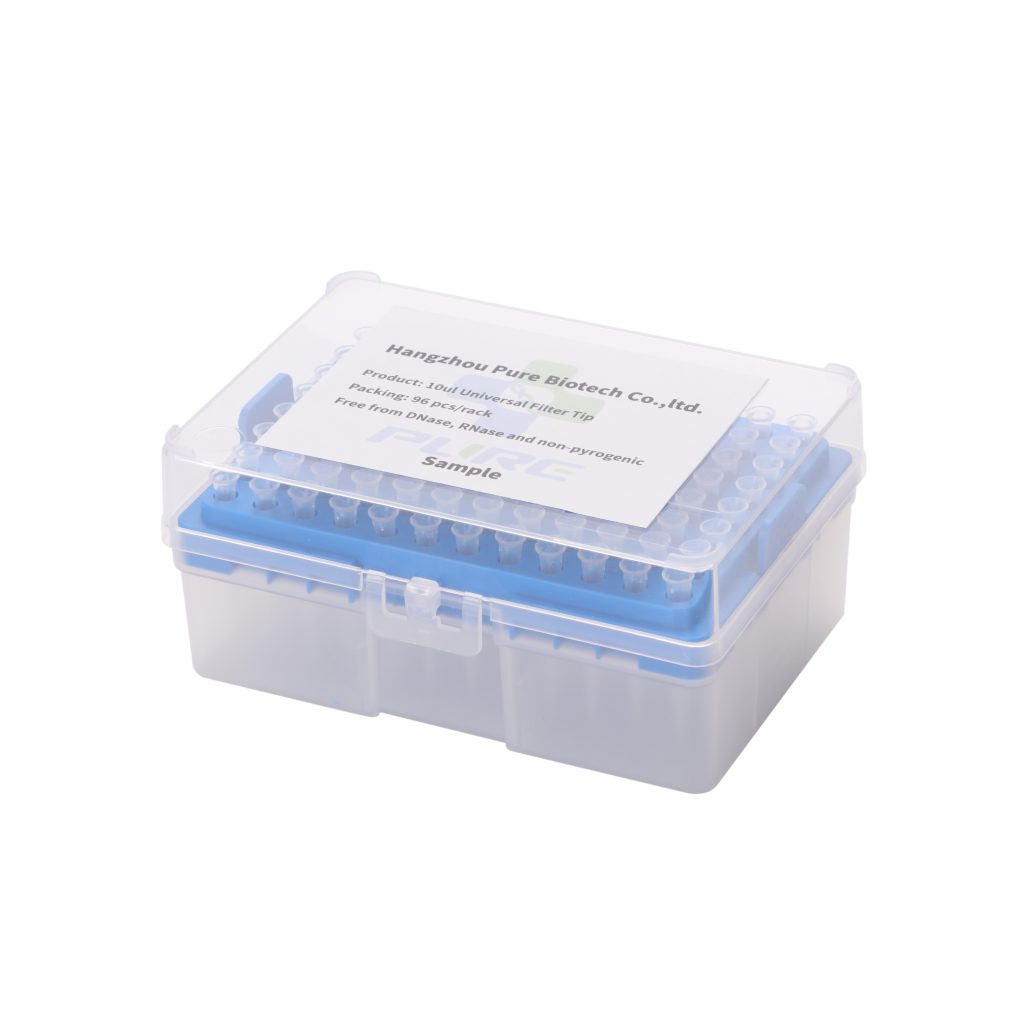
The filter in a pipette tip serves to prevent the contamination of the pipette and sample by aerosols and liquids. This is especially relevant in applications involving sensitive biological samples, PCR (polymerase chain reaction), and other molecular biology techniques. The filter is a physical barrier located at the top of the pipette tip, and it […]
Why do we always need a pipette tip?
Using a pipette tip is a fundamental practice in laboratory work for several important reasons: Accuracy and Precision: Pipette tips are designed to work in conjunction with pipettes, which are precision instruments used for accurately measuring and transferring liquid volumes. The combination of a pipette and a properly fitting pipette tip ensures accurate and precise […]
Why are pipette tips rarely reusable?
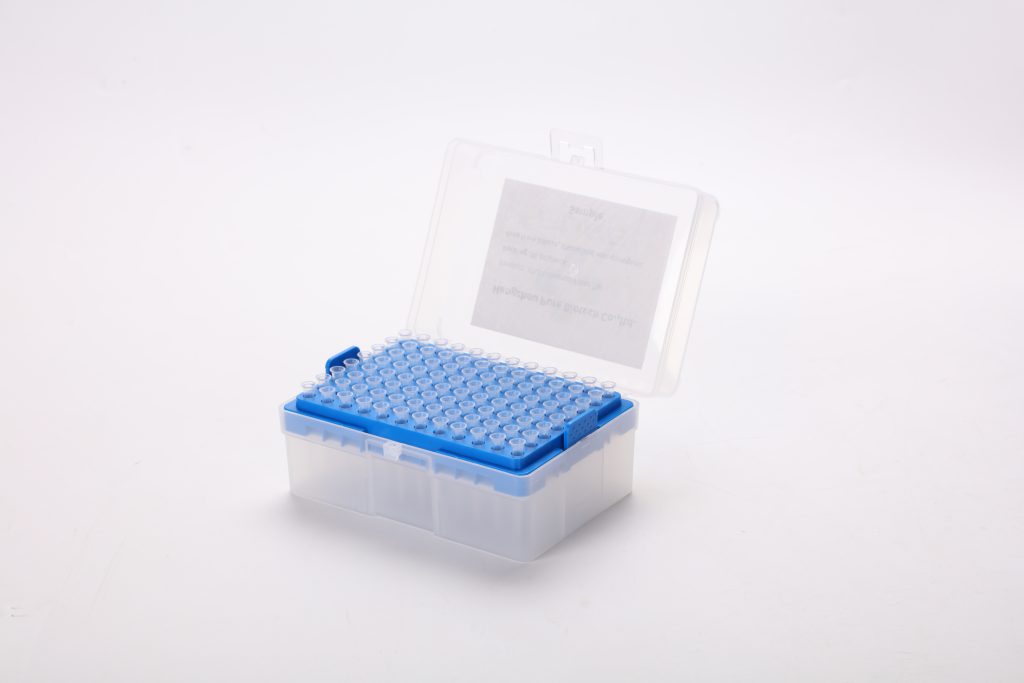
Pipette tips are designed to be disposable for several practical and scientific reasons: Preventing Cross-Contamination: Reusing pipette tips could lead to cross-contamination between different samples. Even with thorough cleaning, there is a risk that trace amounts of the previous sample may remain in the tip, potentially contaminating the next sample. In many laboratory applications, maintaining […]
Are all pipette tips the same
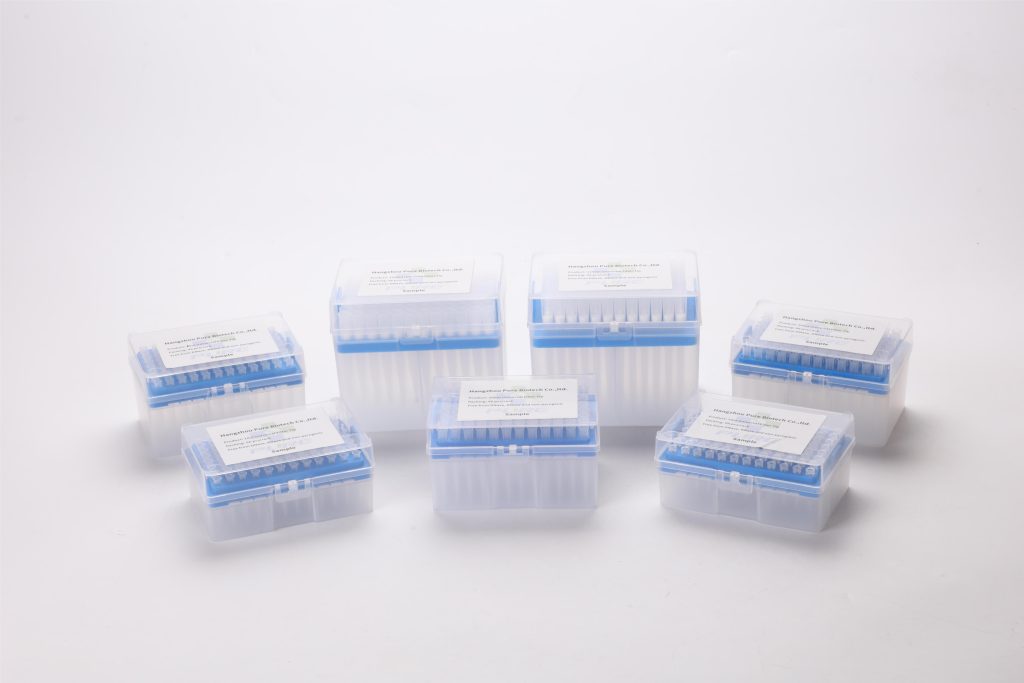
While pipette tips serve the common purpose of facilitating accurate liquid transfer with pipettes, they are not all the same. Pipette tips come in various types, sizes, and materials, and their suitability depends on the specific application and the pipette being used. Here are some key differences among pipette tips: Volume Range: Pipette tips are […]
Is there a pipette tip shortage?
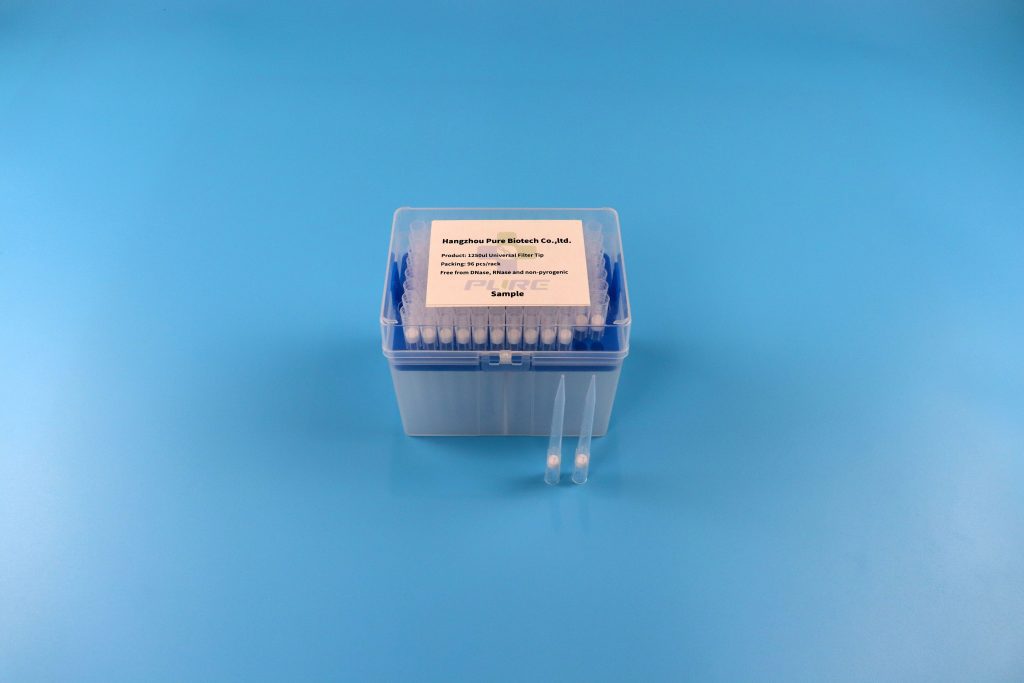
As of my last knowledge update in January 2022, I do not have information on the current status of a pipette tip shortage. The availability of laboratory supplies, including pipette tips, can be influenced by various factors, including global events, manufacturing challenges, and supply chain disruptions. To get the most accurate and up-to-date information on […]