Robotic tips and traditional end-effectors serve similar fundamental purposes in robotic systems: they interact with objects or perform tasks at the end of a robotic arm or system. However, they differ in several key aspects related to their design, functionality, and applications. Here’s a comparison of robotic tips and traditional end-effectors:
### 1. **Design and Functionality**
#### **Robotic Tips**
– **Precision:** Robotic tips are often designed for high precision, making them ideal for tasks that require meticulous control, such as micro-manipulation or delicate handling.
– **Integration:** Tips may integrate sensors and advanced materials to enhance functionality, such as force sensing or adaptability to different object shapes.
– **Miniaturization:** Tips can be miniaturized for tasks requiring high resolution and small-scale operations.
#### **Traditional End-Effectors**
– **General Use:** Traditional end-effectors include grippers, claws, or tools designed for a broader range of tasks, including gripping, pushing, or pulling objects.
– **Simplicity:** They tend to be simpler in design, often without integrated sensors or advanced materials.
– **Bulkier:** Traditional end-effectors can be bulkier and are typically designed for more rugged or heavy-duty tasks.
### 2. **Applications**
#### **Robotic Tips**
– **Micro-Manipulation:** Used in applications requiring extreme precision, such as in electronics assembly or medical procedures.
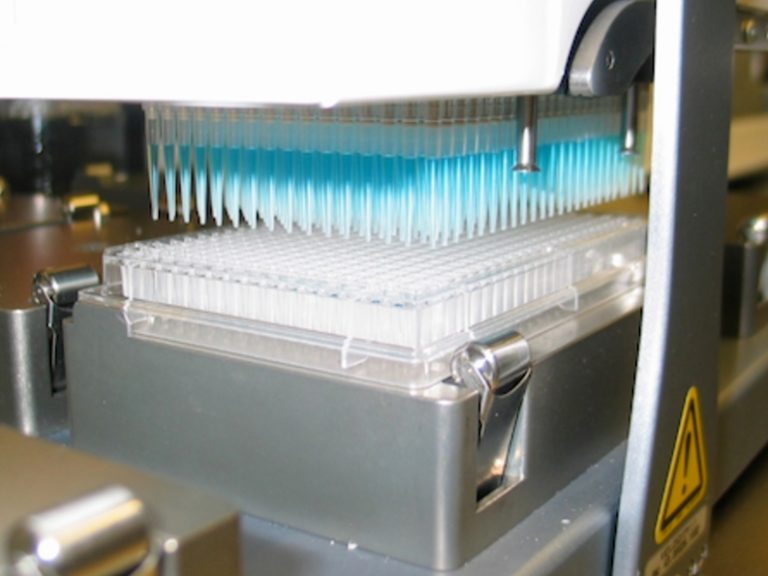
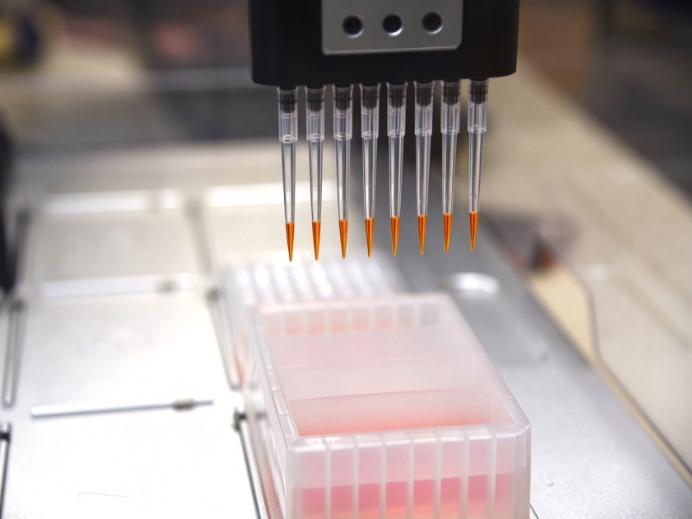
– **Medical and Laboratory Use:** Common in tasks like pipetting, surgical operations, and handling delicate samples.
– **Customizable:** Often tailored to specific tasks, such as dispensing or testing, with specialized designs.
#### **Traditional End-Effectors**
– **Manufacturing:** Commonly used in industrial applications for assembly, welding, or material handling.
– **Automated Warehousing:** Grippers and claws are frequently used for picking, placing, and sorting objects.
– **Heavy-Duty Tasks:** Suitable for applications involving larger or heavier objects where high precision is less critical.
### 3. **Versatility and Adaptability**
#### **Robotic Tips**
– **Specialization:** Designed for specific functions, often with modular or interchangeable designs to adapt to various tasks.
– **Advanced Features:** May include features such as adaptive grippers or integrated sensors that enhance versatility.
#### **Traditional End-Effectors**
– **General Purpose:** Typically designed for a wide range of tasks but may lack the specialization of robotic tips.
– **Adaptability:** Less flexible in terms of adapting to different shapes or tasks without additional modifications.
### 4. **Complexity and Cost**
#### **Robotic Tips**
– **Higher Complexity:** May include complex features such as sensors, smart materials, and advanced actuators, leading to higher development and maintenance costs.
– **Cost:** Can be more expensive due to the advanced technology and materials used.
#### **Traditional End-Effectors**
– **Simpler Design:** Generally simpler and more straightforward, leading to lower complexity and cost.
– **Cost:** Often less expensive compared to specialized robotic tips, especially for basic applications.
### 5. **Performance and Efficiency**
#### **Robotic Tips**
– **High Precision:** Excellent for tasks requiring fine control and accuracy, leading to better performance in specialized applications.
– **Efficiency:** Can improve efficiency in tasks that demand high precision or adaptability.
#### **Traditional End-Effectors**
– **Robust Performance:** Reliable for general tasks and heavy-duty operations, often with faster cycle times due to simpler designs.
– **Efficiency:** Effective for bulk handling and routine tasks, though potentially less precise.
### 6. **Maintenance and Longevity**
#### **Robotic Tips**
– **Higher Maintenance:** May require more frequent maintenance and calibration due to complex features and higher precision requirements.
– **Longevity:** Advanced materials and designs can enhance durability, but the complexity may lead to more maintenance needs.
#### **Traditional End-Effectors**
– **Lower Maintenance:** Generally easier to maintain with fewer components and simpler designs.
– **Longevity:** Typically durable and long-lasting, especially in heavy-duty applications.
Summary of Comparison
| Aspect | Robotic Tips | Traditional End-Effectors |
| **Design** | High precision, advanced materials, miniaturized | Simple, general-purpose, bulkier |
| **Applications** | Micro-manipulation, medical, laboratory | Manufacturing, warehousing, heavy-duty |
| **Versatility** | Specialized, adaptable with advanced features | General-purpose, less flexible |
| **Complexity** | Higher complexity, cost | Simpler design, lower cost |
| **Performance** | High precision, efficient in specialized tasks | Robust, efficient for general and heavy tasks |
| **Maintenance** | Higher maintenance, frequent calibration | Lower maintenance, durable |
Robotic tips offer specialized features and high precision, making them suitable for advanced applications requiring fine control. Traditional end-effectors, on the other hand, provide robust and reliable solutions for a wide range of general tasks, often at a lower cost and complexity. The choice between robotic tips and traditional end-effectors depends on the specific requirements of the application, including the need for precision, adaptability, and cost considerations.