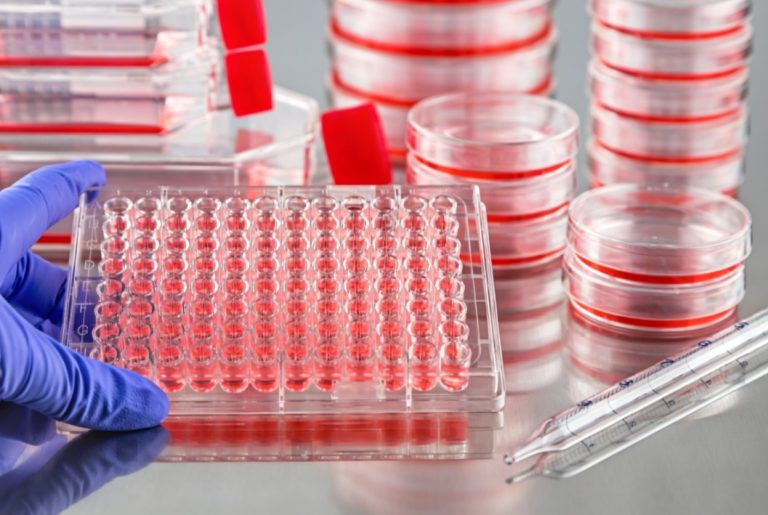
The choice between filtered and non-filtered pipette tips depends on the specific requirements of the application and the need to prevent contamination. Here are the key differences and considerations for each type:
### Filtered Pipette Tips
**Advantages:**
1. **Contamination Prevention**: Filtered tips contain a barrier (usually made of polyethylene) that prevents aerosols and liquid from entering the pipette shaft, thus minimizing the risk of cross-contamination. This is particularly crucial when working with sensitive samples, such as RNA/DNA or infectious agents.
2. **Protection of Pipette**: The filter also protects the pipette’s internal components from contamination, which can prolong the life of the pipette and reduce maintenance costs.
3. **Sterility**: Filtered tips are often provided pre-sterilized, which is important for applications requiring stringent sterility, such as cell culture and clinical diagnostics.
**Disadvantages:**
1. **Cost**: Filtered tips are generally more expensive than non-filtered tips due to the additional manufacturing process required to include the filter.
2. **Potential for Blockages**: The filters can sometimes become clogged, especially when pipetting viscous liquids, which can affect the accuracy and precision of liquid handling.
### Non-Filtered Pipette Tips
**Advantages:**
1. **Cost-Effectiveness**: Non-filtered tips are less expensive than filtered tips, making them a more economical choice for applications where contamination risk is low.
2. **Availability**: Due to their lower cost and simpler manufacturing process, non-filtered tips are generally more readily available and less likely to be in short supply during times of high demand.
3. **Versatility**: Suitable for a wide range of standard laboratory applications where the risk of cross-contamination is minimal, such as routine assays and liquid transfers.
**Disadvantages:**
1. **Contamination Risk**: Without a filter, there is a higher risk of aerosols and liquid contaminating the pipette and subsequent samples, which can be problematic in sensitive or critical applications.
2. **Maintenance**: Non-filtered tips do not protect the pipette’s internal components from contamination, potentially leading to more frequent maintenance and cleaning requirements.
### Choosing the Right Type
The decision to use filtered or non-filtered pipette tips should be based on the specific needs of your application:
– **Use Filtered Tips**: For applications involving sensitive samples, molecular biology techniques (such as PCR), cell culture, clinical diagnostics, and handling hazardous or infectious materials.
– **Use Non-Filtered Tips**: For routine laboratory tasks where the risk of contamination is low, such as general liquid transfers, basic assays, and when working with non-sensitive reagents or samples.
Overall, understanding the advantages and disadvantages of each type of pipette tip can help laboratories optimize their workflow and maintain the integrity of their experiments.