In modern biomedical laboratories, handling liquids forms the basis of nearly every test. However, researchers and procurement staff still mix up the terms pipet, pipette, and micropipette. People often use these words interchangeably at the bench. Selecting the wrong tool or mismatched consumables can affect the consistency of your results over time.
As a leading one-stop manufacturer of comprehensive laboratory and medical consumables — including blood collection tubes, cell culture flasks, cell culture plates, cryovial tubes, PCR series, reagent bottles, swabs, and urine/stool containers — Puretest knows that careful manufacturing directly influences experimental success. This guide explains the real differences between these instruments. It also shows how pairing them with suitable pipette tips supports reliable measurements in daily lab work.
Decoding the Terminology: Pipet vs. Pipette vs. Micropipette
Clearing up the functional and design differences between these terms makes daily lab work and ordering simpler for everyone involved.
The Traditional Pipet: Volumetric and Serological Tools
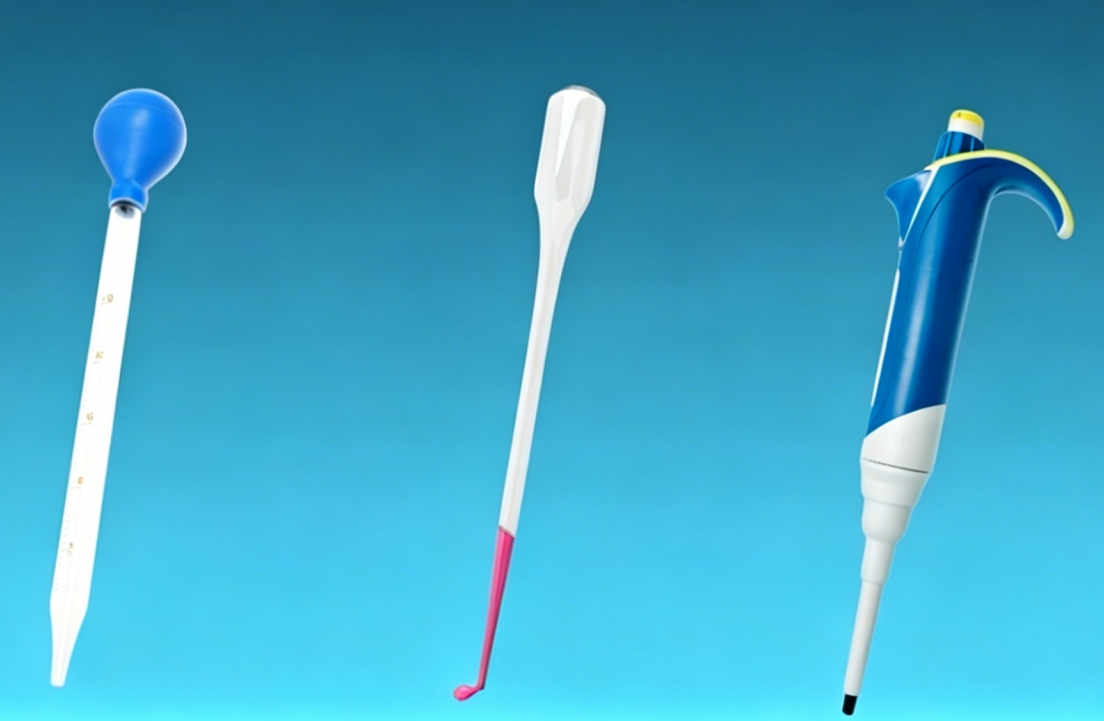
The word “pipet” originally described glass or plastic tubes marked to hold or deliver a fixed amount of liquid.
- Volume Range: These tools handle larger amounts, usually from 1 mL to 100 mL.
- Mechanism: They draw liquid using outside vacuum sources, rubber bulbs, or powered fillers through pressure differences.
- Primary Application Scene: They work well for preparing bulk reagents, moving media inside cell culture hoods, and performing standard chemical titrations where microliter accuracy is not required. In busy labs, technicians reach for these when transferring larger volumes of growth media or buffers without needing fine control.
The Modern Pipette: Ergonomic Manual Liquid Handlers
“Pipette” covers a wider group that includes basic transfer tools as well as those with piston mechanisms.
- Design Variety: Options range from single-channel or multi-channel manual models to electronic versions and simple Pasteur pipettes.
- Mechanism: They move liquids through positive air displacement or direct piston action inside the device.
- Primary Application Scene: You see them often in clinical labs for dividing samples, spreading buffers, and preparing smaller batches of materials. Many routine tests in diagnostic settings rely on these for consistent day-to-day liquid distribution.
The Precision Micropipette: Micron-Scale Accuracy
A micropipette forms part of the air-displacement group. It handles very small volumes.
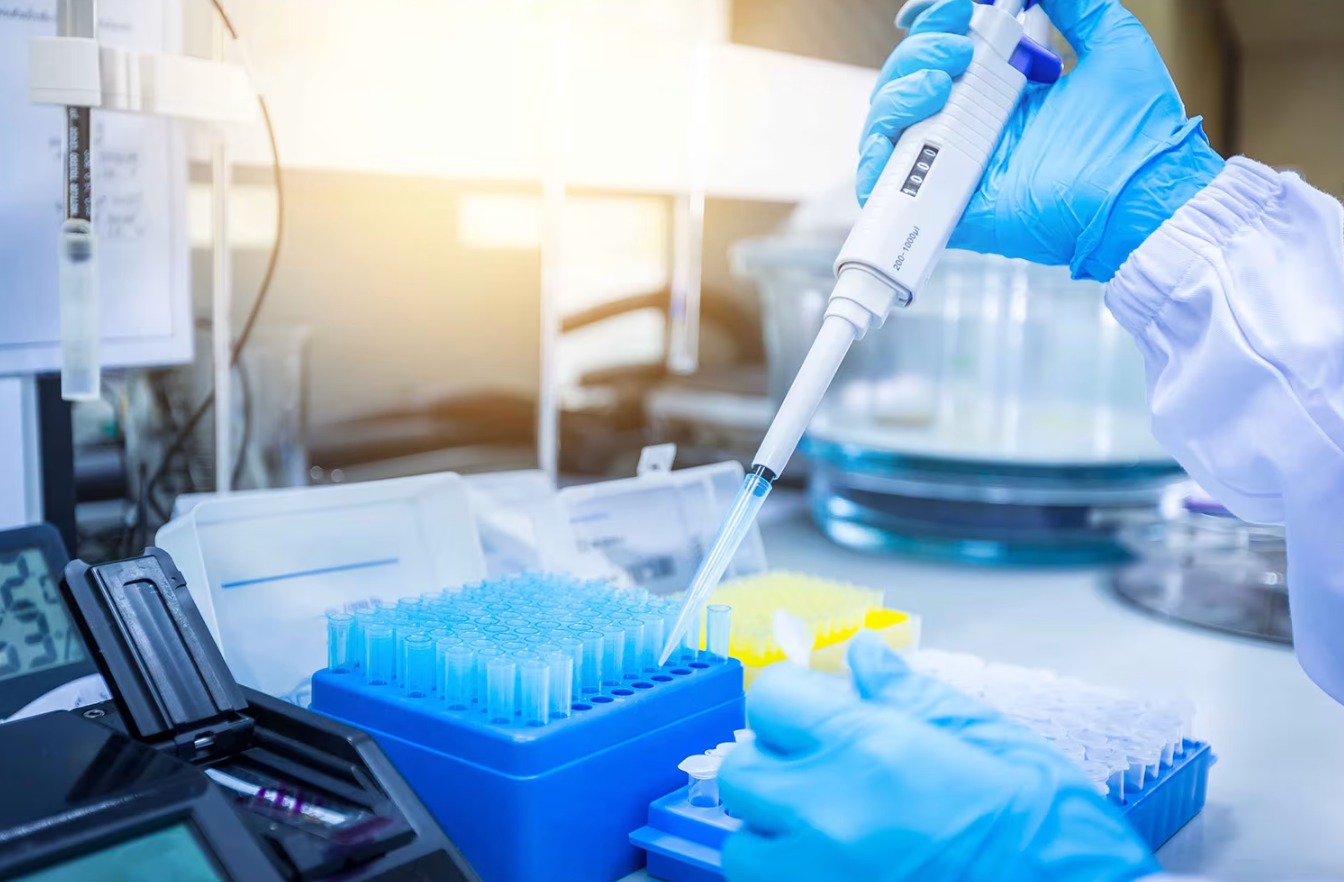
- Volume Range: This tool handles amounts from 0.1 µL to 1000 µL.
- Mechanism: An adjustable spring sits inside with a fine shaft. These parts manage air pressure. Disposable tips come with every use.
- Primary Application Scene: Molecular biology labs depend on them to add DNA into PCR tubes. They also support gene editing work and enzyme mixing. Staff reach for these tools each day when reactions call for exact microliter volumes.
The Critical Role of High-Quality Pipette Tips
The performance of any pipette depends heavily on the tip attached to it. Even the best instrument can lose accuracy if pipette tip does not fit properly or hold liquid correctly.
Enhancing Accuracy with Precision-Engineered Consumables
Lab experience shows that up to 35% of pipetting errors come from tips that fit poorly or deform under heat. These issues cause liquid to stick or leak during transfers.
- Aerosol Contamination Barriers: Without proper filters, tiny droplets can spread between samples. This risk reaches up to 12% in repeated PCR runs and can ruin entire plates of samples.
- Hermetic Sealing: A tight connection reduces air gaps and keeps volume measurements stable, limiting drift to well below 1.5-3.0% in small transfers.
- Material Purity: Medical-grade polypropylene avoids releasing substances that could interfere with enzyme reactions or cell growth during long incubations.
Maximizing Assay Integrity with Puretest Premium Pipette Tips
Puretest produces reliable tips in 15,000-square-meter facilities that meet Class 100K GMP standards. Every batch goes through careful checks to maintain consistent quality.
200 uL Racked LTS – Compatible Pipette Tips (with Filter): Eliminating Aerosol Contamination
For labs using specific ergonomic systems, these racked and filtered tips offer strong protection.
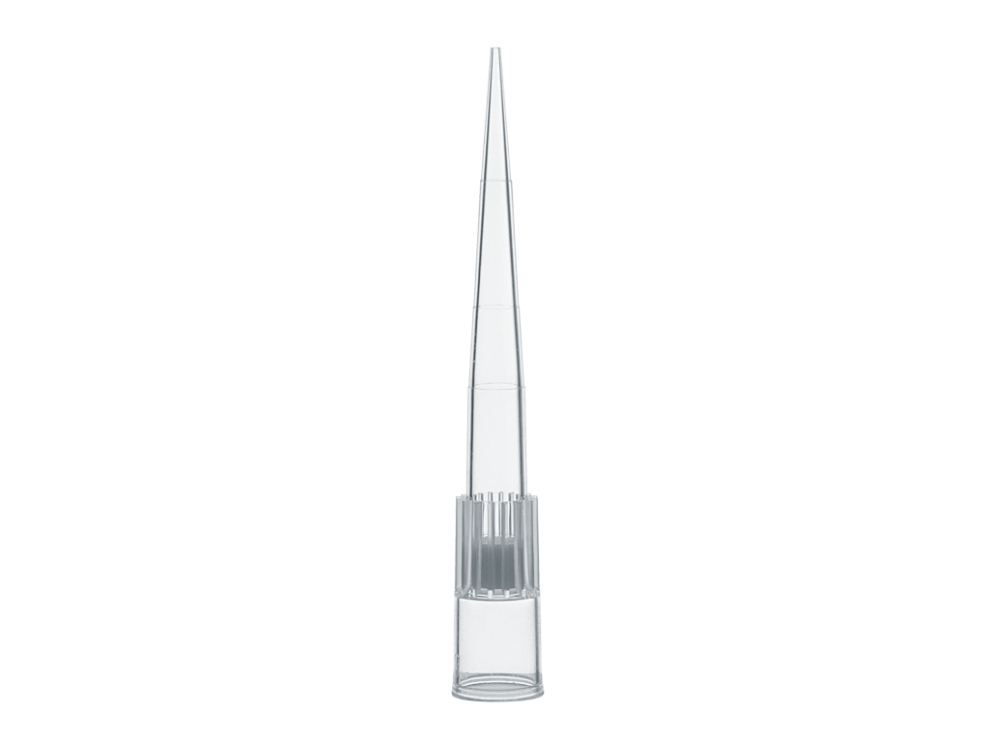
- Aerosol Barrier Protection: The hydrophobic filter stops 99.9% of particles and moisture from reaching the pipette shaft and causing carryover.
- Ergonomic Low-Force Fit: They match LTS-style pipettes and require little effort to attach or remove, which helps reduce hand strain during long pipetting sessions that last hours.
- Target Application Scenarios: They suit qPCR and RNA work where even one small contamination event can lead to false results and wasted time. Many labs report fewer repeat runs after switching to filtered options.
1000 uL Bulk Value Pipette Tips, Blue: Cost-Effective High-Throughput Screening
When labs run hundreds of larger samples each day, keeping costs down while maintaining quality matters greatly.
- Economical Bulk Packaging: These bulk value pipette tipscome in dense bags that lower the price per test for schools and production facilities working under tight budgets.
- High-Clarity Polymer: Made from clean polypropylene, the blue color makes it easy to check volumes quickly during busy periods when speed counts.
- Target Application Scenarios: Diagnostic labs use them for buffer preparation, wastewater testing, and handling larger amounts of stable reagents where high precision is less critical but volume consistency still matters.
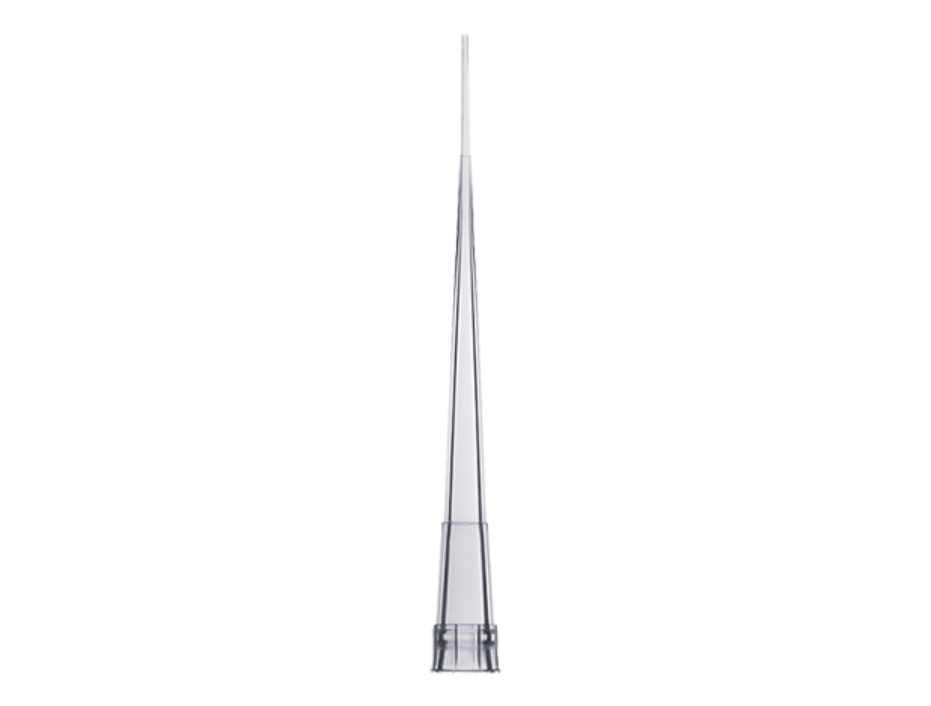
10 uL Round Tip Gel, Racked Pipette Tips: Precision Loading for Electrophoresis
Loading very small volumes into tight gel slots needs tips shaped for the task that standard designs cannot match.
- Ultra-Thin Round Orifice: The long, flexible tip slides into narrow wells without damaging the gel matrix during careful loading.
- Low Retention Surface: Special treatment keeps more sample from sticking inside, so nearly all the DNA or protein reaches the target lane without loss.
- Target Application Scenarios: They fit polyacrylamide and agarose gel work, reducing overflow and cross-lane mixing that can ruin band patterns and force researchers to repeat experiments.
Conclusion
Knowing the practical differences between a pipet, a pipette, and a micropipette helps labs select the correct tool for each task. Yet consistent results also depend on good consumables that protect sample quality throughout the process. From simple media transfers to delicate molecular reactions, the right combination saves time and improves data reliability.
Partner with Puretest to improve your liquid handling setup. As an ISO13485 and CE-compliant manufacturer, we deliver steady quality, competitive prices, and custom OEM/ODM services to meet your research or commercial requirements. Many labs have reduced errors and streamlined workflows after making the switch.
[Contact Puretest today to request free samples and a tailored quote.]
FAQ
Q: What causes liquid to drip out of a micropipette tip during transfer?
A: A loose fit between the pipette and tip often leads to drips. Volatile liquids may evaporate as well. Precision-molded tips like Puretest Universal Tips form a tight seal. Wetting the tip before use also cuts evaporation during transfers.
Q: Why are filtered pipette tips mandatory for molecular biology assays?
A: Filters stop aerosols from reaching the pipette body. These blocks carry over between samples. The step proves vital in qPCR and digital PCR since even small traces can shift results.
Q: How do wide-bore pipette tips protect fragile biological samples?
A: Narrow tips generate shear forces that break DNA strands or harm cells. Wider openings allow genomic material and delicate cultures such as stem cells to pass through without damage.
Q: How often should manual pipettes be calibrated to maintain regulatory compliance?
A: Guidelines usually recommend calibration every three to six months based on frequency of use. Regular gravimetric tests paired with quality tips maintain accuracy through daily runs.