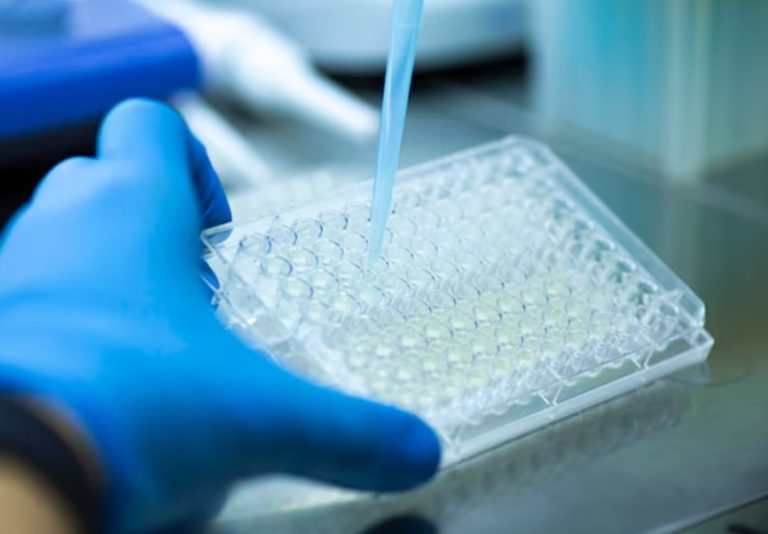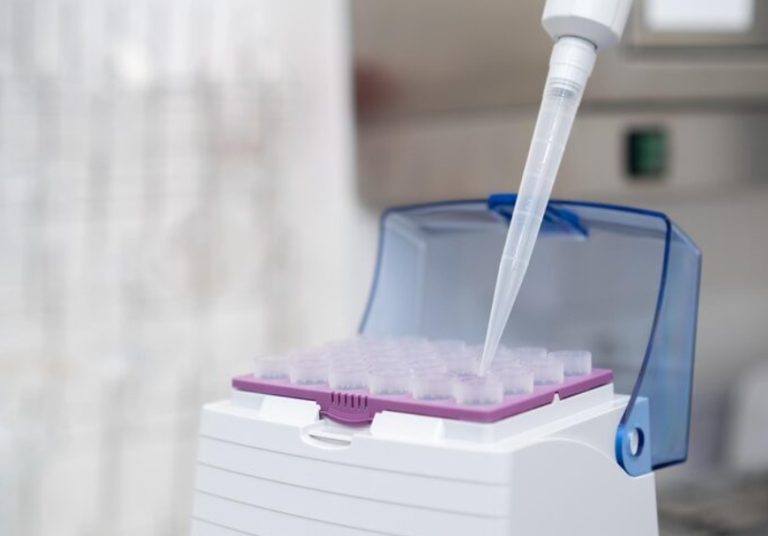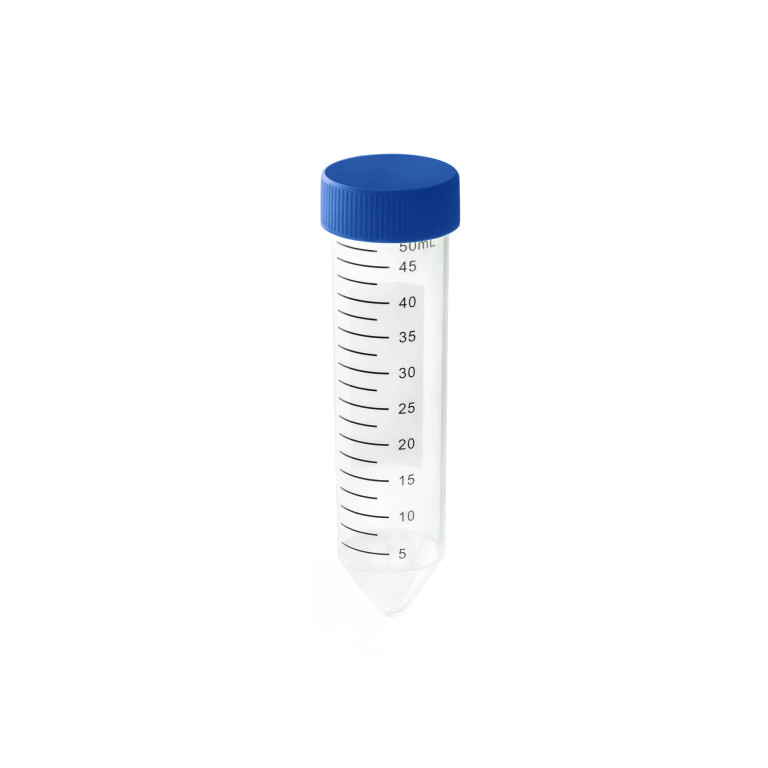
In molecular biology labs, the smallest details in your supplies often decide whether your PCR runs give clean, reliable results or fall apart with poor amplification. Polymerase Chain Reaction remains a core technique in research today, and picking the correct plate matters a great deal.
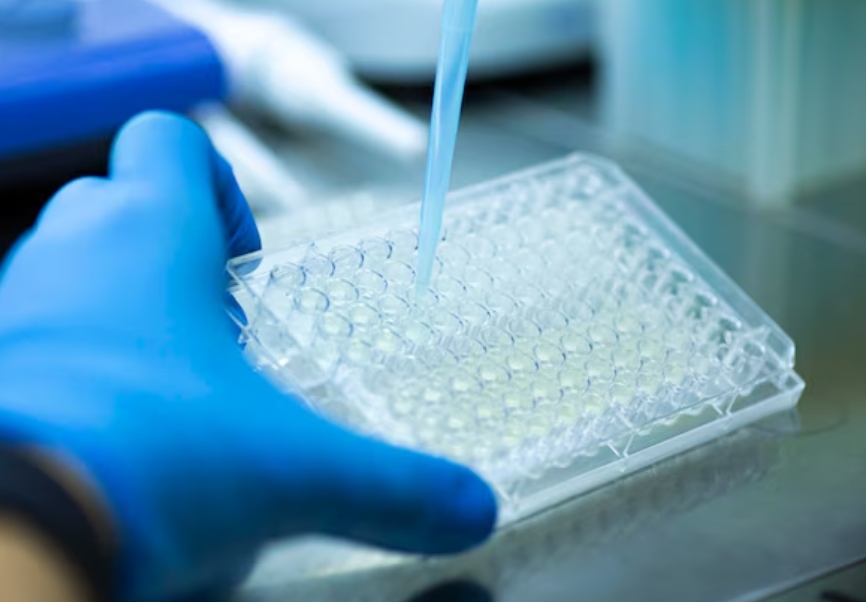
At Puretest, we focus on biomedical consumables—from blood collection tubes through to our PCR line—and we build these items to handle the tough conditions found in labs around the world. Every small volume truly makes a difference.
Understanding PCR Plate Architecture
PCR plates come in various designs because no single version works for every setup. Their physical build affects how well they match thermocyclers, handle automation, and manage sample numbers.
Skirt Formats: Stability vs. Versatility
The skirt refers to the outer frame around the plate. This part adds strength when you move the plate and plays a big role in whether robotic systems can grab it properly.
- Full-Skirted Plates: A complete frame runs along all four sides. Such plates deliver strong mechanical support and suit automated processes best.
- Semi-Skirted Plates: The frame appears shorter along the edges. This setup gives enough firmness for adding labels or barcodes, yet it still fits many different thermocyclers.
- Non-Skirted Plates: No outer frame exists here. These plates adapt easily and can even get trimmed down for smaller blocks, which keeps costs lower in manual work with fewer samples.
Well Volume and Profile
Well size directly influences how heat moves through your reaction mix.
- Standard Profile (0.2 mL): The classic option, with more surface area inside the well. Reaction volumes often reach 100–150 μL without trouble.
- Low Profile (0.1 mL): Shorter wells cut down empty space above the liquid. Less evaporation occurs, so these work particularly well when you run faster PCR cycles.
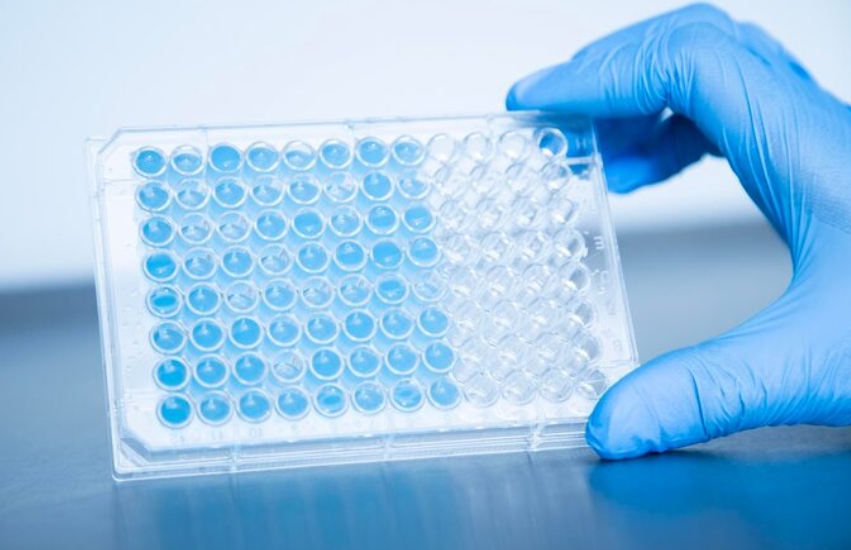
Featured Puretest Solutions for High-Precision Research
Puretest runs more than 100 high-speed fully electric injection molding machines along with a full MES system. That setup helps us keep every plate consistent and up to standard. Here are three key products from our PCR range:
0.1 mL PCR Plate, Full-Skirted (Bio-Rad®-Type)
Labs that rely on high-throughput automation and Bio-Rad®-style thermocyclers often turn to this 0.1 mL PCR plate.
- Features: A solid deck stops warping under heat changes; medical-grade polypropylene keeps DNA from sticking to the walls.
- Advantages: The full skirt keeps the same footprint, so robotic arms grip it reliably every time in liquid handling setups.
- Application Scenario: Common in big genomic screening projects. It deals with the frequent issue of plate bowing—thermal stress bends the plate, causing tips to miss wells or seals to fail during runs.
0.2 mL PCR Plate, Non-Skirted
A practical choice when your lab switches between several thermocycler models and needs something reliable without high cost.
- Features: Thin walls allow quick, even heating; it matches most standard 96-well blocks.
- Advantages: You can cut the plate into strips or smaller pieces depending on how many samples you have that day.
- Application Scenario: Academic groups handling different small-scale PCR experiments find this plate handy. The lack of a skirt means it drops into almost any 0.2 mL block with no extra tweaks needed.
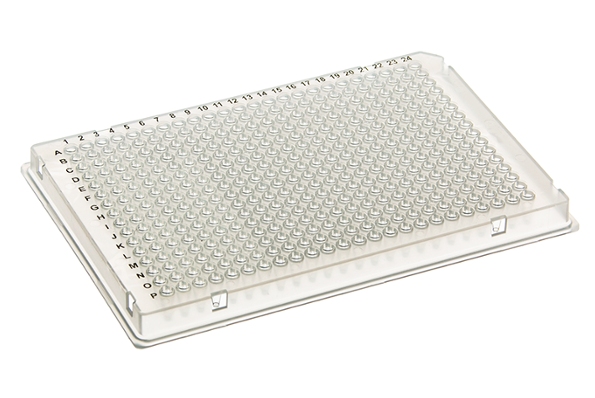
40 uL 384-Well PCR Plate (ABI®-Type)
When you want to pack more reactions into one run and save on reagents, this 384-well plate stands out.
- Features: One notch helps with quick orientation; very thin walls respond fast to temperature shifts.
- Advantages: Reaction volumes drop to 5–20 μL, which brings down expenses per sample noticeably.
- Application Scenario: Routine in qPCR work and SNP genotyping projects. These setups cut reagent bills through smaller volumes, yet fluorescence detection stays sharp and accurate.
Enhancing Accuracy with Data-Driven Quality
A good PCR plate shows its value through steady heat flow and low evaporation during cycling. Studies show that losing even 5% of your reaction volume—from bad seals or uneven walls—can shift Ct values in qPCR enough to cause false negatives.
Puretest addresses these concerns in several ways:
- Class 100K GMP Clean Rooms: Production stays in tightly controlled spaces so plates arrive free of DNase, RNase, and pyrogens.
- Stringent QC Processes: Checks cover dimensions across the plate, plus microbiological tests to confirm uniform wells.
- Optimized Raw Materials: High-clarity polypropylene gives better thermal performance than typical recycled options, based on standard industry comparisons.
Critical Application Scenarios: Where Performance Matters
Molecular Diagnostics and Pathogen Detection
In diagnostic labs testing for viruses like COVID-19 or influenza, consistent results across every well count heavily. Plates need even heat so all samples hit the right denaturation point. Puretest plates reduce edge effects—those outer wells that heat differently from the middle—and help keep outcomes steady, whether you run 96 or 384 samples.
Forensic Science and Trace DNA Analysis
Forensic work often starts with tiny DNA amounts. Any loss to the plastic surface or trace contamination can destroy evidence. Our low-protein-binding polypropylene maximizes what you recover from the sample, which helps avoid gaps in data when templates sit very low.
Why Partner with Puretest?
Hangzhou Puretest Biotech Co., Ltd. started in 2017 and has grown into a reliable name in the biomedical field. Our 15,000-square-meter facility holds ISO13485 and CE certification, and more than 25% of our team works in R&D. We supply standard items as well as custom ODM/OEM options, all at reasonable prices.
Ready to improve your lab setup?
- Explore our full PCR Series: [Browse Products]
- Request Free Samples: We send samples at no charge (you cover shipping) so you can test the quality yourself.
- Get a Custom Quote: Our staff can discuss your exact needs for volume or design.
Reach out today at sales@biopuretest.com or through WhatsApp at +86 151 6712 9685. We look forward to working with you at Puretest!
FAQ
Q: How does the plate “skirt” type affect compatibility with different thermocyclers?
A: The skirt decides whether the plate seats correctly in a machine’s block and if robots can handle it. Full-skirted versions perform best in automated lines, whereas non-skirted ones fit most manual thermocyclers without issues.
Q: Why is “low profile” (0.1 mL) often recommended for qPCR?
A: Low-profile wells sit shorter, so less air remains above the mix. That change cuts evaporation and limits condensation on the walls, which leads to steadier fluorescence readings across cycles.
Q: Can PCR plates be reused if they are properly cleaned?
A: No, these plates are single-use only. Cleaning and reusing them raises the chance of carryover contamination, and repeated heat cycles weaken the material, which risks your results.
Q: What is the significance of “white” vs. “clear” wells in PCR plates?
A: Clear wells serve standard PCR fine. White wells suit qPCR better—they bounce fluorescence back toward the detector, cut down on signal bleed between neighboring wells, and improve overall sensitivity.