The High-Stakes Timeline of Modern Drug Discovery
Modern drug discovery takes many years and runs up big bills. Moving a candidate from the first target work to clinical tests often takes 10 to 12 years and more than $1.5 billion. Small delays in target work or high-throughput screening add up fast in later stages.
Research teams put most effort into assay setup, enzyme behavior, automation tools, and model quality. Yet one basic item in the lab—high-performance PCR consumables—can create unexpected trouble. Plates, tubes, caps, and sealing films shape heat movement, evaporation control, fluorescence reads, and contamination risk.
The High Cost of Assay Reruns in High-Throughput Screening
Assay problems that appear early in screening push up costs and push back decisions.
- Hidden rerun costs: Small differences from consumables often force labs to repeat runs. This raises reagent use, machine time, and staff hours.
- Baseline stability: Early assays need steady baselines with low noise. Real biological hits then stand out instead of getting lost in background from the plasticware.
- Quality-controlled consumables: As a trusted molecular biology consumables manufacturer, Puretestsupplies specialized PCR consumables that cut differences in structure, optics, and contamination risk during high-throughput work.
Rethinking the Role of Everyday PCR Consumables
Minor physical flaws in plastic consumables can create large experimental problems.
- Automation compatibility: Robotic liquid handling systems need plates that hold precise dimensions, steady rigidity, and uniform well geometry so that laboratory automation runs without interruption.
- Workflow protection: Strict PCR quality control applied at the consumable stage helps safeguard the reliability of the full molecular biology workflow.
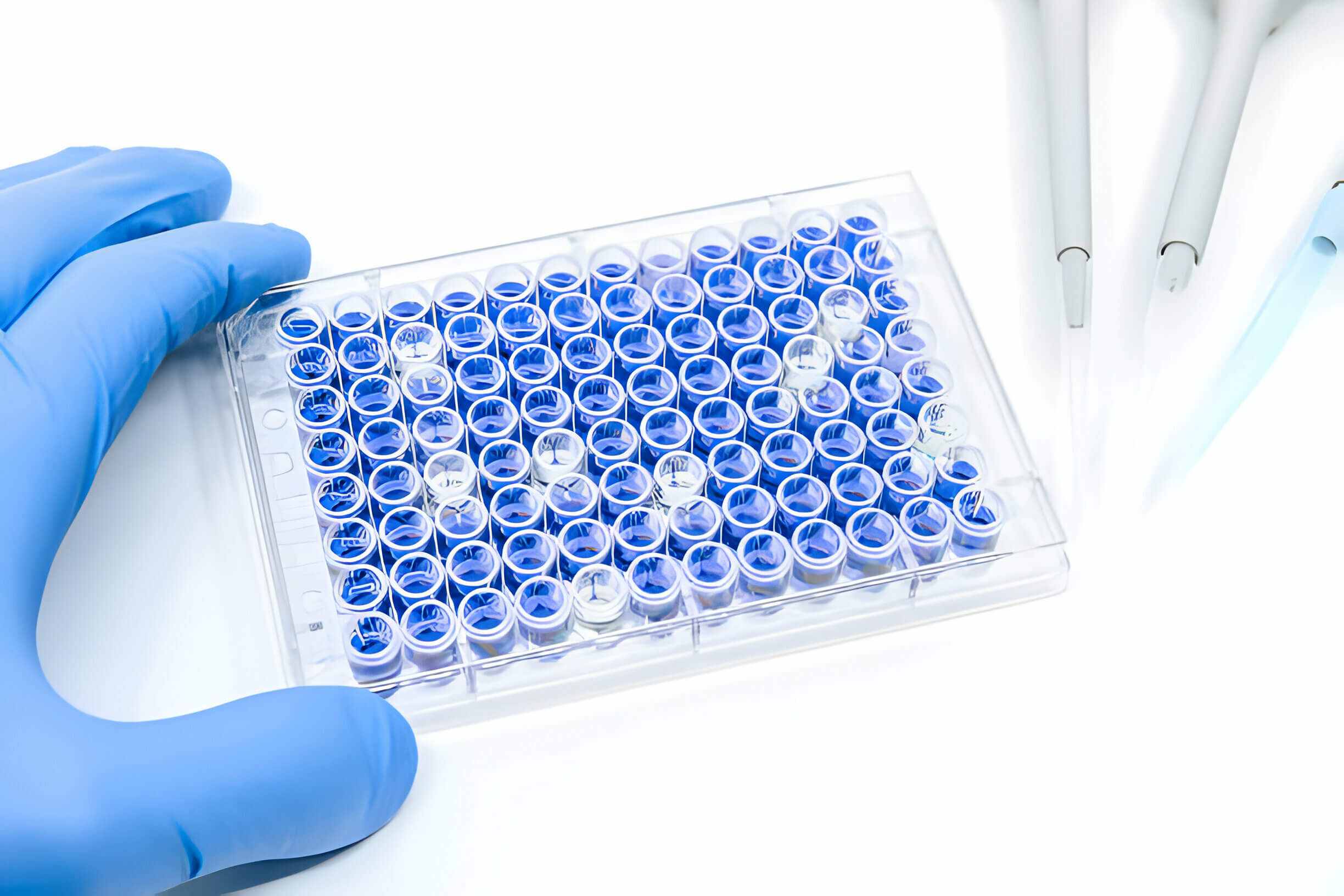
How Consumable Failures Delay the Drug Discovery Pipeline
Unnoticed shortcomings in labware introduce hidden variables into PCR and qPCR assays. These problems can damage data quality, force reruns, and slow the move from target validation to hit confirmation.
Thermal Inconsistency and the Edge Effect Problem
Uneven heat movement across PCR plates can warp real-time quantification results.
- Wall thickness variation: Uneven well walls produce differences in thermal conductivity, so outer and inner wells heat and cool at different speeds and prevent good thermal uniformity.
- Amplification bias: Even slight temperature gaps across a thermal cycler block can alter amplification efficiency and shift quantitative baselines.
- False screening outcomes: Thermal inconsistency may make weak but real biological hits look negative and therefore postpone candidate selection.
Sample Evaporation and Optical Crosstalk
Weak sealing and lower-grade optical materials can distort fluorescent signals during high-throughput PCR work.
- Micro-evaporation: Small volume loss across 40-cycle PCR runs raises reactant concentration and moves Cq values.
- Seal failure: Poor caps or films let edge wells lose volume faster and create systematic bias tied to plate position.
- Optical interference: Polymers with high autofluorescence or cloudy caps can scatter light between wells and hide low-abundance targets.
Chemical Leachables and Biological Contamination
Uncertified plastics interfere with enzymatic amplification and reduce sample quality.
- Chemical inhibition: Non-virgin resin or unapproved mold-release agents release trace compounds. These slow polymerase activity.
- Template degradation: DNase, RNase, human DNA, or endotoxin contamination damages sensitive samples. This makes results invalid.
- Sample loss risk: In drug discovery, failed assays consume rare patient-derived materials, custom libraries, or costly reagents. Such materials prove hard to replace.
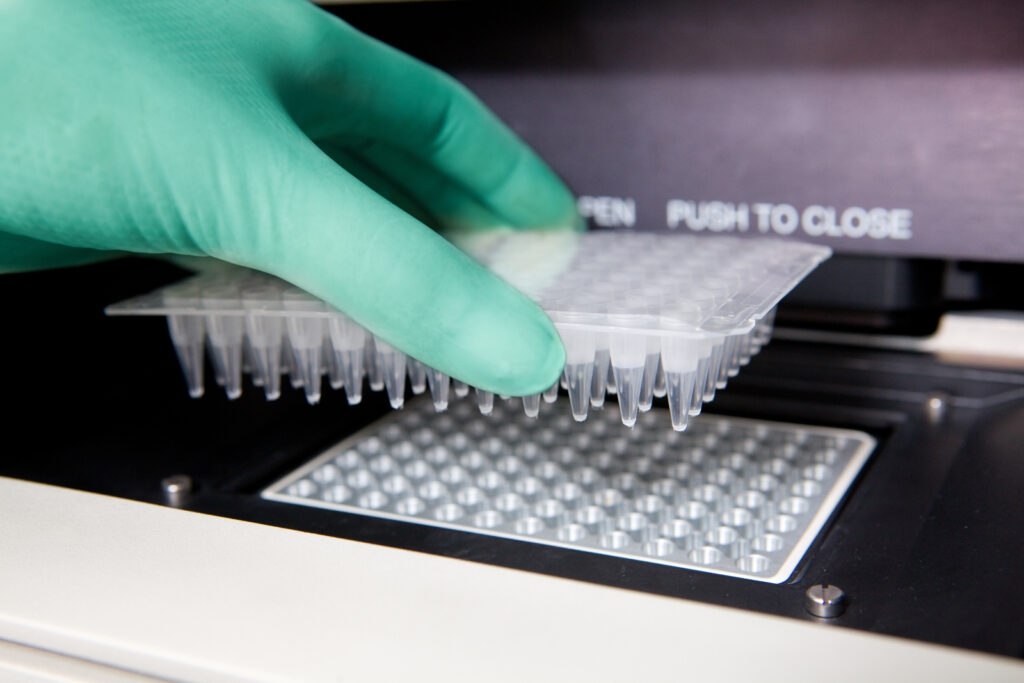
Precision Engineering: Puretest Solutions for High-Throughput Workflows
As a premier laboratory plastic consumables supplier and PCR plate supplier, Puretest supports demanding molecular biology work with PCR plates, tube strips, and sealing films made for consistency, automation fit, and steady assay performance.
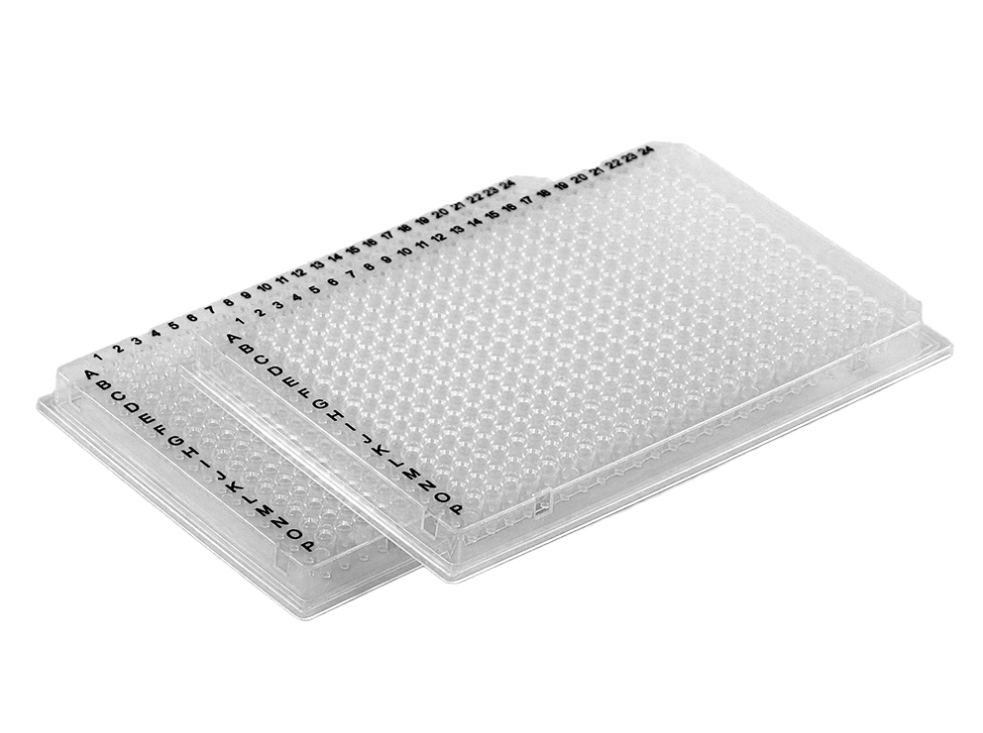
High-Rigidity PCR Plates for Laboratory Automation
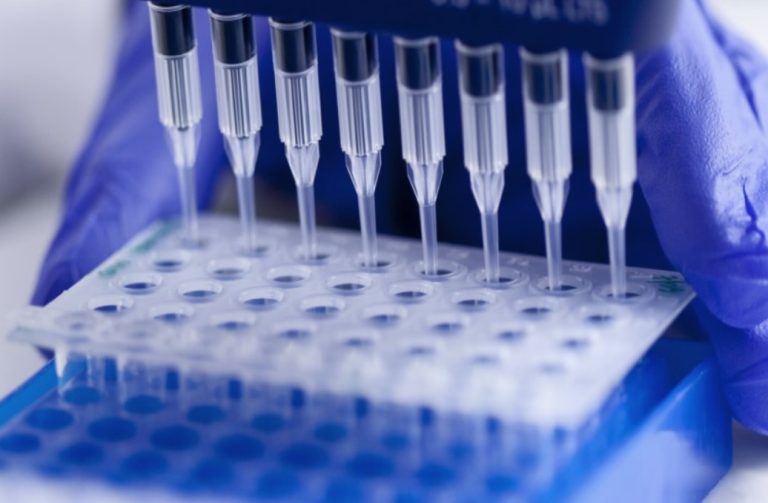
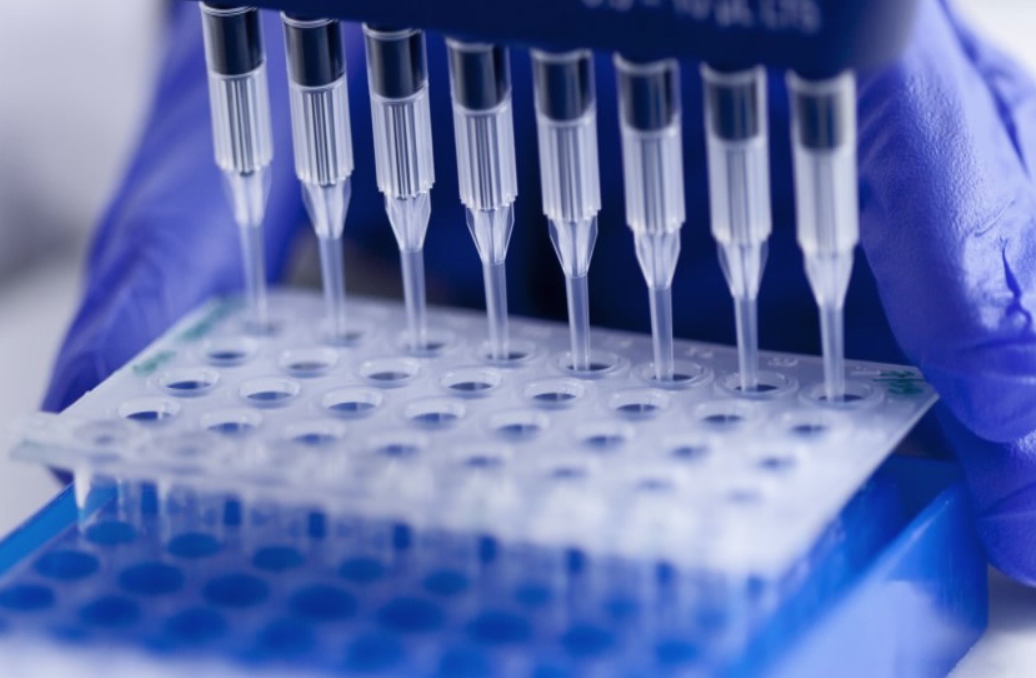
Puretest PCR plates are built to keep their shape and function during robotic handling and thermal cycling.
- Medical-grade material: Plates come from virgin polypropylene so that chemical stability stays high and contamination risk stays low.
- Format flexibility: Choices cover 0.1 mL and 0.2 mL formats, with full-skirted, semi-skirted, and non-skirted designs that match different thermal cyclers.
- Uniform thermal response: Thin, even well walls allow rapid heat transfer and cut well-to-well temperature differences.
- Robotic stability: Rigid skirt structures help stop plate warping, gripper mistakes, and weak contact with the thermal block.
- Screening application: These plates suit automated 384-well compound screening, target validation, and high-throughput qPCR work.
Ultra-Clear PCR Tube Strips with Leak-Proof Optical Caps
Puretest PCR tube strips, obtained through a reliable PCR tube supplier, serve sensitive gene-expression and validation assays.
- Precision molding: 0.1 mL and 0.2 mL 8-strip PCR tubes give consistent fit and sealing behavior.
- Optical clarity: Clear flat caps permit efficient fluorescence passage for real-time qPCR detection.
- Leak prevention: Tight cap sealing helps keep reaction volume steady during high-temperature denaturation.
- Validation use: Tube strips work well for secondary hit validation and low-to-medium throughput qPCR confirmation.
Advanced Optical qPCR Sealing Films
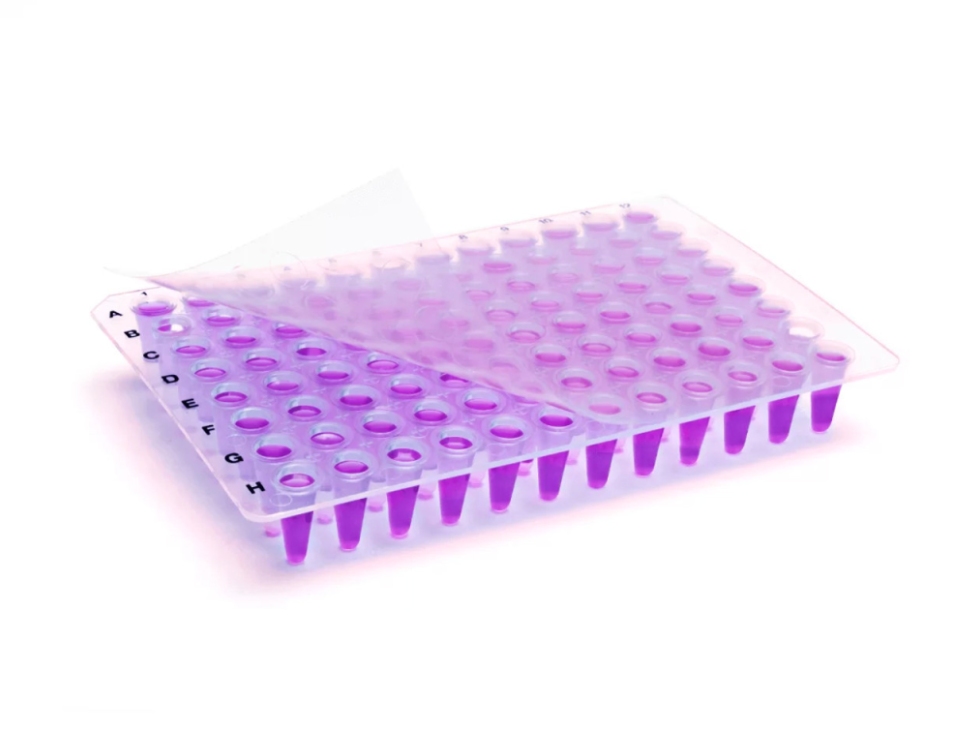
Puretest qPCR consumables and sealing films help guard sample volume, fluorescence accuracy, and contamination control.
- Low-background optics: Ultra-clear adhesive films support strong signal-to-noise performance in real-time PCR.
- Uniform sealing: Pressure-sensitive adhesive helps limit edge-well evaporation and contamination between wells.
- Storage versatility: Aluminum foil options serve applications that need stronger barrier protection or cold storage.
- High-density use: These films prove useful for extended genomic screening campaigns and protection of rare RNA samples.
Strategic Advantages: Reducing R&D Re-Run Costs and Protecting Assay Integrity
Standardizing medical-grade PCR consumables can help biopharmaceutical teams cut reruns, safeguard samples, and raise screening confidence.
Enhancing Data Reproducibility Across Screening Campaigns
Consistent consumables help make certain that results mirror biology rather than variation from the plasticware.
- Lower assay noise: Uniform plates and seals reduce structural outliers that can warp primary screening data.
- Lot consistency: Standardized manufacturing supports steady performance across research campaigns that last many months.
- Faster decisions: Cleaner data lets teams advance more confidently from screening into hit-to-lead optimization.
Protecting Precious High-Cost Reagents and Biological Samples
Reliable consumables help keep materials that are expensive, limited, or irreplaceable.
- Volume retention: Airtight caps and sealing films reduce micro-evaporation in small-volume reactions.
- Reagent savings: Better sealing guards costly master mixes, enzymes, probes, and cDNA samples.
- Baseline purity: Through strict contamination prevention steps that control DNase, RNase, human DNA, and pyrogen levels during manufacturing, we support sensitive molecular assays.
Conclusion & Puretest Solution Integration
In modern drug discovery, every week saved in early screening can lower overhead costs and preserve valuable development time. Moving to precision-engineered PCR consumables offers a practical route to lower assay variability, protect sample integrity, and strengthen high-throughput workflow reliability.
As a global PCR consumables manufacturer, leading PCR plate supplier, and experienced OEM/ODM partner, Puretest supplies complete solutions for laboratories that need steady performance in automated and high-throughput settings.
Ready to reduce consumable-driven assay delays? Contact Puretest at sales@biopuretest.com to request OEM/ODM consultation or sample evaluation support.
FAQ
Q: How do minor dimensional tolerances in PCR plates cause failure in automated liquid handling systems?
A: Robotic platforms rely on exact plate dimensions. Warping or footprint variation can produce gripper misalignment, tip crashes, poor block contact, and workflow stops.
Q: Why is thermal wall uniformity critical for quantitative real-time qPCR assays?
A: Uneven wall thickness alters thermal transfer between wells, which can shift amplification efficiency and create artificial Cq differences.
Q: What causes optical crosstalk in high-throughput 384-well qPCR screening?
A: Crosstalk appears when fluorescence from one well enters neighboring wells. Clear optical materials and suitable plate designs help keep signal detection accurate.
Q: How do chemical leachables from plastic labware interfere with enzymatic assays?
A: Trace compounds from lower-quality plastics can inhibit polymerases, change enzyme kinetics, and produce false-positive or false-negative screening results.