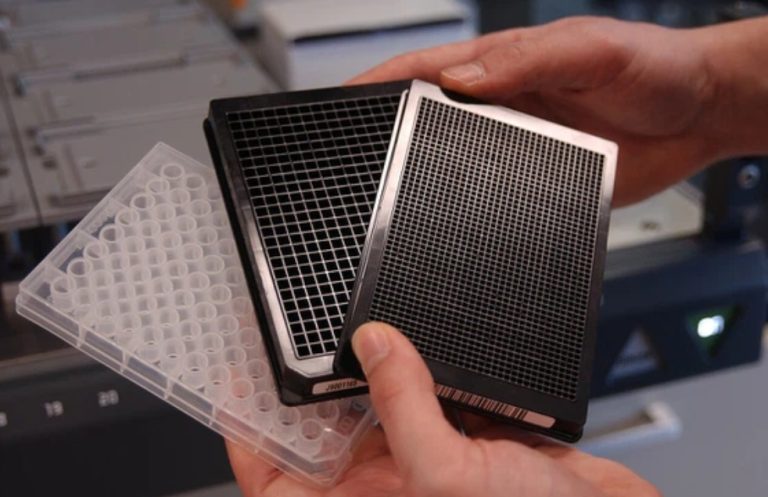
Yes, sealing a PCR plate is an important step in the process. Here’s why it’s necessary:
1. **Prevent Evaporation:** Sealing the plate helps to prevent the evaporation of reagents and samples, which can lead to inaccuracies in your results due to changes in volume and concentration.
2. **Avoid Contamination:** A proper seal reduces the risk of contamination by preventing airborne contaminants from entering the wells.
3. **Ensure Consistency:** Sealing helps to maintain consistent reaction conditions across all wells by keeping the contents isolated.
4. **Reduce Cross-Contamination:** It minimizes the risk of cross-contamination between wells, which is crucial for ensuring accurate results, especially in experiments with multiple samples.
Common methods for sealing PCR plates include:
– **Adhesive Films:** Special adhesive films or seals designed for PCR plates can be applied over the plate to create a secure, airtight seal.
– **Plate Seals:** Rigid or flexible plate seals can be used, which are often heat- or pressure-sensitive to ensure a secure fit.
– **Heat Sealing:** Some systems use heat to seal the plate, creating a tight, permanent seal.
It’s important to apply the seal correctly and check for any bubbles or gaps that could compromise the seal’s effectiveness.